
Flowers
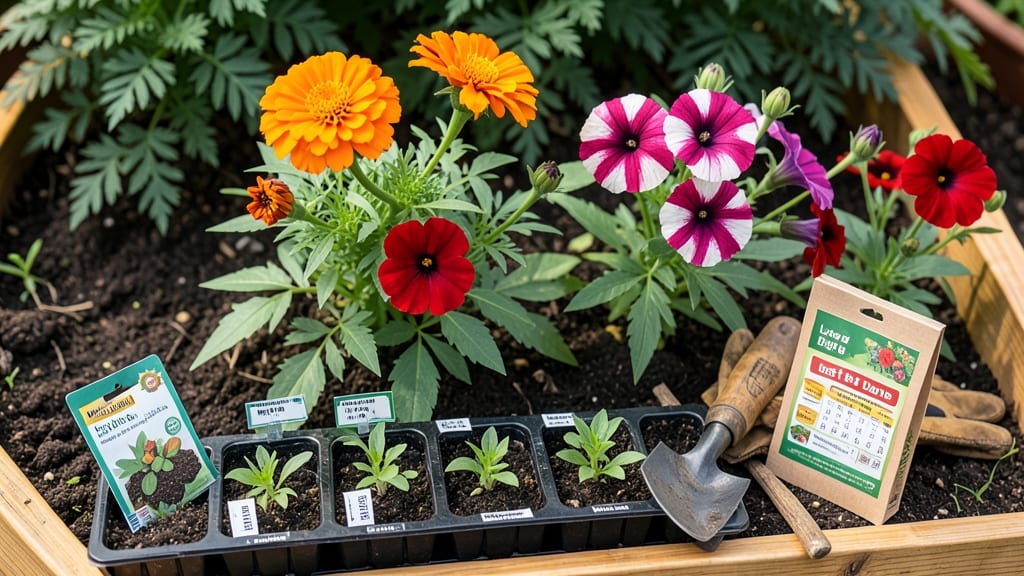
Timing your flower seeds planting in Massachusetts can mean the difference between a garden bursting with 🌸 color and a season of missed blooms. With Zone 5B-6B's unpredictable frosts, knowing exactly when to sow is the key to success—whether you're dreaming of vibrant annuals or hardy perennials.
Most Massachusetts gardeners wait until after the last frost date (typically mid-April) to plant warm-season flowers like marigolds or zinnias, but cool-season varieties like pansies can handle early spring soil.
The challenge? Our 160 frost-free days demand precision—plant too early, and frost will nip your seedlings; too late, and you'll miss peak summer blooms.
I'll break down the exact planting windows for your favorite flowers, from March sowings for cold-hardy types to September starts for fall-blooming varieties. Plus, I'll share pro tips to extend your season using simple tools like frost blankets or cold frames.
Ready to transform your Massachusetts garden into a year-round paradise? Let's dive into the science-backed timing that'll have your flowers thriving from April through October—no guesswork required.
Massachusetts flower seed planting deadlines by last frost date
Massachusetts’ Zone 5B climate means frost can linger until mid-April in most areas, but your last frost date varies by location. Boston typically sees its final frost around April 15th, while inland cities like Worcester and Springfield may wait until May 1st.
These dates separate your cool-season flowers (like pansies) from warm-season bloomers (like zinnias) that need soil temperatures above 60°F.
For cool-season flowers, I start seeds indoors 6-8 weeks before your average last frost date. This means February 15th for Boston and March 15th for Springfield. Direct sowing can begin 2-3 weeks before the last frost—usually late March to early April—when soil temps reach 40°F.
Warm-season flowers like marigolds and sunflowers demand patience. Wait until after May 15th in Boston or after May 25th in Springfield, when soil temperatures consistently stay above 60°F. Planting too early risks rot or stunted growth from lingering cool soil.
Here’s the critical timeline for Massachusetts gardeners to avoid frost damage:
| Planting Window | Flowers to Plant | Soil Temp Requirement | Last Frost Risk |
|---|---|---|---|
| February 15–March 15 | Pansies, Snapdragons, Sweet Alyssum | 40–50°F (Indoors) | High (Frost likely) |
| March 20–April 15 | Calendula, Lettuce Flowers, Violas | 45–55°F (Outdoors) | Moderate (Check forecasts) |
| May 15–June 15 | Zinnias, Marigolds, Sunflowers | 60°F+ (Warm soil) | Low (Frost-free) |
| August 1–September 15 | Cosmos, Bachelor’s Buttons, Nasturtiums | 55°F+ (Cool-tolerant) | Moderate (Early frost risk) |
Use these deadlines as your garden’s GPS. For example, cosmos seeds sown in late August will bloom before the first frost in October, giving you late-summer color. Meanwhile, zinnias planted in June will thrive all summer long.
Pro tip: Bookmark the National Weather Service’s frost prediction tool for real-time updates. A late frost in May might delay your warm-season flowers by 2 weeks—adjust your schedule accordingly.
For perennials like coneflowers, sow seeds in late summer (August) to establish roots before winter. They’ll reward you with bold blooms next spring without competing with annuals for space.
Always test your soil temperature with a soil thermometer—it’s the most accurate way to confirm readiness. Cold soil can stall germination for weeks, even with the right timing.
If you’re in a microclimate (like a south-facing slope), you might plant 2 weeks earlier than the average. But if your garden sits in a low-lying area, add 1-2 weeks to your frost buffer.
Remember: Frost dates shift yearly. Use a 3-year average for your location to plan safely. For example, Boston’s last frost has ranged from April 5th to May 1st in recent decades.
Best flowers to plant by month in Massachusetts gardens
Massachusetts’ unpredictable spring and variable summers mean your flower choices should shift monthly. Early bloomers like pansies and snapdragons thrive in cool March-April soil, while zinnias and marigolds demand warm June-July temperatures to flourish.
Let’s break down the best flowers to plant each month for continuous color from spring to frost.
For March planting, focus on cold-hardy annuals that tolerate light frosts. Sweet alyssum and stock flowers germinate well in 40-50°F soil, while hardy perennials like lupines can be sown under frost blankets. These early bloomers will reward you with spring color when little else is in bloom.
By April, soil temperatures rise, and you can expand to cool-season workhorses like calendula and nasturtiums. These thrive in 50-60°F soil and produce blooms just in time for Mother’s Day. Don’t forget biennials like foxgloves, which need April sowing to establish roots before summer heat.
Here’s your month-by-month planting guide for maximum blooms with minimal frost risk:
- 🌼 Pansies – Thrives in 35-50°F soil, blooms until frost.
- 🌷 Snapdragons – Cold-tolerant; sow under cloches for extra protection.
- 🌿 Sweet Alyssum – Fast-growing; attracts pollinators early.
- 🌹 Stock Flowers – Fragrant blooms; needs well-draining soil.
- 🌻 Calendula – Edible petals; disease-resistant.
- 🌿 Nasturtiums – Pest-repellent; tolerates poor soil.
- 🌸 Foxgloves – Biennial; sow April-May for next year’s blooms.
- 🌺 Sweet Peas – Needs trellis support; fragrant climber.
- 🌻 Zinnias – Heat-loving; attracts butterflies.
- 🌼 Marigolds – Pest-deterrent; thrives in full sun.
- 🌺 Cosmos – Drought-tolerant; self-seeds easily.
- 🌸 Sunflowers – Giant varieties need deep soil.
- 🌼 Pansies – Fall-blooming variety for late-season color.
- 🌷 Snapdragons – Cold-hardy; sows for spring blooms.
- 🌿 Kale (Ornamental) – Edible winter interest.
- 🌹 Stock Flowers – Fragrant blooms before frost.
Pro tip: Succession plant zinnias and marigolds every 2-3 weeks in June-July to ensure non-stop blooms until frost. This technique works wonders in Massachusetts’ short summer, keeping your garden vibrant longer.
For perennials, like coneflowers or black-eyed Susans, sow seeds in late summer (August) for stronger root systems before winter. These hardy natives will reward you with years of low-maintenance blooms.
Remember, soil temperature matters more than calendar dates. Use a soil thermometer to confirm 60°F+ for warm-season flowers—this is your green light to plant zinnias or sunflowers without frost risk. Happy planting! 🌸