
Flowers
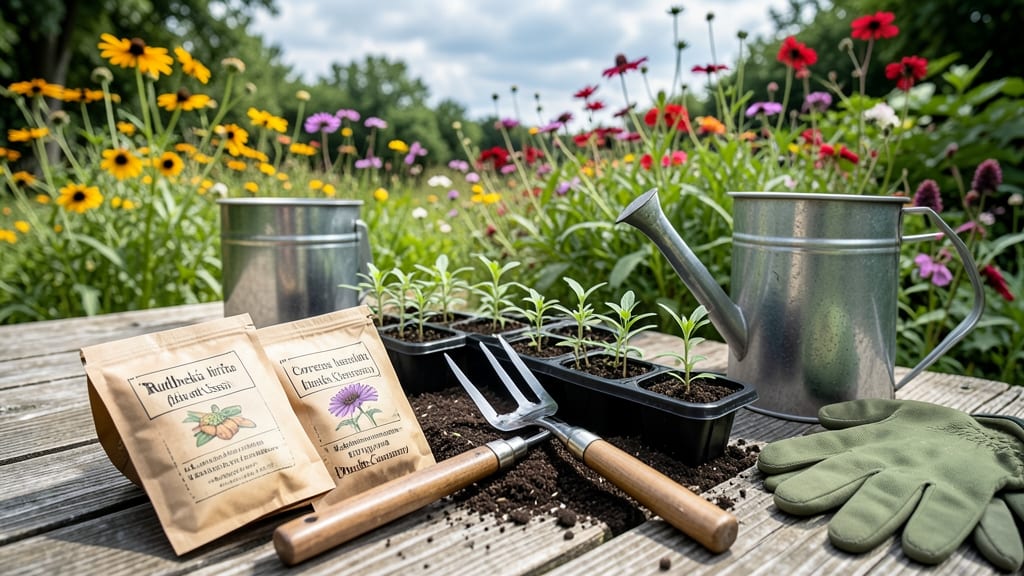
Timing your flower seed planting in Tennessee can mean the difference between a garden bursting with color and one that never makes it past the frost.
With USDA zones 6a-7b and microclimates ranging from mountain valleys to river plains, getting those seeds in the ground at just the right moment is everything.
You might assume all flowers follow the same schedule, but zinnias thrive in summer heat while pansies need cooler spring air—and planting them wrong could ruin your whole season.
That’s why knowing your last frost date (which varies from March 15 in southern TN to April in the mountains) is the first step to success.
In this guide, I’ll break down the exact planting windows for Tennessee’s most popular flowers, whether you’re starting seeds indoors or sowing directly outside. No more guesswork—just zone-specific advice to help your 🌸 blooms shine all season long.
Ready to turn your garden into a Tennessee showstopper? Let’s get those seeds in the soil at the perfect time—because a little planning now means months of color later.
Tennessee planting zones & frost-free deadlines by month
Tennessee spans USDA Zones 6b through 8a, meaning your last frost date can vary by 6+ weeks depending on location. East Tennessee’s Appalachian highlands (Zone 6b) often see frost until mid-April, while West Tennessee’s humid river valleys (Zone 7b) may be frost-free by mid-March.
Middle Tennessee falls in between, typically late March to early April.
For accurate timing, check your local frost dates—the National Weather Service provides county-specific averages. First frost usually arrives in October or November, with higher elevations freezing earlier. This means fall planting for cool-season flowers (like pansies) can start as early as August in southern zones.
Here’s how to align your planting with Tennessee’s three key regions:
| Region | USDA Zone | Last Frost Date | Spring Planting Window | Fall Planting Window |
|---|---|---|---|---|
| East TN (e.g., Knoxville, Chattanooga) | 6b | Mid-April | April 15–May 15 | August 15–September 15 |
| Middle TN (e.g., Nashville, Murfreesboro) | 7a | Late March–Early April | March 30–April 30 | August 1–September 10 |
| West TN (e.g., Memphis, Jackson) | 7b–8a | Mid-March | March 15–April 15 | July 30–August 30 |
*Adjust for microclimates: Urban areas warm faster than rural zones. South-facing slopes thaw earlier.
For annual flowers, aim to plant seeds 2–4 weeks before your last frost date. Perennials (like coneflowers) can handle cooler soil, so late winter or early spring works. Biennials (e.g., foxgloves) need fall planting to establish roots before winter.
Tennessee’s summer heat (especially in Zones 7b–8a) means heat-loving flowers like zinnias and sunflowers should go in after Memorial Day. Start these indoors 6–8 weeks before transplanting to avoid stunted growth from late spring frosts.
Pro tip: Use row covers to extend your spring planting window by 2–3 weeks in cooler zones. Remove covers once plants are 2–3 inches tall to prevent overheating.
Remember, soil temperature matters too! Most flower seeds need soil at 60–70°F to germinate. Use a soil thermometer—cold soil in Zone 6b can delay germination by weeks.
Urban gardeners in cities like Nashville or Chattanooga may experience microclimates where sidewalks or buildings create warmer pockets. Test your spot: If it’s 5–10°F warmer than nearby areas, you can plant 1–2 weeks earlier.
For container gardening, adjust timelines by 1–2 weeks later—pots heat up faster and dry out quicker. Potted flowers also face higher frost risk since they’re exposed on all sides.
🌱
Best flower seed varieties to plant by season in Tennessee
Tennessee’s diverse microclimates mean some flowers thrive in cool spring months, while others need warm summer heat to sprout. I’ve curated the top-performing varieties for your garden, organized by season to maximize blooms from March through October.
Start with cold-hardy annuals like pansies in early spring, then transition to heat-loving zinnias by June.
For East Tennessee’s cooler zones (6b-7a), prioritize slow-to-germinate seeds like snapdragons and delphiniums, which need 60-90 days to bloom.
In Middle and West Tennessee (7b-8a), you can push the envelope with tropical-looking cannas and dahlias, planting them as early as April 15 for a summer-long show. Always check your last frost date—it’s your green light to start sowing outdoors.
🌱 Top Tennessee Flower Seeds by Season
- 🌸 Early Spring (Feb-March): Pansies, Snapdragons, Sweet Alyssum (60-75 days to bloom)
- ☀️ Late Spring (April-May): Zinnias, Sunflowers, Cosmos (50-60 days to bloom)
- 🌿 Summer (June-July): Marigolds, Petunias, Black-Eyed Susans (45-55 days to bloom)
- 🍂 Fall (Aug-Sept): Aster, Goldenrod, Calendula (60-70 days to bloom)
💡 Pro Tip: Use succession planting for zinnias—sow every 2 weeks from May to July for non-stop blooms!
Native Tennessee wildflowers like coneflowers and black-eyed Susans are drought-tolerant and perfect for low-maintenance gardens. Plant their seeds 1/4 inch deep after your last frost date, and they’ll reward you with months of color with minimal care.
For container gardens, choose petunias or marigolds—they thrive in small spaces and repel pests naturally.
If you love fragrant flowers, lavender and garden phlox are must-plants. Lavender needs full sun and well-draining soil, while phlox tolerates partial shade.
Sow lavender seeds indoors in February and transplant after May 1; phlox seeds can go directly in the ground by March 15 in most of Tennessee.
For late-season color, don’t overlook asters and goldenrod. These fall-blooming beauties need 60-70 days to mature, so start them indoors in July or sow directly in August for autumn splendor. They’re also pollinator magnets, attracting bees and butterflies until first frost.
Remember: Soil temperature matters. Most flower seeds need soil at 60°F or warmer to germinate. Use a soil thermometer to check—if it’s below 55°F, wait a few days or start seeds indoors under grow lights.
With the right timing, your Tennessee garden can burst with color from early spring to late fall!