
Flowers
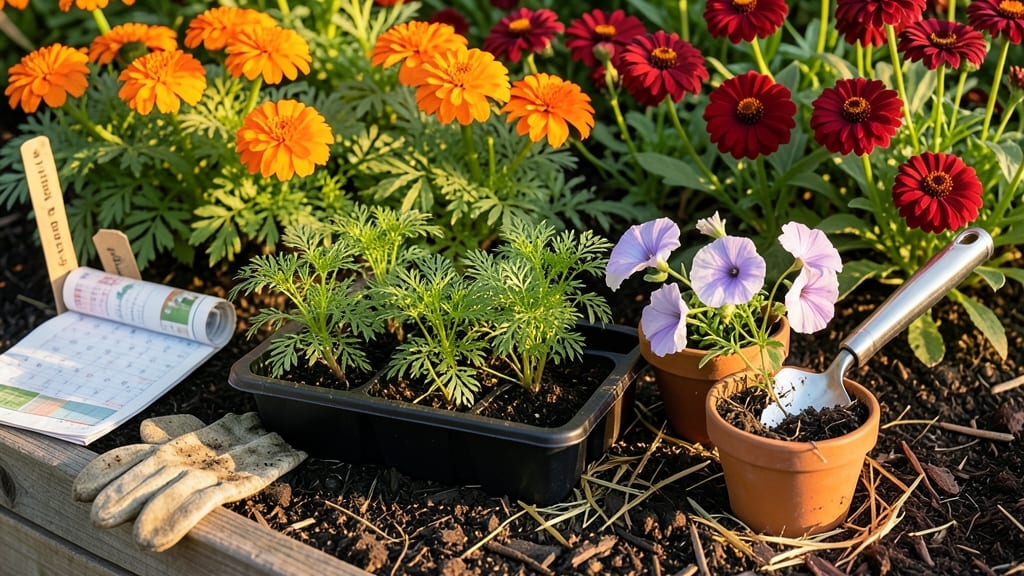
Timing when to plant flower seeds in Illinois perfectly means the difference between a garden bursting with color and one that fizzles out before summer. With USDA zones 5b-6b bringing unpredictable frosts, getting the schedule wrong can leave your 🌸 dreams wilting before they even bloom.
You don’t need a degree in meteorology to nail the right window—just a few key dates and soil-temperature tricks.
Whether you’re starting seeds indoors or sowing directly, missing the March 15 to May 15 spring window or the August 1 to September 15 fall slot could mean fewer blooms and more frustration. Let’s break down the exact moments to plant for maximum impact.
Most gardeners assume “spring planting” means dumping seeds in the ground as soon as the weather warms—but that’s a recipe for frost damage. The secret? Waiting until after your last average frost date (usually around April 15 in Illinois) and when soil hits 50°F.
I’ll show you how to adjust for your specific corner of the state, whether you’re in chilly northern Illinois or warmer southern regions.
Ready to transform your yard into a nonstop floral show? We’ll cover everything from zone-specific deadlines to the best flowers for late starts, so you can enjoy blooms from April through October—without the guesswork. Let’s get those seeds in the ground the right way.
Illinois planting zones: when to start flower seeds indoors vs. outdoors
Illinois spans USDA Zones 5b to 6b, meaning last frost dates vary dramatically from north to south. Northern Illinois (Zone 5b) typically sees frost until May 15, while southern Illinois (Zone 6b) warms up by April 15.
Understanding your zone ensures you plant flower seeds at the perfect time—whether indoors or directly outdoors.
For northern Illinois gardeners, start cool-season flowers like pansies and snapdragons indoors by March 1 to transplant after frost. Southern Illinois gardeners can wait until late March for similar results. Warm-season flowers like marigolds and zinnias should only go outdoors after May 15 in northern areas.
Here’s how to align your planting with Illinois’ microclimates:
| Zone | Last Frost | Indoor Start | Outdoor Planting | Notes |
|---|---|---|---|---|
| 5b (Northern IL) | May 15 | March 1 | May 20 | Use row covers for early starts |
| 6a (Central IL) | April 30 | March 15 | April 25 | Soil warms faster; plant earlier |
| 6b (Southern IL) | April 15 | Late March | April 10 | Longer growing season; extend fall planting |
If you’re unsure about your exact frost date, check the National Weather Service or use a frost calendar for your county. For example, Chicago (Zone 5b) averages frost until May 10, while St. Louis (Zone 6b) typically sees its last frost by April 15.
Adjust your planting schedule accordingly.
For direct outdoor sowing, wait until soil temperatures reach 50°F (10°C)—a must for warm-season flowers like sunflowers and cosmos. Use a soil thermometer to check. In cooler zones, opt for slow-germinating seeds like lupines or delphiniums for earlier starts.
Pro tip: Northern Illinois gardeners can extend their season by starting heat-loving flowers indoors in late February (e.g., petunias and geraniums) and transplanting after frost. Southern Illinois gardeners can push fall planting until September 15 for late bloomers like cosmos and snapdragons.
Always account for microclimates in your area—sheltered spots may warm up 1-2 weeks earlier than open fields. For example, a south-facing garden bed in Zone 5b might be safe for planting by May 1, while a north-facing area may need to wait until May 15.
Remember: Cold-hardy annuals like calendulas and sweet alyssum can handle light frost, while tender perennials like black-eyed Susans need warmer soil. Always read seed packets for specific heat requirements—some flowers (like marigolds) thrive in hotter soil.
By aligning your planting with Illinois’ frost-free timeline, you’ll enjoy continuous blooms from May to October. Start early, stay flexible, and your garden will reward you with vibrant color all season long.
Best flowers to plant by month in Illinois: a seasonal guide
Illinois gardeners know that seasonal timing determines whether your flower seeds thrive or fizzle. The last frost date (typically April 15) and first frost (around October 15) bookend your planting windows.
But not all flowers play by the same rules—some love cool spring soil, while others beg for summer heat. Here’s my month-by-month guide to planting annuals and perennials for nonstop color.
Start with cool-season flowers like pansies and snapdragons in March—they’ll handle light frosts and bloom early. By April, add calendulas and sweet peas when soil warms to 50°F (10°C).
These tough bloomers tolerate late frosts better than most. Pro tip: Use row covers if nights dip below 32°F (0°C).
- March: Pansies, Violas, Sweet Alyssum (direct sow after March 15)
- April: Calendulas, Sweet Peas, Larkspur (start indoors Feb 15)
- May: Marigolds, Zinnias, Sunflowers (after last frost, May 1)
- June: Cosmos, Black-Eyed Susans, Dahlias (heat-lovers for late blooms)
- August: Snapdragons, Stock (for fall color before frost)
- September: Pansies, Sweet Peas (cool-season second act)
For summer-blooming powerhouses like zinnias and sunflowers, wait until May 1—after the last frost—when soil is warm and dry. These heat-tolerant varieties reward patience with bold blooms from June through September.
If you’re in southern Illinois (Zone 6b), you can push starts to late April.
Don’t overlook fall planting! Cosmos and snapdragons thrive when sown in August—they’ll bloom until first frost in October. These cool-season champions handle fall’s shorter days better than spring starters. Just keep seeds moist until germination, which takes 7–14 days in warm soil.
For perennials like coneflowers and black-eyed Susans, plant seeds in late summer (August–September) for stronger root systems before winter. These low-maintenance bloomers return year after year, but they need 6+ hours of sun and well-draining soil to shine. Mulch after planting to protect roots from freeze-thaw cycles.
Remember: Soil temperature matters more than air temperature. Use a soil thermometer—seeds need 60–70°F (15–21°C) for most annuals. If your garden soil is still chilly in May, start seeds indoors under grow lights for a 2–3 week head start.