
Flowers
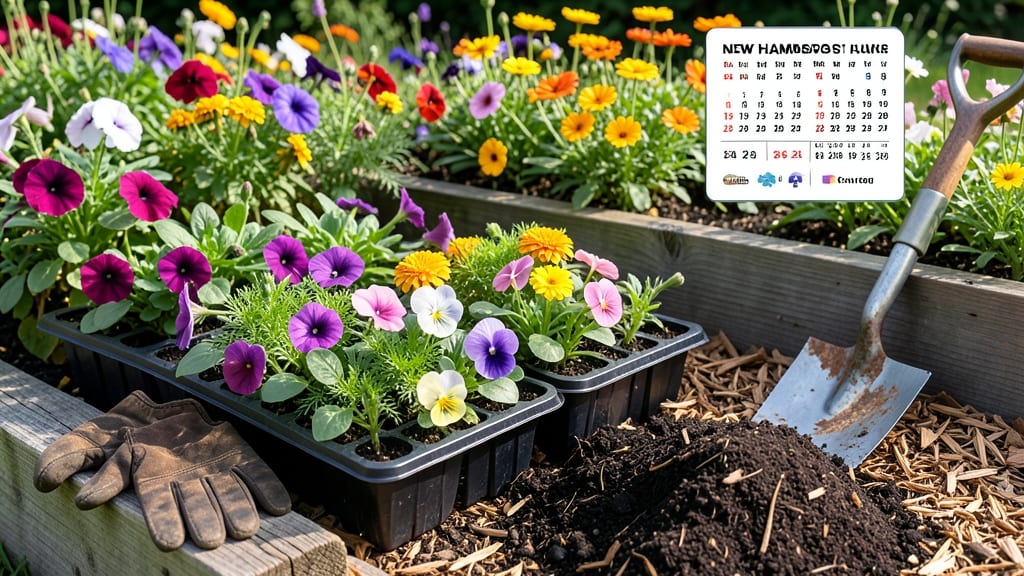
Timing your flowers planting in New Hampshire isn’t just about following a calendar—it’s about outsmarting the 5a-6b zone’s unpredictable frosts. One wrong move, and your 🌸 could end up as a sad, frost-nipped statistic.
But here’s the good news: with the right window, you can turn your garden into a vibrant showstopper.
Most gardeners in New Hampshire know spring and fall are the sweet spots, but the exact dates matter. Plant too early, and frost will kiss your blooms goodbye. Too late, and you’ll miss peak growing season.
I’ll break down the science-backed windows—April 15–May 15 for spring and August 15–September 15 for fall—so you can avoid costly mistakes and maximize your garden’s potential.
What you’ll discover isn’t just when to plant—it’s how to prepare your soil, choose the right varieties for your microclimate, and even protect delicate blooms from late frosts. Whether you’re a seasoned gardener or a first-timer, these insights will help you grow more flowers with less guesswork.
Ready to transform your NH garden into a year-round paradise? Let’s get started with the exact timing and tips you need to make every season count.
New Hampshire frost dates by Zone: exact timing for annual vs perennial flowers
New Hampshire’s USDA Zones 3-5 create a unique challenge for gardeners—late spring frosts can strike as late as May 15, while fall frosts may arrive by October 15. Timing your flower planting correctly means the difference between a vibrant garden and a frost-killed disappointment.
Most of NH falls within Zone 4b-5a, but coastal areas (like Portsmouth) enjoy slightly milder Zone 5b conditions. Inland regions, such as the White Mountains, experience Zone 3-4, with earlier frost dates.
Knowing your last average frost date is critical—it determines when to plant warm-season annuals like zinnias or marigolds.
For perennials, timing matters too. Planting in early spring (March-April) gives roots time to establish before summer heat, while fall planting (August-September) takes advantage of cooler soil temperatures. Below, I’ve broken down the exact frost dates by zone and flower type to help you plan with confidence.
🌱 NH Frost Dates & Planting Windows by Zone
| Zone | Last Frost Date | First Frost Date | Best Time to Plant Annuals | Best Time to Plant Perennials |
|---|---|---|---|---|
| Zone 3 (White Mountains) | May 10–15 | September 20–25 | After May 20 (use row covers) | Early May or late August |
| Zone 4b (Laconia, Concord) | May 1–10 | October 5–10 | After May 15 (hardy annuals only) | Early May or mid-August |
| Zone 5a (Portsmouth, Nashua) | April 25–May 5 | October 15–20 | After May 1 (most annuals) | Early April or late August |
| Zone 5b (Coastal NH) | April 15–25 | October 25–30 | After April 30 (earliest in NH!) | Early April or September |
⚠️ Pro Tip: Check your local microclimate—valleys frost earlier than hillsides, and bodies of water can delay frost by 1-2 weeks.
Annual flowers like petunias and geraniums thrive when planted 2-3 weeks after your last frost date. This gives the soil time to warm to at least 50°F (10°C), preventing cold-sensitive roots from shock.
For perennials, like coneflowers or black-eyed Susans, early spring planting (March-April) ensures roots establish before summer heat.
If you’re unsure about your last frost date, use the NH Agricultural Experiment Station’s frost calculator or ask local garden centers—they track real-time data. I’ve planted zinnias in early May for years, and they always reward me with bold summer blooms by July.
For fall planting, aim for 6-8 weeks before your first frost. This gives seeds or transplants time to root before winter dormancy. Pansies and snapdragons are excellent choices—they tolerate light frosts and bloom beautifully in cool weather.
Remember: Soil temperature matters more than air temperature. Use a soil thermometer to confirm it’s at least 50°F (10°C) before planting warm-season flowers. Cold soil can stunt growth or even kill young plants.
In Zone 3 areas, consider starting annuals indoors in March. Transplant them outdoors after the last frost, giving them a 4-6 week head start on the season. This trick has saved my marigolds from late frosts more times than I can count!
For bulbs, like tulips or daffodils, plant in fall (October)—they need cold stratification to bloom the following spring. In milder Zone 5b areas, you can plant bulbs as late as November, but earlier is always better.
🌸 Don’t let NH’s unpredictable weather ruin your gardening dreams—plan ahead, check local frost dates, and your flower garden will thrive year after year!
Best flowers to plant in NH by season: cool vs warm-weather varieties
New Hampshire’s short growing season demands smart flower choices—cool-season blooms thrive in spring and fall, while warm-season varieties need summer’s heat. I’ve curated the hardiest options for NH’s USDA Zones 4b-6a, ensuring vibrant blooms from May through October. Let’s dive into the best picks for each season!
For cool-season flowers, start planting in early April (after frost risk passes) or late August for fall blooms. These varieties handle NH’s chilly springs and early autumn frosts like champions. Pansies, snapdragons, and calendula are top performers, often blooming until first frost in October.
- Pansies: April & August | Tolerates 28°F | 6-12" tall
- Snapdragons: April & August | 32°F tolerance | 12-36" tall
- Calendula: April & August | Edible petals | 12-24" tall
- Sweet Alyssum: April & August | Honeybee magnet | 6-12" tall
- Stock (Matthiola): April & August | Fragrant blooms | 12-24" tall
Warm-season flowers need consistent warmth (after May 15 in most of NH) to thrive. Zinnias, sunflowers, and cosmos are my go-to choices—they bloom nonstop until frost and attract pollinators. For extended color, plant heat-tolerant marigolds (they handle 90°F+ better than most!).
- Zinnias: After May 15 | Drought-resistant | 12-36" tall
- Sunflowers: Late May | Bird-friendly | 3-12 ft tall
- Cosmos: After frost | Self-seeds | 2-4 ft tall
- Marigolds: May 1-June 15 | Pest-repellent | 12-24" tall
- Lantana: Late May | Butterfly magnet | 12-36" tall
Pro tip: Use succession planting for warm-season flowers! Sow zinnias or cosmos every 2 weeks from June to August to ensure continuous blooms until first frost. This works especially well in NH’s short summer, where 3-4 weeks of heat can make a big difference.
Don’t overlook perennials like coneflowers, black-eyed Susans, and daylilies—they return year after year with minimal effort. Plant them in spring (April-May) for summer-long color, and they’ll reward you with low-maintenance beauty for decades.
For coastal NH (like Portsmouth), plant 1-2 weeks earlier than inland areas—warmer microclimates near the ocean mean fewer frost risks in spring. Always check your local frost dates (they can vary by 10+ days across the state!) before breaking out the trowel.