
Flowers
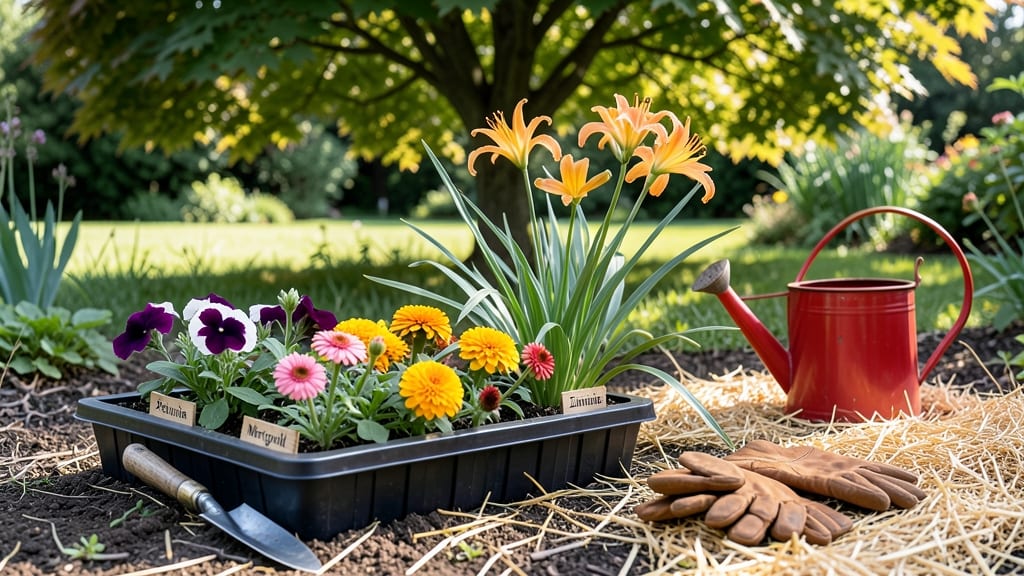
Timing your flowers planting in Vermont isn't just about following a calendar—it's about outsmarting those sneaky late frosts that can turn your garden dreams into a sad, half-bloomed mess.
With USDA zones 4b-6a and frost dates that shift yearly, knowing the exact windows for spring and fall planting could mean the difference between a showstopping 🌸 display and wasted effort.
I’ve spent years watching Vermont gardens struggle—and thrive—based on simple timing tweaks. Whether you’re a first-time gardener or a seasoned pro, the key lies in understanding your local frost patterns and adjusting planting dates accordingly.
No more guessing games: this guide will give you the precise frost-date calculator method to ensure your flowers take root when the soil is warm enough and the air stays cooperative.
From hardy perennials that bounce back after winter to delicate annuals that need perfect timing, we’ll break down the best month-by-month schedule for Vermont’s climate.
Plus, I’ll share my top tips for preparing soil, choosing native varieties that handle our short growing season, and using protective tricks like cloches to give your plants a fighting chance against unpredictable weather.
Ready to transform your garden into a year-round paradise? Let’s dive into the science—and secrets—of planting flowers in Vermont the smart way, so you can enjoy blooms from spring to fall without the stress.
Vermont’s frost dates by region: when to plant flowers for guaranteed success
Vermont’s hardiness zones 3-5 and unpredictable frost dates make timing everything for vibrant blooms. The last average frost typically arrives between April 15 and May 1, but microclimates (like valleys vs. hills) can shift this by weeks.
In Burlington, for example, frost lingers until May 10, while Montpelier often sees its last frost by April 25.
For annual flowers like petunias and marigolds, wait until two weeks after your region’s last frost to avoid frost damage. Perennials, such as coneflowers or black-eyed Susans, can handle earlier planting (as early as late April), since they’re hardier.
The key? Know your zone and adjust for elevation—higher areas frost later.
Here’s how Vermont’s three key regions break down for planting:
| Region | Last Frost Date | First Frost Date | Best Planting Window (Annuals) | Best Planting Window (Perennials) | Frost-Proofing Tip |
|---|---|---|---|---|---|
| Burlington (Zone 4b) | May 10 | October 5 | May 15–June 1 | April 20–May 10 | Use row covers for early bloomers. |
| Rutland (Zone 5a) | April 28 | October 10 | May 1–May 15 | April 15–April 30 | Plant cold-hardy flowers (e.g., pansies). |
| Montpelier (Zone 4a) | April 25 | October 8 | May 10–May 25 | April 10–April 20 | Extend season with cloches or mulch. |
Even with these general guidelines, Vermont’s late-spring frosts can still sneak in. To hedge your bets, opt for native flowers like bee balm or wild columbine, which thrive in Vermont’s cool, moist climate. These varieties are frost-tolerant and often bloom earlier than non-natives.
For fall planting (August–September), aim for 6–8 weeks before your region’s first frost. This gives seeds or transplants time to establish roots before winter sets in. Marigolds and cosmos are excellent choices—they handle cooler temps better than tropical annuals like impatiens.
Pro tip: Check the UVM Extension’s frost date maps annually, as climate change is shifting Vermont’s frost patterns. A 5–7 day delay in last frost isn’t uncommon now compared to decades past. Adjust your planting calendar accordingly!
Remember, soil temperature matters just as much as air temperature. Use a soil thermometer—ideal planting temps for most flowers hover around 60–65°F. In Vermont’s chilly springs, this might mean waiting until late May in northern zones before planting heat-loving geraniums or salvias.
By aligning your planting with local frost dates and microclimate factors, you’ll transform Vermont’s short growing season into a long, colorful bloom bonanza. 🌸
How to use a frost-date calculator for zero-risk flower planting in Vermont
Vermont’s unpredictable frost dates can make planting flowers feel like a guessing game. But with the right frost-date calculator, you can pinpoint the perfect planting window for your annuals and perennials—no more frost damage or wasted seeds!
These tools factor in your USDA hardiness zone (3-5 for Vermont), local microclimates, and even elevation differences.
Start by identifying your specific Vermont region. Burlington’s last frost typically lands around May 1, while Rutland and Montpelier average April 25. Use the National Gardening Association’s Frost Calculator (free online) to input your zip code.
This tool generates a customized frost date based on historical data, giving you a 10-day planting window after the last frost.
Here’s how to maximize accuracy with your calculator:
Don’t forget to account for microclimates—south-facing slopes warm up faster than shady valleys. If you’re near a lake or river, like in Burlington, expect 2–3 warmer days than inland areas. For extra safety, use row covers or cloches to extend your planting window by 2–3 weeks.
Once you’ve nailed down your frost-free window, adjust for flower type. Annuals like petunias need warm soil (wait until May 15 in most of Vermont), while perennials like black-eyed Susans can handle cooler soil and should go in by late April.
Always test soil temperature—it should be at least 50°F for most flowers.
With your calculator-verified dates in hand, you’re ready to plant with confidence. Next, we’ll dive into the best Vermont flowers to plant by month, plus frost-proofing tips to keep your blooms thriving all season long. 🌸