
Flowers
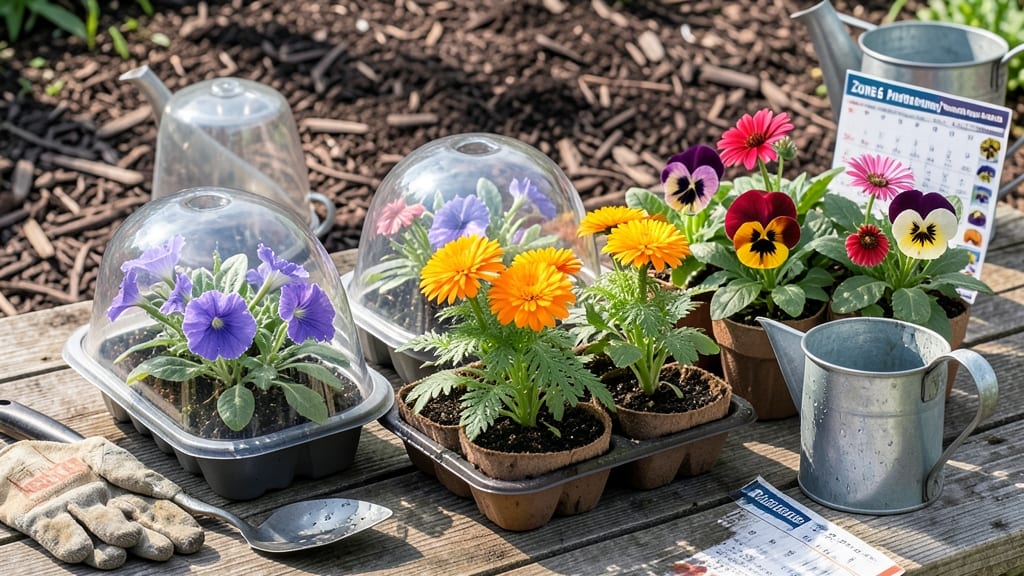
When to plant flowers in Zone 6 just right can mean the difference between a showstopping garden and a sad, frost-nipped disappointment. I’ve learned the hard way—planting too early risks losing tender blooms to late frosts, while waiting too long might leave you with sparse summer color. The secret lies in knowing exactly when to tuck bulbs into the soil, when to sow seeds, and how to adjust for your local microclimate.
Whether you’re dreaming of 🌸 marigolds brightening your patio or perennials like daylilies returning year after year, the right planting window matters. Spring and fall are your two best shots, but the exact dates depend on whether you’re dealing with frost-sensitive annuals or hardy perennials.
Let me break down the precise frost-free timeline so you can plant with confidence—and avoid the common mistakes that waste time and money.
This isn’t just about throwing seeds into the dirt and hoping for the best. I’ll show you how to use your last frost date (typically around April 15 in Zone 6) and first frost (usually October 15) to create a custom schedule.
From bulbs that need fall planting for spring blooms to annuals that thrive when soil hits 60°F, we’ll cover it all—so your garden bursts into color at the perfect moment.
Ready to transform your garden into a year-round spectacle? Let’s dive into the exact planting calendar, seasonal adjustments, and pro tips that’ll keep your flowers thriving from spring through fall—and maybe even winter, if you’re brave enough to try!

Zone 6 planting schedule by flower type: annuals vs perennials vs bulbs
Timing your flower plantings in Zone 6 means balancing frost dates (typically April 15 last frost and October 15 first frost) with each plant's hardiness. The wrong schedule can mean wilted seedlings or missed blooms. Let’s break it down by category so you can plan with confidence.
Annuals are the most time-sensitive group. Cool-season annuals like pansies and snapdragons thrive when planted 4-6 weeks before your last frost—so aim for March 15-April 1. Warm-season annuals (petunias, marigolds) need to wait until after May 15, when soil reaches 60°F consistently.
Perennials offer more flexibility. Spring-blooming varieties like daylilies and peonies can be planted in early spring (March-April) or early fall (September-October). Fall planting gives roots time to establish before winter. Late-summer bloomers like black-eyed Susans can handle June planting with proper watering.
Bulbs are a Zone 6 gardener’s secret weapon. Spring-blooming bulbs (tulips, daffodils) must go in the ground by November 1—they need cold stratification to bloom. Fall-planted bulbs like crocuses and alliums can handle late October plantings if soil isn’t frozen.
| Flower Type | Best Planting Window | Zone 6 Specific Notes | Frost Risk |
|---|---|---|---|
| Cool-Season Annuals | March 15-April 1 | Pansies, snapdragons, sweet alyssum | High if planted too early |
| Warm-Season Annuals | After May 15 | Petunias, marigolds, zinnias | None after last frost |
| Spring-Blooming Perennials | March-April or Sept-Oct | Daylilies, peonies, coneflowers | Low for fall planting |
| Spring-Blooming Bulbs | By November 1 | Tulips, daffodils, hyacinths | Critical—no exceptions |
| Fall-Blooming Perennials | June-July | Black-eyed Susans, asters, sedum | None if established |
For annuals, the Memorial Day rule is a handy shortcut: If you’re planting warm-season varieties after this holiday, you’ve likely missed the optimal window. But don’t despair—succession planting every 2-3 weeks through July keeps your garden blooming until frost.
Perennials planted in fall often outperform spring plantings because they establish roots before winter stress. Divide clumps of overcrowded perennials like daylilies in early fall for bigger blooms next year. Just avoid planting when soil temps drop below 40°F.
Bulbs are the easiest to schedule if you remember: spring blooms = fall planting. Daffodils are the most frost-tolerant and can handle late October plantings, while tulips prefer September for best results. Layer mulch (3-4 inches) over bulbs in late fall to insulate them from freeze-thaw cycles.
Pro tip: Use row covers or cold frames to extend your spring planting window by 2-3 weeks for tender annuals. This lets you plant marigolds or basil flowers as early as April 1 without frost damage. Just remove covers when temps hit 50°F consistently.
How to adjust planting dates for early vs. late Zone 6 frost patterns
Zone 6’s frost dates can shift dramatically depending on your elevation or microclimate. A valley location might see last frost on April 15, while a hilltop could wait until May 1. Always check your local historical frost data—your county extension office has this info for free.
For early frost areas, start warm-season annuals like marigolds and petunias in late May instead of early May. Use row covers or cold frames to protect seedlings until soil warms to 60°F.
In late frost zones, delay planting cool-season crops like pansies until mid-May to avoid late spring frosts. Monitor forecasts—if a 32°F freeze is predicted, cover plants with frost cloth.
🌡️ Zone 6 Frost Adjustment Guide
- 1. Test soil temp with a soil thermometer—wait until 60°F for warm-season plants.
- 2. Use row covers to extend spring planting by 2-3 weeks.
- 3. Plant bulbs 6 weeks before first frost—aim for mid-October in most of Zone 6.
- 4. For late frost zones, wait until Memorial Day for tender annuals.
- 5. Track frost dates via NOAA’s frost maps or local weather apps.
If you’re in a high-elevation area (like the Appalachians), plant warm-season flowers like zinnias and cosmos in early June instead of May. These varieties thrive with longer growing seasons and warmer nights.
For fall planting, aim to get perennials like asters and sedum in the ground 6-8 weeks before first frost. In early frost zones, this means late August; in late zones, you can wait until early October.
Pro tip: Hardened bulbs like tulips and daffodils can handle light frosts after planting, but tender bulbs (like dahlias) need row covers until soil temps stabilize below 50°F at night.