
Flowers
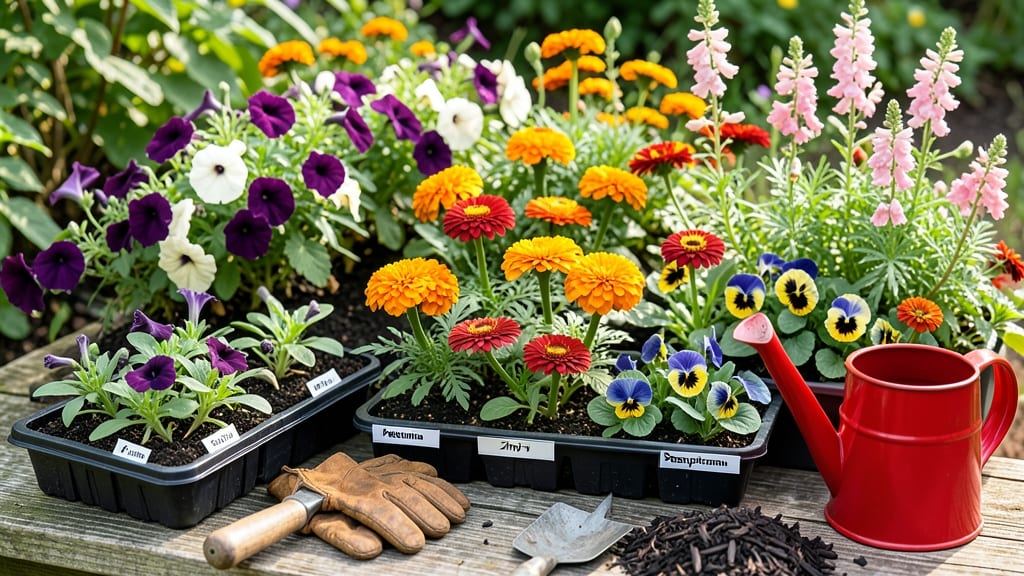
Knowing when to plant flowers in Zone 6b can transform your garden from a patch of dirt to a vibrant canvas of color—but get the timing wrong, and you’ll end up with frost-nipped petals or wilting blooms before they even open.
In Zone 6b, where chilly springs and unpredictable frosts are the norm, planting too early risks damage, while waiting too long might leave your flowers struggling to establish roots before summer heat sets in.
The key is understanding your local frost dates and matching them to each flower type’s needs—whether it’s hardy perennials or delicate annuals.
I’ll break down the exact weeks before last frost to plant everything from cool-loving pansies to sun-hungry zinnias, plus pro tips for fall planting that’ll keep your garden blooming well into autumn. Ready to turn your garden dreams into a reality?
Let’s dive into the perfect planting schedule for Zone 6b, so you can enjoy flowers that thrive from spring to fall without the guesswork.

Zone 6B last frost dates & best planting weeks for annual flowers
In Zone 6B, where last frost dates typically fall between March 15 and April 15, timing your annual flowers correctly ensures vibrant blooms all season.
The average frost-free window spans 165 days, giving you two prime planting periods: early spring (after frost) and early fall (6 weeks before frost).
Cool-season annuals like pansies and snapdragons thrive when planted 4–6 weeks before last frost, while warm-season favorites such as marigolds and petunias need soil temperatures above 60°F (usually late April or early May).
Northern areas of Zone 6B (e.g., Chicago, IL) may experience later frosts, while southern regions (e.g., Nashville, TN) often see earlier warm-ups. Always check your local USDA Plant Hardiness Zone Map and monitor soil temperatures with a soil thermometer to adjust planting dates.
For example, zinnias and cosmos can handle cooler soil, while geraniums and begonias prefer warmer conditions. Adjusting for these nuances prevents stunted growth or frost damage.
Here’s the key: Cool-season annuals (like calendula and stock) should go in late February to early March, while warm-season annuals (like impatiens and sweet alyssum) wait until mid-May or later.
Start seeds indoors 6–8 weeks before transplanting to extend your growing season and maximize blooms. For container gardening, use heat mats to warm soil faster if frost lingers.
🌱
For container gardening in Zone 6B, use black pots to absorb heat and extend the growing season. Place containers near south-facing walls to trap warmth, and group plants with similar water needs to simplify care.
For example, petunias and geraniums thrive in the same sunny spot but require different watering frequencies—petunias need daily watering in summer, while geraniums tolerate every other day.
Pro tip: Use a frost cloth to protect tender annuals if late frosts threaten. Lay it over plants in the evening and remove it during the day to allow sunlight. This trick buys you 2–3 extra weeks of growing time for warm-season annuals like sunflowers or portulaca.
Always remove the cloth by midday to prevent heat stress from trapped warmth.
If you’re unsure about your local frost dates, sign up for free alerts from your local Cooperative Extension Service or use apps like Frost Date Finder. These tools provide hyper-localized data that accounts for microclimates, like urban heat islands or valley frosts.
For instance, a garden in Indianapolis, IN might see frosts 2 weeks later than one in Cincinnati, OH, despite both being in Zone 6B.
Perennials & bulbs: when to plant for year-round color in Zone 6B
In Zone 6B, perennials and bulbs are the secret to low-maintenance color that returns year after year. Unlike annuals, these plants establish strong roots, making them resilient to Zone 6B’s unpredictable frosts and heatwaves. The key?
Planting at the right time to ensure spring blooms, summer vigor, and fall hardiness. For perennials like coneflowers and black-eyed Susans, early spring or early fall is ideal, while bulbs like daffodils and tulips thrive when planted in fall to naturalize and bloom early.
Timing matters most for bulbs—plant them 6-8 weeks before the first frost (typically mid-September to early October in Zone 6B). This gives roots time to anchor before winter, preventing frost heave and ensuring vibrant spring blooms.
For perennials, early spring (March-April) lets them establish before summer heat, while early fall (September) extends their growing season and strengthens roots for winter.
Here’s my pro tip: Use mulch (2-3 inches of straw or shredded leaves) after planting perennials in fall. It insulates roots from freeze-thaw cycles, which can damage tender growth. For bulbs, avoid overwatering after planting—they need moderate moisture but can’t tolerate soggy soil.
For bulbs, choose varieties that thrive in Zone 6B’s climate. Daffodils and alliums are frost-resistant and deter pests, while tulips (especially early-blooming varieties like Darwin Hybrids) handle Zone 6B’s swings better than late-bloomers.
Plant bulbs 3x as deep as their diameter—deeper means fewer voles will dig them up!
Don’t overlook fall-blooming perennials like asters or sedum. These extend your season and add autumn color when many gardens fade. Plant them in late summer (August) for roots to establish before winter. Pair them with ornamental grasses for texture and movement in late-season gardens.
Zone 6B’s microclimates can vary drastically—even within your yard. Notice where frost lingers longer (like low spots) or where heat builds up (south-facing walls). Adjust planting times accordingly: Move tender perennials to warmer microclimates in spring, or protect bulbs in cold pockets with extra mulch.
With these strategies, your garden will bloom earlier, longer, and with less effort every year.