
Flowers
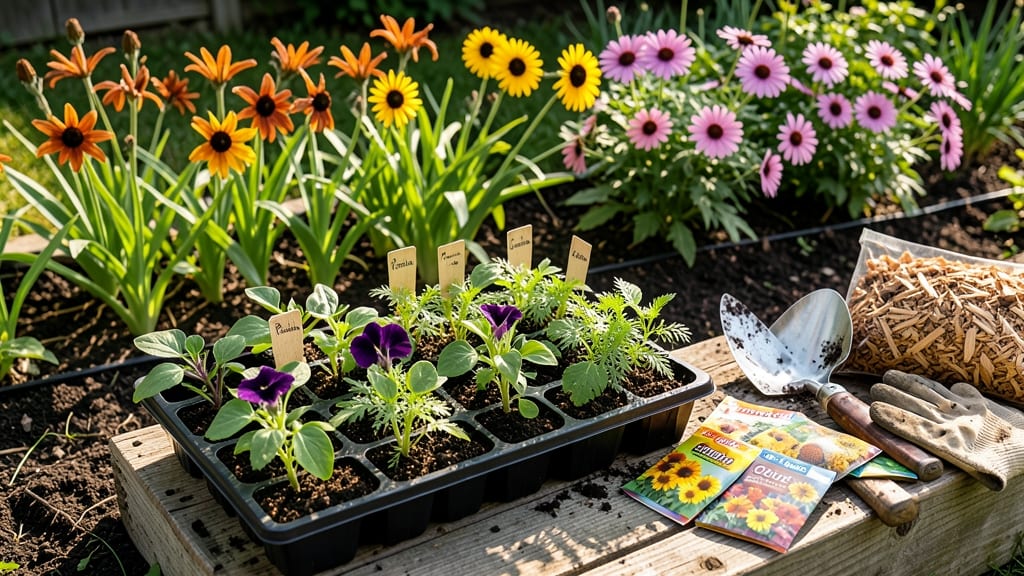
Timing is everything when it comes to planting Flowers in North Carolina—get it wrong, and you might end up with frost-nipped petals or wilting blooms before they even show their colors.
The Tar Heel State’s mix of coastal breezes, Piedmont heat, and mountain chill means your garden’s success hinges on knowing the perfect window for each variety.
From the 6a chill of the mountains to the balmy 8b zones near the coast, your planting schedule should align with frost dates, soil warmth, and the unique needs of annuals, perennials, and bulbs.
Whether you’re dreaming of vibrant azaleas in spring or hardy mums in fall, missing the mark by even a few weeks can mean the difference between a showstopping garden and a sad, sparse one.
I’ve broken down the science—and the secrets—so you can plant with confidence. Discover the exact months to tuck in seeds, transplant seedlings, and coax bulbs into action, tailored to your corner of North Carolina. Ready to turn your yard into a year-round floral masterpiece? Let’s get started.
We’ll also cover how to adjust for microclimates, from sheltered valleys to exposed ridges, so no matter where you live, your 🌸 will thrive. No more guesswork—just lush, long-lasting blooms that steal the show.
North Carolina flower planting calendar by USDA hardiness zones 6b, 7a, and 8a
North Carolina spans three key USDA zones: 6b (mountains), 7a (Piedmont), and 8a (coastal). Each zone has unique frost dates that dictate when to plant flowers for maximum success. For example, Zone 8a (coastal) can plant 6 weeks earlier than Zone 6b (mountains) without frost risk.
To simplify, I’ve broken down planting windows by flower type—annuals, perennials, and bulbs—so you know exactly when to start seeds, transplant seedlings, or tuck bulbs into the soil. Timing is everything: Plant too early, and frost will kill tender shoots; too late, and you’ll miss peak blooms.
Here’s your zone-specific planting calendar for the most popular flowers in NC, including last frost dates and ideal transplanting periods to ensure vibrant blooms all season.
For Zone 6b, wait until mid-April to plant warm-season annuals like petunias or marigolds, as late frosts can still occur. In Zone 8a, you can start planting tender perennials like hibiscus as early as February, but protect them with frost cloth
Best flowers to plant in each North Carolina season for nonstop color
North Carolina’s four distinct seasons offer perfect opportunities to plant flowers that bloom year-round. Spring bulbs like tulips and daffodils wake up the garden, while summer annuals like petunias and zinnias steal the show. Don’t overlook fall mums and winter pansies—they’ll keep your garden vibrant even when temperatures drop.
Each season has its own star performers. March through May is ideal for planting perennials like daylilies and coneflowers, which thrive in NC’s USDA Zones 6b-8a. Meanwhile, August and September are perfect for fall-planted bulbs like crocuses and hyacinths, ensuring early spring blooms.
Spring (March-May) is the busiest season for planting. Start with cool-season annuals like pansies and snapdragons in early March. By April, transition to warm-season favorites such as marigolds and zinnias. Perennials like black-eyed Susans and bee balm can also go in during this window.
Summer (June-August) is all about heat-loving annuals. Plant petunias, geraniums, and sunflowers after the last frost date (typically mid-April in Zone 6b and early March in Zone 8a). For fall color, start mums and asters in late summer to bloom through October.
Fall (September-November) is a hidden gem for gardeners. Plant bulbs like daffodils and tulips in October for spring blooms. Pansies and sweet alyssum can also handle light frosts, adding color until winter. Don’t forget winter pansies in November—they’ll brighten up chilly days.
Winter (December-February) might seem quiet, but it’s the perfect time to plan and prep. While active planting is limited, you can order seeds, divide perennials, or mulch established plants to protect them from freezing temps. Evergreen flowers like hellebores and winter jasmine add structure and interest during this dormant season.
To maximize your garden’s potential, rotate flowers by season and deadhead spent blooms regularly. This keeps your yard looking fresh and encourages continuous flowering. With the right timing, your North Carolina garden can be a year-round floral masterpiece! 🌸
🌼 Top Flowers by Season in North Carolina
- 🌷 Spring (Mar-May): Tulips, Daffodils, Pansies, Snapdragons, Daylilies
- ☀️ Summer (Jun-Aug): Petunias, Marigolds, Zinnias, Sunflowers, Coneflowers
- 🍂 Fall (Sep-Nov): Mums, Asters, Sweet Alyssum, Crocus Bulbs, Pansies
- ❄️ Winter (Dec-Feb): Hellebores, Winter Jasmine, Pansies, Evergreen Roses