
Plants
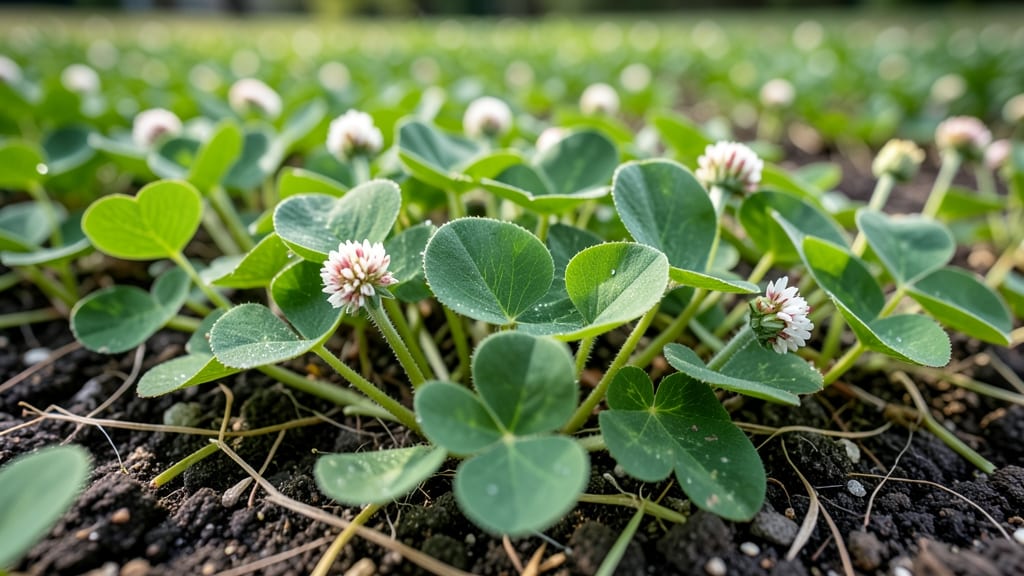
Knowing when to plant food plots for deer in Louisiana can mean the difference between a property buzzing with trophy bucks and one that barely gets a glance.
Louisiana’s unique climate—with its long, steamy summers and mild winters—gives you two prime windows to get those 🌾 plots growing fast, but timing them wrong could leave your seeds wilting before they even sprout.
Most hunters make the mistake of waiting too late in spring or planting the wrong crops for their region’s heat and humidity.
But when you nail the late winter-early spring window (February-March) or the mid-summer rush (July-August), you’re setting yourself up for year-round forage that keeps deer coming back—especially during hunting season.
What if I told you the secret isn’t just about throwing seeds in the ground? It’s about working with Louisiana’s 8a-9b climate—choosing fast-growing crops like clover and brassicas that thrive in the heat, prepping soil to avoid fungal risks, and knowing exactly when to fertilize for maximum deer appeal.
In this guide, I’ll break down the exact months to plant, the best crops for your area, and how to turn your food plots into a deer magnet. Let’s get started—your next trophy buck is waiting for the right invitation.
Best months to plant food plots in Louisiana for maximum deer impact
In Louisiana, the key to successful deer food plots lies in matching planting windows with the state's humid climate and deer activity patterns. Unlike northern regions, Louisiana's USDA Zones 8a-9b allow for two primary planting seasons: early spring and late summer.
Each offers unique advantages for attracting deer during their peak feeding times.
Spring planting (February-March) aligns perfectly with deer's rutting season in fall, while summer plantings (July-August) provide fall forage when natural food sources dwindle. The difference in timing creates year-round attractants, ensuring deer have reliable food sources throughout the year.
Here's the breakdown of optimal planting months for Louisiana's most effective food plot crops:
| Planting Window | Best Crops | Deer Appeal | Growth Timeline |
|---|---|---|---|
| Late Winter (Feb 15-March 15) | Clover, Brassicas, Soybeans | High (spring green-up) | 60-90 days to maturity |
| Early Spring (March 15-April 15) | Warm-season mixes, Sorghum-Sudangrass | Very High (summer forage) | 45-75 days to maturity |
| Late Summer (July 1-August 15) | Winter peas, Rye, Turnips | High (fall/winter browse) | 50-80 days to maturity |
| Early Fall (August 15-Sept 15) | Austrian peas, Winter wheat | Moderate (early winter food) | 75-100 days to maturity |
🌱 Planting windows align with Louisiana's frost-free growing season (250+ days)
For northern Louisiana (Zones 8a), aim for earlier spring plantings (February) to avoid late frosts, while southern Louisiana (Zones 9a-9b) can extend spring planting into early April without frost concerns. The key is to have active growth available during deer's peak feeding months (October-December).
My top recommendation is establishing a two-phase planting system: plant warm-season crops in March for summer forage, then cool-season crops in August for fall/winter browsing. This creates a continuous food source that keeps deer on your property year-round.
When scheduling your plantings, consider deer movement patterns. In Louisiana, deer are most active during dawn and dusk, so timing plantings to provide peak forage during these periods maximizes their attraction.
For example, clover mixes planted in March will be at their most palatable in late spring, just as deer are preparing for the rut in November.
Don't overlook soil preparation timing. In Louisiana's humid climate, soil prep should begin 4-6 weeks before planting to allow proper drainage and seedbed formation.
For spring plantings, this means January soil work, while summer plantings require June soil prep to handle the region's high rainfall and heat.
One common mistake I see is planting too late in spring. By May or June, Louisiana's heat and humidity can stress young seedlings. For warm-season crops, the ideal window closes by April 15 in most areas.
Similarly, fall plantings after September 15 risk immature growth before winter sets in.
Pro tip: Use cover crops like rye or winter wheat in your fall plantings to protect soil and provide early spring forage. These can be disked under in late winter to create fertile seedbeds for your primary spring crops.
How Louisiana’s climate affects food plot success (and how to adapt)
Louisiana’s humid subtropical climate isn’t just hot—it’s a double-edged sword for food plots. While the long growing season gives you 10+ months of potential forage, the same heat and moisture that fuel growth can also stress plants or invite pests if you’re not prepared.
The key? Adapting planting and care strategies to match your region’s microclimate, whether you’re in southern Louisiana’s coastal heat or northern Louisiana’s milder winters.
For starters, soil prep timing shifts dramatically. In southern Louisiana (Zones 8b-9a), you can plant warm-season crops like sorghum-sudangrass as early as February—but in northern Louisiana (Zone 8a), wait until mid-March to avoid late frost risks.
The difference? 10-14 days that could mean the difference between lush growth and failed germination.
Humidity and fungal risks are your next hurdles. Louisiana’s 90%+ humidity in summer creates the perfect storm for powdery mildew and leaf spot diseases, especially in brassicas like turnips or clover mixes. My solution? Space plants wider (3-4 feet apart) for airflow and apply fungicide preventatively in June-July. A copper-based spray every 4-6 weeks keeps fungal pressure in check without harming deer.
🌿
Climate Pitfalls in Louisiana Food Plots
- Southern LA: Heat stress in July-August can stunt growth—mulch heavily and water deeply at soil level.
- Northern LA: Fungal risks spike in cool, wet springs—avoid overhead watering and plant on raised beds if possible.
- Coastal areas: Salt spray from hurricanes can damage foliage—flush soil with fresh water post-storm.
- All regions: Deer browsing peaks in fall—plant fast-regrowing mixes (like austrian winter peas) to sustain forage.
Watering strategies also need a Louisiana twist. While most guides preach 1 inch per week, our heavy summer rains can drown seedlings if you’re not careful.
I’ve had clover plots fail after 3 inches of rain in 24 hours—so install drainage tiles in low spots and avoid planting in depressions. For drought years (like 2023), switch to deep-rooted crops like chufa sedge, which thrive with half the water.
Finally, pest pressure is year-round here. Raccoons and armadillos will dig up fresh seeds, while deer flies can stress seedlings.
My two-pronged defense: Plant in late summer (August-September) for cool-season crops to avoid peak fly season, and use deer-proof fencing (8-foot tall) around new plots until they’re 3 feet tall. It’s a small investment to protect your $200/acre seed investment.
By tweaking your approach for local conditions, you’ll turn Louisiana’s challenges into competitive advantages. Think of it like playing chess with Mother Nature—she’s got her moves, but you’ve got the local knowledge to outmaneuver her. 🌱