
Plants
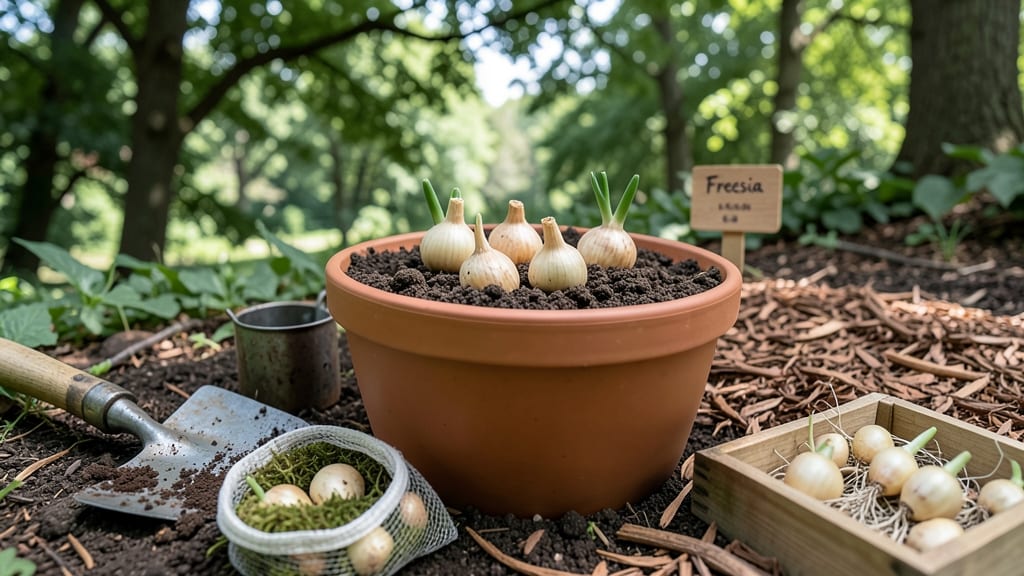
Timing is everything when it comes to planting freesia bulbs in Zone 5—get it wrong, and you might miss out on those fragrant 🌸 blooms entirely.
Unlike warmer climates, Zone 5's unpredictable frosts demand precision, and planting too early or late can leave your bulbs vulnerable to cold damage or wasted effort.
Most gardeners in Zone 5 swear by fall planting, but there’s a sweet spot between September and early November—just 4-6 weeks before the first frost—to ensure bulbs establish roots before winter sets in.
This timing lets freesias develop strong roots while avoiding the risk of frost heaving or rot in soggy soil.
If you’re torn between fall and spring planting, here’s the key: fall-planted bulbs deliver earlier, more reliable blooms in late spring, while spring planting (after last frost) can work for summer flowers—but only if you’re willing to take extra precautions against late frosts.
Ready to unlock the secrets to zero-frost-risk freesia blooms? I’ll walk you through the exact steps, from soil prep to spacing, so your garden bursts with color year after year—without the guesswork.

Optimal freesia planting timeline in Zone 5: month-by-month breakdown
Zone 5 gardeners face a unique challenge with freesia bulbs—they must time planting to avoid early frost damage while ensuring bulbs establish roots before winter. Freesias thrive in cool but frost-free conditions, making late summer to early fall the ideal window for planting.
In Zone 5, where the first frost typically arrives mid-October, bulbs need 4-6 weeks of root growth before winter sets in.
Planting too early (like July) risks premature sprouting from heat, while waiting until November leaves bulbs vulnerable to frost heave. The sweet spot? Late August through October, when soil temps drop below 70°F but stay above freezing.
This timing lets freesia bulbs establish roots without rushing into growth too soon.
Here’s the month-by-month breakdown for Zone 5, including soil temperature thresholds and frost risks:
For spring blooms, aim to plant freesia bulbs in late August to early September. This gives them enough time to root before winter dormancy.
If you prefer summer blooms, plant in late April, but be prepared to protect young shoots from late spring frosts (common in Zone 5 until mid-May).
Pro tip: Use a soil thermometer to confirm temps are below 70°F before planting. Freesia bulbs won’t sprout until soil cools, so don’t rush—patience prevents frost damage and ensures robust growth. Mulch with straw or shredded leaves after planting to insulate bulbs from temperature swings.
In Zone 5, freesia bulbs planted in September typically bloom in late May to June, just as other spring flowers fade. This timing also aligns with hummingbird season, making your garden a pollinator paradise. For longer vase life, deadhead spent blooms and avoid overwatering—freesias hate soggy soil.
If you’re new to freesias, start with ‘Blue Bird’ or ‘Mammoth’ varieties, which are hardier and more forgiving of Zone 5’s unpredictable frosts. These varieties also produce larger blooms, perfect for cutting gardens.
Just remember: depth matters—plant bulbs 2–3 inches deep and 3–4 inches apart for optimal airflow and drainage.
For gardeners in northern Zone 5 (e.g., Minneapolis, Detroit), err on the earlier side (late August). Those in southern Zone 5
Fall vs. spring planting: which season works best for freesias in Zone 5?
Choosing between fall and spring planting for freesia bulbs in Zone 5 depends on your goals—whether you want spring blooms or summer color. Each season offers unique advantages, but Zone 5’s short growing season and frost risks make timing critical.
Let’s break down the pros and cons to help you decide which approach aligns best with your garden’s microclimate and your blooming preferences.
Fall planting (for spring blooms) is the most reliable method in Zone 5. By planting 4-6 weeks before your first frost (typically late September to early November), your bulbs establish roots before winter dormancy. This head start ensures vibrant spring blooms (May-June) when other perennials are just waking up. The key? Planting early enough for roots to form but late enough to avoid early frost damage to emerging shoots.
Spring planting (for summer blooms) is riskier in Zone 5 but can work if you’re patient. Planting in late April or May after the last frost gives you summer blooms (July-August), but freesias need longer daylight to flower, which may result in smaller blooms or delayed flowering. The trade-off? You miss the earlier spring display but might extend your blooming season into warmer months.
Fall Planting (Spring Blooms)
- Bulbs establish roots before winter
- Guarantees earlier blooms (May-June)
- Lower risk of frost damage to shoots
- Requires precise timing to avoid early frost
- Limited to one blooming season per year
Spring Planting (Summer Blooms)
- Extends blooming into summer months
- Can experiment with new varieties each year
- Higher risk of late frost damage to shoots
- May produce smaller or delayed blooms
- Requires patience for flowering
For Zone 5 gardeners, I recommend fall planting as the safest bet—it’s foolproof for reliable spring blooms and minimizes frost risks.
However, if you’re eager for summer color and willing to take risks, spring planting can work with protective measures like row covers or a microclimate (e.g., a sunny, sheltered spot). Test both methods in small batches to see what thrives in your specific Zone 5 conditions!
Pro tip: If you love freesia blooms year-round, plant half your bulbs in fall for spring color and half in spring for summer—just be prepared for potential losses in the spring-planted batch. Zone 5’s unpredictable frosts make diversity a smart strategy!
🌸