
Plants
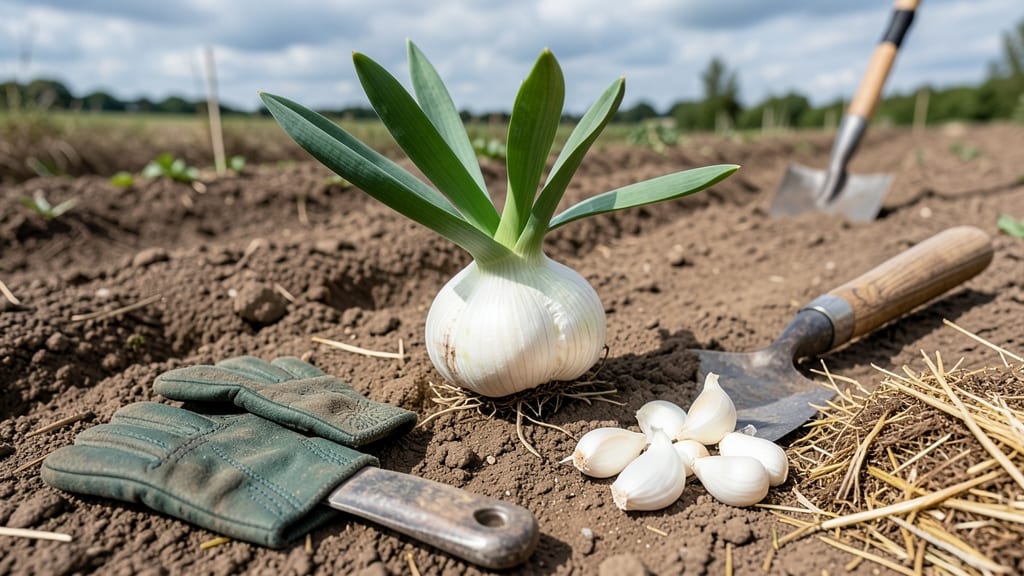
Timing your garlic bulb planting in Zone 5 isn't just about throwing cloves in the dirt—it's the secret to growing hardneck varieties with massive bulbs and rich flavor.
Plant too early, and you risk sprouting before winter; too late, and roots won't establish properly. The 6-week window between late September and mid-November is your golden opportunity.
Why does this matter? Because Zone 5's unpredictable frosts demand precision. Garlic needs cold dormancy to develop properly, and hardnecks—like Rocambole or Purple Stripe—thrive when planted just right. Get it wrong, and you might end up with small, weak bulbs or even total failure.
Let me show you exactly how to nail this timing for a harvest that'll make your neighbors jealous.
We're talking about soil temperatures between 40-50°F, frost dates, and regional adjustments that could save your crop. Whether you're a first-time planter or a seasoned gardener, these pro tips will help you avoid common mistakes and set your garlic up for success.
Ready to turn your fall planting into next summer's prize harvest?
The key is understanding how garlic behaves in Zone 5's climate—when to plant, how deep, and what to watch for as winter approaches. By the end of this guide, you'll know exactly when to get those cloves in the ground for bulbs that'll be the talk of your garden.
Let's dig in!

Optimal fall planting window for Zone 5 garlic bulbs
In Zone 5, timing is everything when planting garlic bulbs. The ideal window spans 6 weeks, from late September to mid-November. This period ensures your hardneck varieties develop strong roots before winter dormancy, setting the stage for robust growth in spring.
The key is planting when soil temperatures drop to 40-50°F—this triggers root development without encouraging premature sprouting.
For most of Zone 5, aim to plant by November 15th to allow 4-6 weeks of root establishment before the ground freezes. In northern parts of the zone, shift this window earlier to late October.
Southern areas may extend planting to early December, but avoid planting too late—roots need time to harden before winter.
Frost plays a crucial role in garlic's growth cycle. A light frost in winter helps harden the bulbs, while spring frosts (after mid-May) can damage emerging shoots.
Planting too early (before September 15th) risks premature sprouting, which weakens cloves before winter. Too late (after December 1st) means insufficient root growth before dormancy.
Soil temperature is your best guide. Use a soil thermometer to confirm readings between 40-50°F at 4 inches deep. In Zone 5, this typically aligns with late October in most regions. If your soil stays warm longer, opt for shade cloth or wait for cooler nights to plant.
🌱 Zone 5 Garlic Planting Timeline
| Stage | Action | Soil Temp | Notes |
|---|---|---|---|
| Late September | Prepare beds | 50-60°F | Add compost, test pH (6.0-7.0) |
| Late October | Plant bulbs | 40-50°F | 2" deep, 6" apart |
| November | Mulch heavily | Below freezing | 4-6" straw, protect from rodents |
| Spring (May) | Remove mulch | 40°F+ | Watch for scapes (hardnecks) |
| July-August | Harvest | Warm soil | Lower leaves brown, bulbs firm |
Regional adjustments are key in Zone 5. In northern sub-zones (5a-5b), prioritize late October planting to avoid early frosts. Southern areas (5c) can extend to early November.
Always check your last frost date—aim to plant 4-6 weeks before the ground freezes solid. Use local weather data to fine-tune your schedule.
Pro tip: Plant a test row in early October to monitor sprouting. If cloves sprout before winter, they’ll be weaker. Adjust your main planting date based on this trial.
Hardneck varieties like 'Music' or 'German White' thrive with this precise timing, while softnecks are more forgiving but less flavorful in Zone 5.
Don’t underestimate the power of mulching. Apply 4-6 inches of straw or leaves after planting to insulate bulbs through winter. This protects against temperature fluctuations and rodent damage. In Zone 5, mulch can mean the difference between a thriving crop and frozen cloves. 🌱
Remember, garlic is a cool-season crop. The 6-week window isn’t arbitrary—it’s rooted in the plant’s biology. Hardneck garlic needs vernalization (cold exposure) to form bulbs, while softnecks store energy differently. Zone 5’s climate is perfect for hardnecks if you nail the timing. 🥔
For maximum bulb size, pair optimal planting with well-draining soil and full sun. Avoid heavy clay soils, which can cause rot. Amend with compost and sand if needed. Your goal is to create an environment where roots can establish deeply before winter—this sets the stage for plump, flavorful
Optimal fall planting window for Zone 5 garlic bulbs
In Zone 5, the 6-week window between late September and mid-November is your best bet for planting garlic bulbs. This timing ensures your cloves establish roots before the ground freezes, while still benefiting from winter's cold dormancy.
Think of it as a sweet spot where nature's chill cycle aligns perfectly with garlic's growth needs.
Your goal is to plant when soil temperatures drop to between 40-50°F. This range signals garlic to start root growth without triggering premature sprouting. Use a soil thermometer for accuracy—don't guess!
In most of Zone 5, this typically falls in October, but watch your local frost dates like a hawk.
Here's where it gets tricky: planting too early (like late August) risks sprouting before winter, while planting too late (after mid-November) means roots won't establish properly before freeze-up.
The 4-6 week rule before your first hard frost is your golden guideline. For example, if your frost date is November 15th, aim to plant by October 15th.
Regional adjustments matter too. In northern Zone 5 (like Minnesota), you might start planting in early October, while southern areas (like Missouri) could extend planting until early November. Always check your last frost date and count backward—this simple math saves more garlic crops than you'd think.
| Factor | Zone 5 Specification | Pro Tip |
|---|---|---|
| Ideal Planting Window | Late September - Mid-November | Plant 4-6 weeks before first frost |
| Soil Temperature | 40-50°F (4-10°C) | Use soil thermometer for accuracy |
| Northern Zone 5 | Early October start | Faster freeze-up requires earlier planting |
| Southern Zone 5 | Can plant until early November | Later frost dates allow extended window |
| Critical Mistake | Planting after mid-November | Roots won't establish before freeze |
Remember that hardneck garlic varieties—like the popular Rocambole and Purple Stripe—need this precise timing to develop their signature scape and large bulbs. The cold period actually triggers their growth cycle, so don't skip it!
Even if you're eager to get planting, resist the urge to start too soon—patience here pays off with bigger, more flavorful harvests.
Once you've nailed your planting window, the next critical step is proper soil preparation. Well-draining soil with plenty of organic matter is non-negotiable—garlic hates soggy feet. But that's a topic for our next section!
For now, mark your calendar and get those cloves in the ground at the perfect time for Zone 5 success.