
Trees
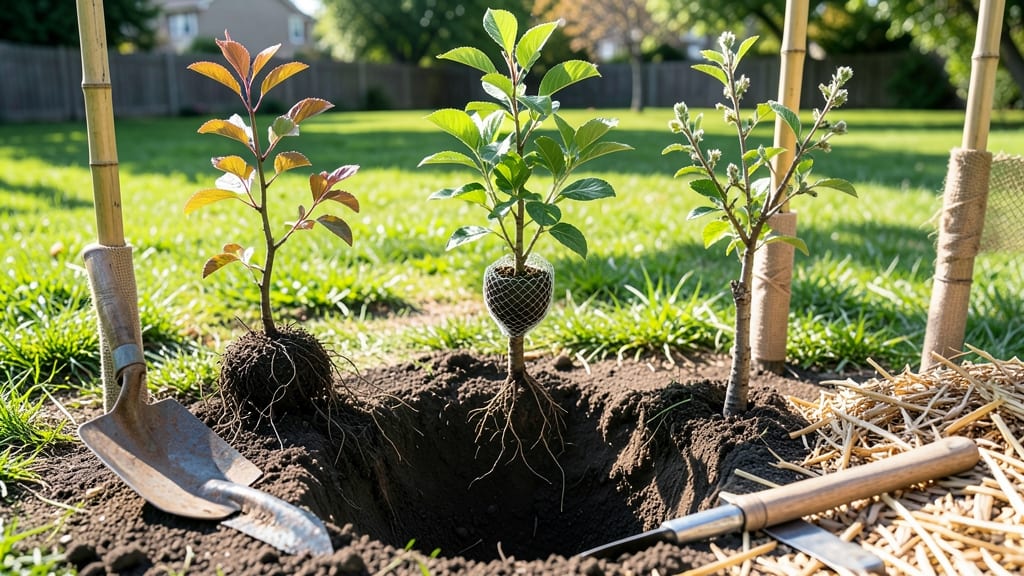
Timing your fruit tree planting in Indiana isn’t just about the calendar—it’s about beating the last frost and giving roots a fighting chance in Zone 5b-6b.
If you plant too early, cold snaps can shock delicate roots; too late, and your tree might struggle to establish before summer heat sets in. The sweet spot? Late winter to early spring, when soil temperatures hover around 40°F—but there’s more to it than just the month.
Indiana’s unpredictable spring weather means you’ll need to adjust for your specific fruit tree variety. Apples and pears, for example, thrive when planted in March or early April, while peaches and cherries can handle slightly later dates.
Container-grown trees offer flexibility, but bare-root varieties demand precision—planting them before buds swell is critical for survival. Let’s break down the exact window and pro tips to avoid costly mistakes.
Beyond the clock, soil prep and site selection make all the difference. Indiana’s clay-heavy soils often need amendments to improve drainage, and mulching can protect roots from extreme temperature swings.
I’ll walk you through the steps to set your fruit tree up for success, so you’re not left scrambling when the first 🍎 harvest rolls around in summer.
Whether you’re a first-time gardener or a seasoned Hoosier grower, getting the timing right means fewer headaches and more homegrown fruit. Stick with me, and I’ll show you how to plant your fruit tree the way Indiana experts do—so you can enjoy years of bountiful harvests without the guesswork.
Best planting months for fruit trees in Indiana (Zone 5-6)
Indiana’s Zone 5-6 climate demands precise timing for fruit tree planting—too early, and frost zaps young roots; too late, and your tree struggles to establish before winter. The ideal window is late winter to early spring, when soil thaws but buds haven’t yet swollen.
This gives roots time to knit before the growing season kicks in.
For bare-root trees, aim to plant between mid-March and early April—just as soil temperatures hit 40°F (4°C). Container-grown trees offer more flexibility, allowing planting from early spring to early fall, but avoid extreme heat or cold.
Peaches and cherries, sensitive to late frosts, need special attention to timing.
Fall planting is possible in Indiana’s northern zones (5b), but only for dwarf or semi-dwarf varieties with at least 6 weeks until the first frost. The goal? Let roots establish before winter dormancy sets in. Never plant in summer’s oppressive heat—stress weakens young trees.
🌱
Peach and nectarine trees are frost-sensitive—plant them after the last average frost date (April 15 in most of Indiana). Check your local microclimate: Northern Indiana’s colder pockets (like Gary) may need to wait until mid-April, while Southern Indiana (Evansville) can start earlier.
For apple and cherry trees, early spring planting (March) is ideal—they tolerate cooler soils better than stone fruits. If you’re in Zone 5b, prioritize cold-hardy varieties like Honeycrisp apples or Montmorency cherries, which handle Indiana’s late frosts better than tender types.
Pro tip: Use a soil thermometer to confirm temps—40°F (4°C) is the magic number for bare-root trees. If soil is still frozen, wait it out; rushing leads to root rot or poor establishment.
🌳
Indiana’s unpredictable spring weather means flexibility is key. If a late frost threatens, delay planting until after May 1, even if it’s not ideal. The trade-off? Trees may enter their second year smaller but healthier. Always prioritize root health over schedule—your tree’s long-term success depends on it.
💡
Best planting months for fruit trees in Indiana (Zone 5-6)
Indiana’s Zone 5-6 climate demands precise timing for planting fruit trees. The ideal window spans from late winter to early spring, specifically February through April, when soil temperatures rise above 40°F but before buds swell. This timing lets roots establish before summer heat arrives.
Bare-root trees thrive when planted in dormant season, typically February to early March.
Container-grown trees offer more flexibility, allowing planting through April or even May, but avoid extreme heat or frost risks. Fall planting is possible in October for container-grown trees, but bare-root trees must wait until next spring.
🌱
For apple and pear trees, prioritize early spring planting (March) to avoid late frosts that can damage blossoms. Peaches and cherries, however, handle late spring planting (April) better since they bloom later and face lower frost risk.
Always check your local last frost date—Indiana’s average is April 15—and plant at least 2-3 weeks before to give roots time to establish.
Soil temperature is critical: use a soil thermometer to confirm it’s above 40°F before planting. Cold soil can stunt root growth, leaving trees vulnerable to disease and stress. If your soil is still frozen, wait—patience prevents poor establishment.
🌿
After planting, mulch heavily (3-4 inches) with organic material like wood chips to retain moisture and regulate soil temperature. Avoid mulching too close to the trunk to prevent rot and pest issues.
In Indiana’s clay-heavy soils, amending with compost or sand improves drainage, which is crucial for young roots.