
Trees
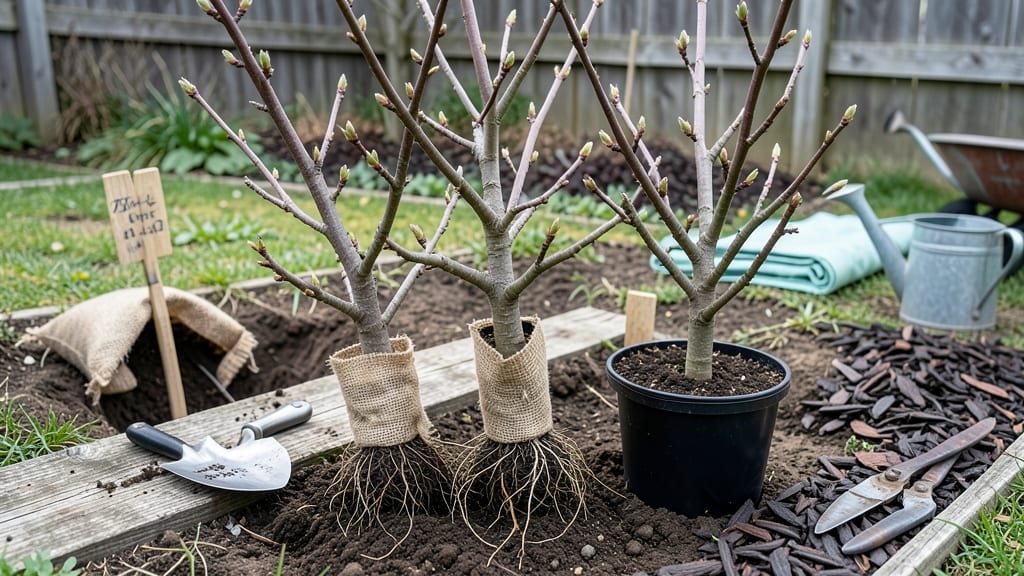
Timing is everything when it comes to planting fruit trees in Massachusetts—get it right, and you're setting up years of bountiful harvests like 🍎. But plant too early or too late, and your young tree might struggle with frost damage or poor root establishment.
The 5b-7a zones here demand precision, especially since late frosts can linger well into April.
Most gardeners swear by two key windows: late winter to early spring (February through April) for bare-root trees, or fall (September to October) for container-grown varieties. Why? Because these periods give roots time to establish before the stress of summer heat or winter cold sets in.
For example, apples and pears thrive when planted in fall, while stone fruits like cherries often prefer the spring window.
But here's the catch: your exact timing depends on your corner of Massachusetts. Northern zones like 5b need extra caution against lingering frosts, while southern 7a areas can push planting slightly later.
I'll break down the zone-specific strategies that make all the difference—so you can avoid common pitfalls and give your fruit trees the best possible start.
Ready to plant with confidence? Let's dive into the perfect months for your region, soil prep secrets, and how to protect your investment from Massachusetts' unpredictable weather. Your future harvests will thank you!
Massachusetts hardiness zones 5-7: exact planting windows for fruit trees
Massachusetts spans USDA Zones 5-7, meaning your planting window depends on whether you're in the cooler northwest (5a/5b) or warmer southeast (6a/7a). For apples, pears, and cherries, timing is critical—plant too early, and roots struggle; too late, and buds break before frost protection kicks in.
In Zone 5, aim for late April to early May (bare-root) or September to early October (container-grown). Zone 6-7 gardeners have a slightly longer window: March to early April or late September to November. The key? Plant when soil temps hit 40°F+ and before bud break.
Here’s the zone-by-zone breakdown for optimal root establishment and frost resilience:
| Zone | Ideal Planting Month | Soil Temp | Key Varieties |
|---|---|---|---|
| 5a (e.g., North Adams) | Late April–Early May | 40°F+ | McIntosh, Cortland, Early Red |
| 5b (e.g., Worcester) | March–Early April | 45°F+ | Honeycrisp, Bosc, Starkrimson |
| 6a (e.g., Boston) | February–March | 40°F+ | Fuji, Anjou, Starking |
| 6b/7a (e.g., Cape Cod) | January–Early February | 45°F+ | Gala, Asian Pear, Sweet Cherry |
For stone fruits (peaches, plums, cherries), wait until after last frost (typically mid-May in Zone 5, early April in Zone 7). These trees are less frost-hardy and need warmer soil to thrive.
Fall planting (September–October) works best for container-grown trees—they establish roots before winter but avoid late-season heat stress. Just mulch heavily to insulate roots during Zone 5’s harsh winters.
Pro tip: Check the Massachusetts Horticultural Society’s frost maps for your exact last frost date. Planting 2–4 weeks before ensures roots harden before winter sets in.
🌱
Bare-root vs. potted fruit trees: Massachusetts-specific planting strategies
Choosing between bare-root and potted fruit trees in Massachusetts isn’t just about preference—it’s about timing, soil prep, and protecting your investment from late frosts. Each type has distinct planting windows and care needs, especially across the state’s USDA zones 5b-7a.
Let’s break down what works best for your location and climate.
For bare-root trees, the golden window is late winter to early spring (February through April), before buds swell. This gives roots time to establish before summer heat arrives.
In northern MA (zones 5a-5b), aim for planting by late March to avoid frost damage. Southern regions (zones 6a-7a) can extend this slightly into early April.
Fall planting is also ideal for bare-root trees, specifically September to October, about 6-8 weeks before first frost. This allows roots to grow before dormancy sets in. However, avoid planting in late fall—you risk exposing tender roots to winter freeze.
Bare-Root vs. Potted Fruit Trees: Pros and Cons
- ✅ Cheaper than potted trees
- ✅ Hardier roots after dormancy
- ✅ Best for spring/fall planting
- ✅ Plant year-round (except winter)
- ✅ Easier to transport
- ✅ Less root shock if planted carefully
- ❌ Limited planting window (spring/fall only)
- ❌ Requires immediate planting (can’t store long)
- ❌ More fragile roots if not handled carefully
- ❌ More expensive than bare-root
- ❌ Pot-bound roots if not pruned
- ❌ Less hardy in extreme cold
Potted fruit trees offer more flexibility—they can be planted year-round in Massachusetts, except during winter (December-February). However, the best times remain spring (April-May) and fall (September-October) to avoid transplant shock. If planting in summer (June-August), water deeply and mulch heavily to protect roots from heat stress.
One critical difference is soil preparation. For bare-root trees, amend soil with compost and organic matter to improve drainage, especially in clay-heavy soils common in western MA. Potted trees need a well-draining mix (like 60% native soil, 30% compost, 10% perlite) to prevent root rot.
Both types benefit from a 6-8 foot planting hole to encourage root spread.
Protecting young trees from late spring frosts (common until mid-April) is key. Use frost cloth or a row cover for the first few weeks after planting. In northern MA, consider wrapping the trunk with tree guard to prevent rodent damage during winter dormancy.
Remember: Container-grown trees need their pots removed before planting to avoid girdling roots. Loosen roots gently and spread them outward in the hole. For bare-root trees, soak roots in water for 1-2 hours before planting to revive them.
Both types should be watered deeply after planting to eliminate air pockets.
🌱