
Trees
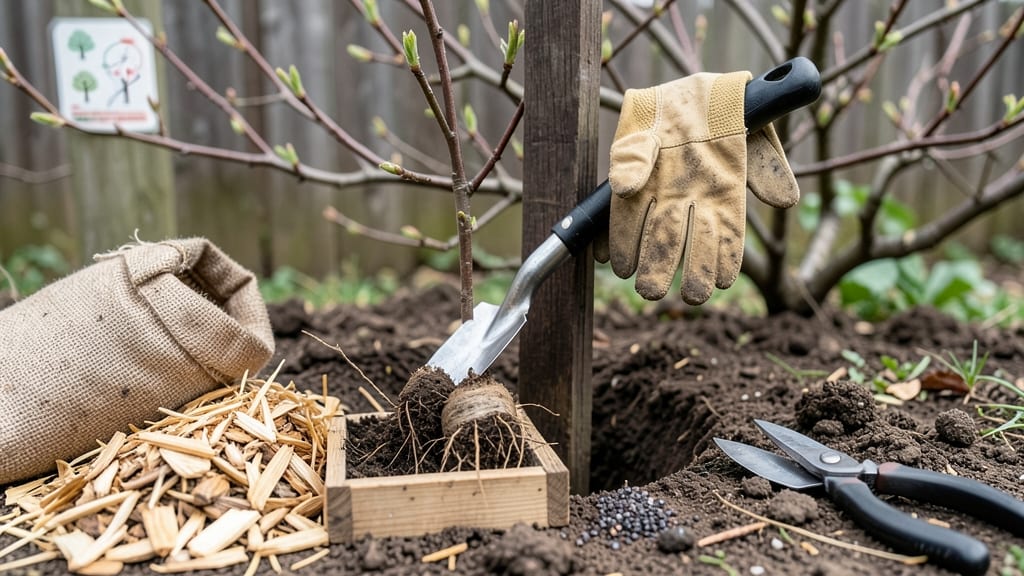
Knowing when to plant fruit trees in Zone 5 can mean the difference between a thriving orchard and a sad, frost-bitten sapling. The 5a-5b climate demands precision—plant too early, and your 🍎 roots won’t establish before winter’s chill; too late, and they’ll struggle to grow before the next harvest season.
Most gardeners swear by early spring or fall as the best windows, but timing isn’t one-size-fits-all.
In Zone 5, you’ve got about 150-180 frost-free days to work with, so planting just 2-4 weeks before the last frost (mid-to-late May) or 6-8 weeks before the first frost (mid-to-late October) gives roots the perfect head start.
Why does this matter? Because fruit trees need time to settle in before winter dormancy kicks in. A well-planted tree in the right season means stronger roots, better fruit production, and years of harvests to come. Let’s break down the exact months and tips to get it right.
Whether you’re planting apples, cherries, or peaches, the key is understanding your microclimate and soil prep. Skip these steps, and even the hardiest varieties can fail. I’ll show you how to set your fruit trees up for success—no guesswork required.

Best planting months for fruit trees in Zone 5 by variety
In Zone 5, where winters are cold and summers are short, timing your fruit tree planting is critical. The ideal windows are early spring (March-April) and early fall (September-October), when soil temperatures are mild and frost risks are low.
This gives young roots time to establish before dormancy or winter stress.
Deciduous trees like apples, peaches, and cherries thrive when planted in these windows because they enter dormancy naturally. Evergreens like figs or citrus (if hardy enough) need extra protection in Zone 5 and should only be planted in spring.
Spring planting (March-April) works best if you can get trees in the ground 2-4 weeks before last frost. Fall planting (September-October) should occur 6-8 weeks before first frost to allow root growth but avoid winter stress. Never plant in extreme heat or cold—both shock young roots.
For bare-root trees, spring planting is ideal because roots can establish before summer heat. Container-grown trees can handle fall planting better but need winter protection. Always check your local frost dates—Zone 5 ranges from 5a (-20°F) to 5b (-15°F), so adjust timing accordingly.
If you miss the ideal windows, late fall (November) can work for dormant trees, but avoid planting in December-February when soil is frozen. Container-grown trees are more flexible but still need 6-8 weeks to establish roots before winter.
Pro tip: Soak bare-root trees for 2-4 hours before planting to rehydrate roots. Use compost-rich soil and a mulch ring to insulate roots in both spring and fall plantings. This extra care helps young trees survive Zone 5’s harsh winters.
Remember, dwarf varieties establish faster than standard trees, making them better choices for Zone 5’s shorter growing season. Smaller root systems mean less stress during winter dormancy. Always choose cold-hardy cultivars labeled for your specific Zone 5 sub-region (5a vs. 5b).
🌱
How to prepare Zone 5 soil for fruit tree planting success
Preparing your Zone 5 soil properly is the foundation for healthy fruit tree roots. In this region, where winters are cold and summers can be dry, soil prep ensures your trees establish strong roots before dormancy.
Start by testing your soil pH—most fruit trees thrive in slightly acidic soil, between 6.0 and 7.0. If your soil is too alkaline or compacted, amend it with organic matter like compost or well-rotted manure.
Zone 5’s clay-heavy soils are common and can suffocate roots. To improve drainage, mix in sandy loam or organic compost to create a looser, more aerated texture. A simple test is to dig a hole: if water pools after 24 hours, your soil drains poorly and needs amending.
For sandy soils, add organic matter to retain moisture and nutrients.
🌱 Step-by-Step Soil Prep for Fruit Trees
- Test Soil pH: Use a kit or send a sample to your local extension office. Ideal range: 6.0-7.0.
- Loosen Soil: Dig a hole twice as wide as the root ball. Break up compacted clay with a garden fork.
- Amend with Compost: Mix in 3-4 inches of compost or aged manure to improve fertility and drainage.
- Add Organic Matter: For sandy soils, blend in peat moss or coconut coir to retain moisture.
- Create a Planting Hole: Make it 12-18 inches deep and wider than the root ball for easy root spread.
- Mulch Heavily: Apply 3-4 inches of mulch (wood chips or straw) to retain moisture and regulate soil temperature.
Before planting, consider adding a slow-release fertilizer like 10-10-10 to the bottom of the planting hole. This gives roots an immediate nutrient boost without overwhelming them. Avoid fresh manure, as it can burn tender roots.
Once your tree is in the ground, water deeply to settle the soil and eliminate air pockets around the roots.
In Zone 5, mulching is non-negotiable. A thick layer of organic mulch (like wood chips or straw) helps regulate soil temperature, conserves moisture, and suppresses weeds.
Keep mulch 3-4 inches away from the trunk to prevent rot. Replenish mulch annually, especially after the first winter, as it breaks down over time.
Finally, consider installing a drip irrigation system or soaker hose near the planting site. Zone 5’s variable rainfall means young trees may need supplemental watering during dry spells. Aim for 1-1.5 inches of water per week, delivered deeply to encourage deep root growth.
With the right soil prep, your fruit trees will establish strong roots before winter, setting them up for years of abundant harvests. Don’t skip this step—healthy soil is the secret to a thriving orchard! 🌳