
Trees
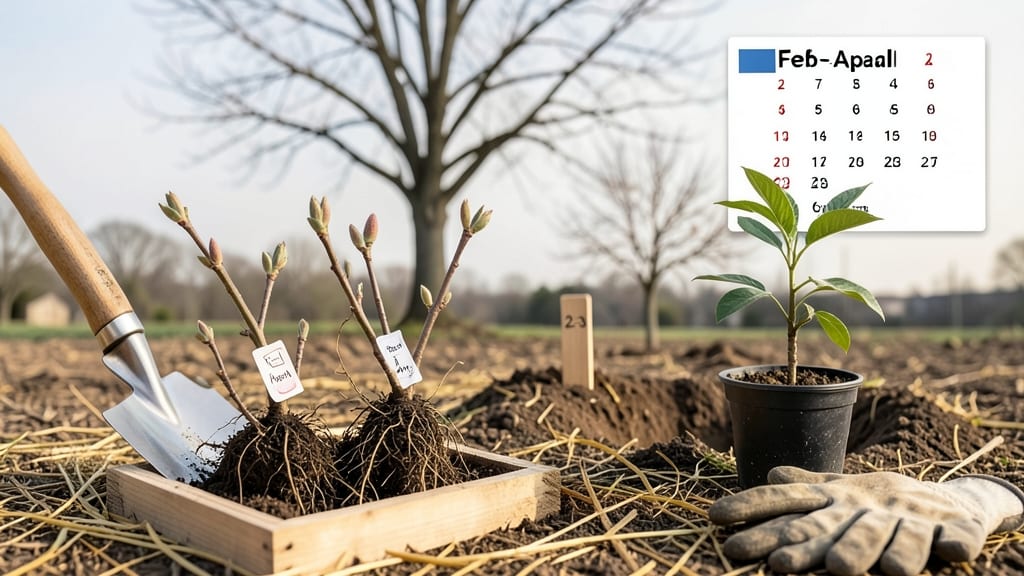
Timing your fruit tree planting in Zone 6 could mean the difference between a thriving orchard and a struggling sapling. The late winter to early spring window—typically March to April—is your best shot for strong root growth before summer heat arrives.
Why does this matter? Planting too early risks frost damage, while waiting too long means your tree won’t establish roots before the heat sets in. In Zone 6 (6a-6b), where last frosts hit around mid-April, getting the timing right is everything.
Let’s break down exactly when and how to plant for the best results.
Most fruit trees—like apples, peaches, and cherries—need 4 to 6 weeks before the last frost to settle in. That’s why March and early April are ideal, giving roots time to spread before summer stress kicks in.
But what if you’re working with bare-root or container-grown trees? We’ll cover those specifics too.
Whether you’re a first-time gardener or a seasoned grower, these insights will help you avoid common mistakes and set your fruit trees up for success. Ready to dig in? Let’s get started.

Best planting months for fruit trees in Zone 6 by tree type
In Zone 6, where winters can be harsh and springs unpredictable, timing your fruit tree planting correctly is crucial for survival and productivity. Most temperate fruit trees—like apples, peaches, and cherries—thrive when planted in late winter to early spring, before buds break.
This window lets roots establish before summer heat arrives.
Evergreen fruit trees, such as figs or citrus, are exceptions—they prefer spring planting after the last frost to avoid winter dieback. Understanding these differences ensures your orchard thrives, not just survives.
| Fruit Tree Type | Best Planting Window | Key Considerations |
|---|---|---|
| Deciduous (Apples, Peaches, Cherries) | Late Winter (Feb-Mar) or Early Spring (Apr) | Plant 4-6 weeks before last frost for root growth before bud break. |
| Evergreen (Figs, Citrus, Pomegranates) | Spring (Apr-May) | Avoid winter planting; frost can kill tender roots. |
| Bare-Root Trees | Late Winter (Feb-Mar) | Plant immediately after purchase; roots dry out quickly. |
| Container-Grown Trees | Spring (Apr-May) | Can plant slightly later; roots adjust better to transplant shock. |
For Zone 6, aim to plant apples and peaches in March—this gives roots time to grow before summer heat stress. If you miss this window, April is your second-best option, but ensure soil temperatures stay above 40°F to prevent root rot.
Bare-root trees, often sold dormant, must be planted immediately after purchase—their roots dry out fast. Soak roots in water for 1-2 hours before planting to rehydrate them. Container-grown trees offer more flexibility but still benefit from spring planting to avoid transplant shock.
If you’re planting figs or citrus, wait until after the last frost (usually mid-April in Zone 6) to prevent frost damage. These trees need time to harden off before winter, so planting too late (June+) risks stunted growth.
Local microclimates matter! A south-facing slope warms faster than a north-facing yard, so adjust planting dates accordingly. Use a soil thermometer to confirm ground temps are above 45°F before planting—this signals safe root growth.
Pro tip: Mulch heavily after planting to insulate roots from spring frost or summer heat. Use 3-4 inches of organic mulch (straw or wood chips) and keep it 6 inches away from the trunk to prevent rot.
For dwarf varieties, timing is even more critical—their smaller root systems need ideal conditions to establish quickly. Plant them 1-2 weeks earlier than standard trees to give roots extra time to spread before summer.
Always check your local last frost date—Zone 6 ranges from 6a (earlier frost) to 6b (later frost). Use resources like the USDA Plant Hardiness Map or your local cooperative extension for precise guidance.
Remember: Patience pays off. A tree planted at the right time in Zone 6 can bear fruit in 3-5 years, while poor timing may delay fruiting by years—or worse, kill the tree entirely. 🌱
Best planting months for fruit trees in Zone 6 by tree type
Zone 6’s cool springs and unpredictable frosts make timing critical for fruit tree success. Most temperate varieties—like apples, peaches, and cherries—thrive when planted in late winter to early spring, while evergreens like citrus or figs need warmer soil.
Let’s break down the best windows by tree type to avoid stunted growth or frost damage.
For deciduous fruit trees (the most common in Zone 6), aim for March or early April.
This gives roots 4-6 weeks to establish before the last frost—usually mid-April in most of Zone 6. Bare-root trees (often sold dormant) can even go in late February if soil isn’t frozen, but container-grown trees wait until soil warms.
| Tree Type | Ideal Planting Window | Key Consideration |
|---|---|---|
| Deciduous (Apples, Peaches, Cherries) | Late February–Early April | Dormant roots establish before bud break |
| Evergreen (Citrus, Figs, Pomegranates) | Late April–May | Soil must reach 60°F+ to avoid root shock |
| Stone Fruits (Plums, Nectarines) | March–Early April | Fast root growth needed for early blooms |
| Dwarf Varieties (All Types) | March–April | Smaller root systems establish quicker |
Evergreen fruit trees like citrus or figs are trickier in Zone 6—they cannot tolerate frost and need soil temperatures above 60°F.
Plant these in late April or May, after the last frost, and protect them with mulch or row covers if early frosts threaten. Figs are the hardiest evergreen option and can sometimes survive Zone 6 winters if planted near a south-facing wall.
If you miss the spring window, fall planting (September–October) is a backup for bare-root deciduous trees, but avoid it for container-grown or evergreen varieties. Fall-planted trees need extra mulch to insulate roots before winter dormancy. Never plant in summer—the heat stresses roots and increases transplant shock.
Pro tip: Check your local last frost date (Zone 6 ranges from April 15–May 1 depending on elevation). For example, Ithaca, NY averages frost until May 10, while St. Louis, MO is safer by April 15. Plant 4–6 weeks before your area’s last frost for best results.
Once you’ve picked your window, focus on soil prep and root care—the next section covers how to give your new trees the best start in Zone 6’s variable climate. 🌱