
Planting
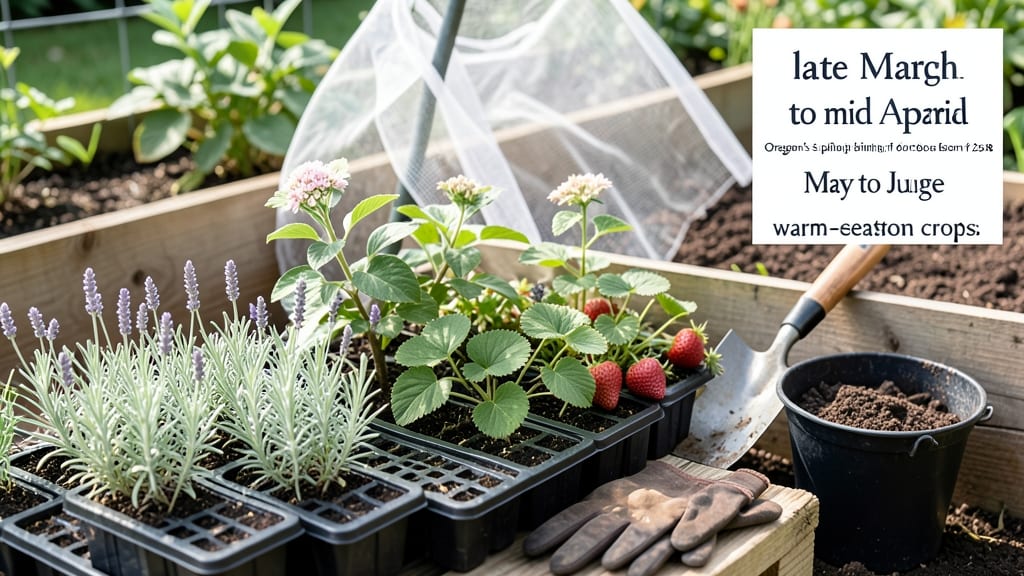
Timing your garden planting in Oregon’s USDA Zones 8-9 can make or break your harvest—get it wrong, and frost will turn your hard work into a sad, wilted memory.
The Willamette Valley and high desert areas have very different rules, and knowing when to plant isn’t just about following a calendar. It’s about reading the land and understanding how Oregon’s unpredictable weather plays its cards.
I’ve spent years growing 🌱 gardens in this state, and the difference between a thriving plot and a frost-killed disappointment often comes down to one week—sometimes even just a few days.
Whether you’re planting warm-season tomatoes or cool-season kale, the right timing ensures your garden thrives from spring through fall. Let’s break down the exact windows you need to know for your region.
From Portland’s last frost dates to Southern Oregon’s extended growing season, we’ll cover what you need to plant when—and how to protect your crops if Mother Nature throws a curveball. No more guessing games: just proven strategies for zero-frost-risk success in Oregon’s climate.
Ready to turn your garden dreams into reality? Let’s get started with the key deadlines that’ll have your plants growing strong all season long.
Oregon’s last frost dates by region: USDA Zone 8 vs. 9 planting windows
Oregon’s diverse climate means your last frost dates can vary dramatically between USDA Zone 8 (coastal areas) and Zone 9 (Southern Oregon). In Portland (Zone 8), expect your average last frost around April 15, while Medford (Zone 9) typically sees frost-free conditions by March 1.
These dates dictate when you can safely plant warm-season crops like tomatoes and peppers.
For high-desert regions like Bend or La Pine, frost can linger until May 1 due to cooler nights. Meanwhile, coastal areas like Astoria may experience late frosts into May, thanks to ocean influences.
Always check local microclimates—urban heat islands can push frost dates 1-2 weeks earlier than rural areas.
Here’s the critical data you need to plan your spring planting schedule accurately:
| Region | USDA Zone | Avg. Last Frost | Safe Planting Window | Notes |
|---|---|---|---|---|
| Portland | 8 | April 15 | April 22 - May 10 | Urban heat islands may push dates earlier |
| Eugene | 8 | April 1 | April 15 - May 1 | Valley warming effect accelerates soil thaw |
| Medford | 9 | March 1 | March 15 - April 1 | Earliest frost-free zone in Oregon |
| Bend | 7b/8 | May 1 | May 15 - June 1 | High desert requires later planting |
| Astoria | 8 | May 10 | May 20 - June 1 | Coastal fog delays soil warming |
Use these dates as your starting point, but always verify with your local Cooperative Extension Service or a neighbor’s garden. A late frost in 2021 hit Portland on May 1, catching many gardeners off guard.
For cool-season crops like lettuce or peas, you can plant 6 weeks before your last frost date.
If you’re in Zone 9, you’ll have 4-6 weeks earlier to plant warm-season crops than gardeners in Zone 8. This head start means you can enjoy two full harvests of tomatoes or peppers—one in spring and another in fall.
For example, Medford gardeners often plant fall crops as early as July 15, while Portlanders wait until August 1.
Pro tip: Monitor soil temperatures with a soil thermometer. Most warm-season crops need soil at 60°F+ to thrive. In cooler microclimates, consider using black plastic mulch to warm the soil 2-3 weeks faster than bare ground.
For high-altitude gardens (like those above 2,000 feet in the Cascades), add 2-3 weeks to your frost dates. These areas often experience late-spring frosts due to mountain snowmelt delaying warming. If you’re unsure, opt for slow-growing varieties or use row covers to protect young plants.
Remember, fall planting follows the opposite rule—start 8-10 weeks before your first frost date. In Portland, that means August 1 for cool-season crops, while Medford can extend planting until September 15. Plan ahead to avoid winter-kill and maximize your harvest window.
Finally, keep an eye on wildfire smoke during late summer—it can stress plants and delay growth. If smoke is heavy, prioritize watering deeply and mulching to protect your soil and roots.
Best vegetables to plant in Oregon’s spring vs. fall seasons (with exact dates)
Oregon’s spring and fall planting seasons offer two prime opportunities for gardeners to grow a bountiful harvest. While spring brings warm days and longer sunlight, fall extends the growing season into cooler months.
Knowing exact planting dates ensures your cool-season crops thrive before winter frost and your warm-season favorites mature before fall’s chill sets in.
In USDA Zones 8-9, like the Willamette Valley or Southern Oregon, the last frost date typically falls between April 15 and May 15, while the first frost arrives around October 15 to November 1.
These dates create a 120-150 day growing window for warm-season crops and a 90-120 day window for cool-season varieties.
Spring planting should begin as soon as the soil is workable, usually late March to early April in most of Oregon. Warm-season crops like tomatoes, peppers, and cucumbers need consistent warmth to germinate, so wait until after the last frost—or use row covers to protect tender seedlings.
For fall planting, start seeds indoors in late June to early July for transplanting by late July to early August. This gives cool-season crops like kale, spinach, and carrots enough time to mature before frost. Succession planting every 2-3 weeks ensures a steady harvest.
| Crop | Spring Planting (Zone 8-9) | Fall Planting (Zone 8-9) | Notes |
|---|---|---|---|
| Lettuce | Late March - April | July - August | Bolt-resistant varieties for summer |
| Tomatoes | After last frost (May) | N/A (warm-season) | Use heat-tolerant varieties |
| Kale | Early April - May | July - August | Sweetens after frost |
| Peppers | After last frost (May) | N/A (warm-season) | Start indoors in March |
| Carrots | April - May | July - August | Loose, well-drained soil |
For warm-season crops, prioritize heat-loving varieties like cherry tomatoes or bell peppers, which thrive in Oregon’s summer heat. In contrast, cool-season crops such as spinach and broccoli prefer milder temperatures and do well in spring or fall when nights are cooler.
Pro tip: Use succession planting to stagger harvests. For example, sow lettuce every 2 weeks from April through August to enjoy fresh greens all season. In high-desert areas like Bend, plant 1-2 weeks later due to cooler nights.
Always check your local microclimate—coastal areas like Astoria have milder winters, while inland zones like Bend experience earlier frosts. Adjust planting dates accordingly for a zero-frost-risk harvest! 🌱