
Planting
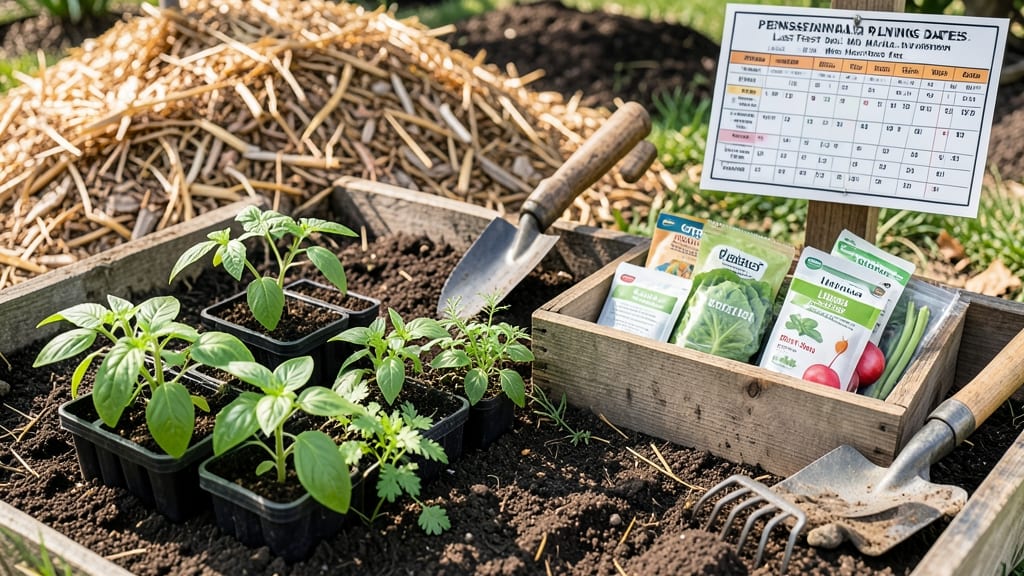
Timing your garden planting in Pennsylvania wrong can mean the difference between a thriving harvest and wasted effort. With USDA Zones 5-7 across the state, knowing exactly when to plant your 🌱 garden is crucial for avoiding frost damage and maximizing growth.
Whether you're a first-time gardener or a seasoned pro, Pennsylvania's diverse climate—from Pittsburgh's urban heat islands to the cooler mountain regions—requires careful planning. I'll break down the ideal planting windows so you can align your schedule with nature's rhythm.
From cool-season crops like spinach to warm-season favorites like tomatoes, each plant has its perfect moment to hit the soil. Let me show you how to use frost dates and microclimates to create a planting calendar that works for your specific corner of Pennsylvania.
Discover the game-changer strategies that will help you extend your growing season, avoid common mistakes, and get the most out of your garden. Ready to transform your backyard into a productive oasis?
Pennsylvania’s planting zones: last frost dates by region
Understanding Pennsylvania’s USDA hardiness zones 5-7 is key to timing your garden right. The state spans from Zone 5 (Poconos) to Zone 7 (Delaware Valley), with last spring frost dates varying by 2-3 weeks across regions. These dates determine when to plant warm-season crops like tomatoes and peppers safely.
For example, Erie (Zone 6a) typically sees its last frost around April 20, while Pittsburgh (Zone 6b) averages May 1. Philadelphia (Zone 7a) often waits until May 15.
These differences mean cool-season crops like spinach or kale can start 4-6 weeks earlier in southern PA than in the mountains.
First fall frosts also vary dramatically: Erie may see frost by October 10, but Philadelphia often holds off until November 1. This window is crucial for fall planting of hardy greens or garlic.
Here’s how to use these dates for your garden planning:
| Region | USDA Zone | Last Spring Frost | First Fall Frost | Frost-Free Days |
|---|---|---|---|---|
| Erie | 6a | April 20 | October 10 | 170 days |
| Pittsburgh | 6b | May 1 | October 25 | 177 days |
| Allentown | 6b | May 5 | October 30 | 179 days |
| Philadelphia | 7a | May 15 | November 1 | 180 days |
| Poconos | 5b | May 10 | October 15 | 158 days |
Use these dates to schedule warm-season crops after your last frost. For cool-season crops, start seeds indoors 4-6 weeks before your last frost date. In Zone 5, begin early March for spinach or peas, while Zone 7 can wait until late March.
For perennials, plant in spring or fall when soil is workable. In Zone 6, aim for April-May or September-October. Fall planting gives roots time to establish before winter.
Microclimates matter too! Urban areas like Philadelphia may have 5-10°F warmer nights than rural zones, extending your growing season. Use row covers or cold frames in cooler areas to push limits safely.
Always check local frost forecasts 2 weeks before planting. The National Weather Service and Penn State Extension provide updated alerts for your area.
Pro tip: Mark your calendar with 3 key dates—last frost, first frost, and your average first frost—to plan succession planting for continuous harvests.
🌱
How to use frost-free days to schedule your planting calendar
Understanding your frost-free days is the secret to planning a thriving Pennsylvania garden. These days—the period between the last spring frost and the first fall frost—determine when to plant warm-season crops like tomatoes and peppers.
For example, in Philadelphia (Zone 7b), you typically have 180 frost-free days, while Erie (Zone 6a) averages just 130 days. Knowing this helps you avoid planting too early when soil is still cold or too late when summer wanes.
Start by checking your local USDA hardiness zone (Pennsylvania ranges from Zone 5-7) and using resources like the Penn State Extension’s frost date maps. Add 2-3 weeks before the last frost date for cool-season crops (like spinach or kale), which tolerate light frosts.
For warm-season crops, wait until 2 weeks after the last frost date to ensure soil temperatures stay above 60°F.
Microclimates can shift these dates by 1-2 weeks. Urban areas like Pittsburgh often warm up faster due to heat islands, while valleys and slopes may stay cooler. Observe your yard: south-facing slopes warm earlier, while low-lying areas hold frost longer.
Use a soil thermometer to confirm when soil reaches 50°F for cool crops or 60°F for warm crops before planting.
🌱 Your Pennsylvania Planting Timeline
- 📅 March-April: Start cool-season crops indoors (e.g., broccoli, lettuce) or under row covers.
- 🌱 2-3 weeks before last frost: Plant hardy veggies (peas, spinach) directly in well-draining soil.
- ☀️ 2 weeks after last frost: Transplant tomatoes, peppers, and basil into warm soil (use black plastic mulch to speed warming).
- 🌿 June-July: Sow fall crops (kale, radishes) for a second harvest.
- ❄️ 8-10 weeks before first frost: Plant garlic or cover crops (e.g., clover) to protect soil.
For warm-season crops, use the "120-day rule": Count backward from your first fall frost date to determine the latest you can plant. For example, if your frost date is October 15, subtract 120 days to find your planting deadline (June 15).
This ensures crops like zucchini or cucumbers mature before cold sets in.
Extend your season with row covers or cold frames to push limits. A simple floating row cover can add 2-4 weeks to your growing season by trapping heat. For Zone 5 gardeners, this might mean planting cabbage in early spring or late summer for a fall harvest.
Always remove covers during the day to prevent overheating.
Track your progress with a gardening journal to refine your schedule yearly. Note when soil warms, how pests arrive, and which crops thrive. Over time, you’ll adjust your planting calendar to match your unique microclimate—because in Pennsylvania, timing is everything. 🌱