
Plants
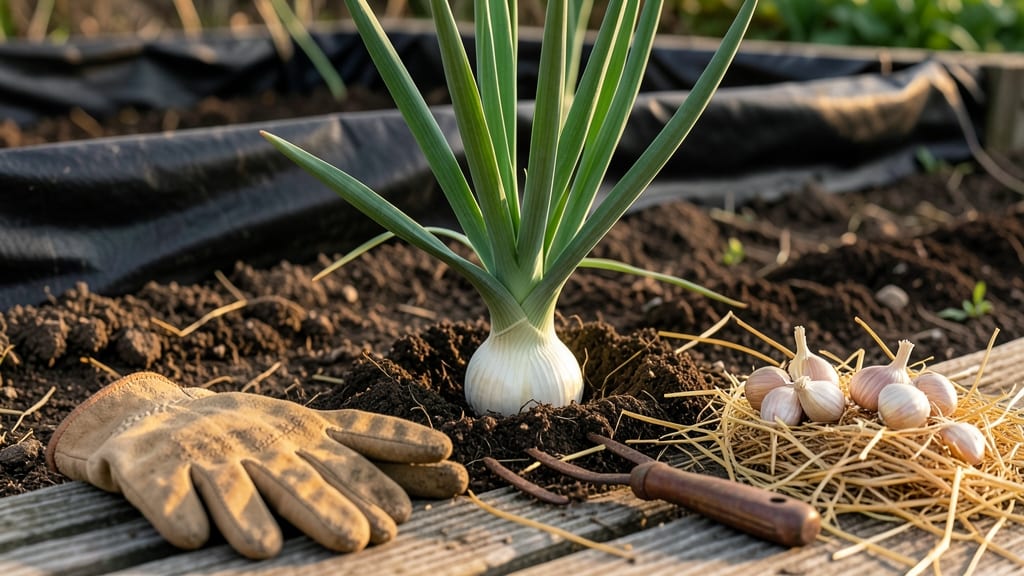
Planting garlic in Adelaide at the right time could mean the difference between a bountiful harvest of plump bulbs and a disappointing crop. With the city’s unique 8a climate, timing your 🧄 planting between April and May ensures optimal growth before winter sets in.
Why does timing matter so much? Garlic thrives in cooler temperatures and needs a long growing season to develop properly. Planting too early risks frost damage, while waiting too long may result in smaller bulbs.
The key is to get those cloves in the ground 4-6 weeks before the first frost—typically around mid-May in Adelaide.
In this guide, I’ll walk you through the exact steps to prepare your soil, choose the right varieties, and avoid common mistakes that could ruin your harvest. Whether you’re a beginner or a seasoned gardener, these tips will help you grow garlic that’s flavorful and abundant.
Let’s dive into the best practices for planting garlic in Adelaide’s climate so you can enjoy homegrown 🧄 come harvest season.
Best autumn planting months for garlic in Adelaide’s climate zones
Adelaide’s USDA Zone 8a climate offers a narrow but critical window for planting garlic—typically between mid-April and mid-May. This timing ensures your cloves establish roots before winter chills set in, while avoiding the heat of late summer.
For hardneck varieties (like Rocambole or Silverskin), aim for early April to maximize bulb size, while softneck varieties (like Artichoke) can tolerate slightly later planting until early June.
The key is planting 4-6 weeks before the first frost, which usually hits Adelaide around mid-June. In the Adelaide Metropolitan area, this means starting in late March if you’re eager, but April is ideal for most gardeners.
The Adelaide Hills experience cooler nights, so push planting to early April to avoid early frosts. Southern regions like McLaren Vale can extend planting until mid-May due to milder winters.
Soil temperature is your best indicator—wait until the ground cools to 10-15°C (50-59°F). Use a soil thermometer or check by hand: if the soil feels cool but not freezing, it’s time to plant.
In Adelaide’s alkaline soils (pH 7.5-8.5), this usually aligns with late April, when daytime highs drop below 20°C (68°F).
Avoid planting garlic in March unless you’re in a warmer microclimate like Glenelg. Early planting risks premature sprouting and weak bulb development. Similarly, planting after June delays maturity, reducing yield quality.
For urban gardeners with limited space, container planting can extend the window slightly, but still prioritize April-May for best results.
🌱 Adelaide Garlic Planting Timeline by Region
| Region | Ideal Planting Window | Key Considerations | Soil Temp Threshold |
|---|---|---|---|
| Metropolitan Adelaide | Late March - Mid-May | Moderate frost risk; prioritize April | 10-15°C (50-59°F) |
| Adelaide Hills | Early April - Early May | Cooler nights; higher frost risk | 8-12°C (46-54°F) |
| Southern Adelaide (McLaren Vale) | Mid-April - Mid-May | Milder winters; extends window | 12-16°C (54-61°F) |
| Urban Containers | Late April - Early June | Slower warming; monitor soil closely | 10-14°C (50-57°F) |
🌡️ Pro Tip: Use a soil thermometer to confirm readiness—garlic roots need consistent cool temps to establish.
For hardneck varieties, planting in early April gives bulbs enough time to mature before Adelaide’s spring heat peaks in November. Softnecks, like Silverskin, are more forgiving and can handle late April to early May planting.
If you’re unsure, hardnecks are the safer bet for beginners—they’re more cold-tolerant and produce larger bulbs in Adelaide’s climate.
Watch your weather forecasts in late March—if a heatwave is predicted, delay planting until temperatures stabilize. The Bureau of Meteorology’s Adelaide forecast is your best friend here. In my own garden, I’ve found that planting on a cool, overcast day reduces stress on cloves and improves early growth.
Avoid planting after rain, as soggy soil can lead to rot.
If you miss the April-May window, don’t despair—you can still plant garlic in June, but expect smaller bulbs. For a second harvest, try spring planting in September, though this is less common in Adelaide due to summer heat.
Focus instead on autumn planting for the best flavor and yield. Remember, garlic planted in autumn matures in spring, aligning perfectly with Adelaide’s growing season.
One final tip: Label your garlic beds immediately after planting. Adelaide’s
Signs your garlic is ready to plant in Adelaide (and what to do next)
Adelaide’s unpredictable autumn weather means you can’t rely solely on the calendar to plant garlic. Instead, watch for these three key signs that your garden is ready for cloves to hit the soil. The first is soil temperature—it should consistently sit between 10°C and 15°C (50°F–59°F) during the day.
Use a soil thermometer to check, especially in the Hills where frosts arrive earlier. In the city, wait until late April to avoid heatwaves that can stress young cloves.
Next, examine your garlic cloves for firmness and size. Discard any that feel soft, shriveled, or have sprouted more than 1/4 inch of green shoot. Store-bought cloves often arrive too early—opt for plump, firm bulbs from a local nursery or last year’s harvest.
If your cloves are already sprouting, plant them immediately, as they’ll establish roots faster in cooler soil.
Finally, check the weather forecast for the next 10 days. Aim to plant when rainfall is predicted within 2–3 weeks—this ensures moisture for root establishment. In Adelaide’s dry autumns, mulch heavily after planting to retain humidity.
If a cold snap below 5°C (41°F) is forecast within 48 hours of planting, delay until conditions stabilize.
⚠️ Late Planting Warning
Planting garlic after mid-June in Adelaide risks small bulbs and poor flavor. If you miss autumn, try spring planting (August–September) for hardneck varieties, but yields will be 30–50% smaller than autumn-planted garlic. Urban gardeners can use containers with heat-retentive materials like bricks to extend the window by 2–3 weeks.
For urban Adelaide gardeners with limited space, container growing is a great backup. Use pots at least 12 inches deep with drainage holes, filling them with a mix of compost, coconut coir, and perlite.
Plant cloves in a south-facing spot (or under grow lights) to maximize sunlight. Containers warm up faster than soil, so plant 1–2 weeks later than ground-planted garlic to avoid heat stress.
Once planted, focus on minimal disturbance—garlic thrives on routine. Water deeply once a week (more in containers) and avoid fertilizing until spring regrowth appears. In Adelaide’s alkaline soils, a light application of sulfur (1 tbsp per square meter) before planting can improve bulb quality.
Mulch with straw or lucerne hay to suppress weeds and retain moisture through Adelaide’s dry autumns.
Pro tip: Mark your garlic rows with biodegradable flags or pebbles—Adelaide’s unpredictable winds can bury or expose plants overnight. If you’re unsure about timing, err on the side of planting slightly late rather than early.
Garlic planted in cool but frost-free soil will develop larger bulbs than cloves forced into warm autumn conditions too soon.