
Plants
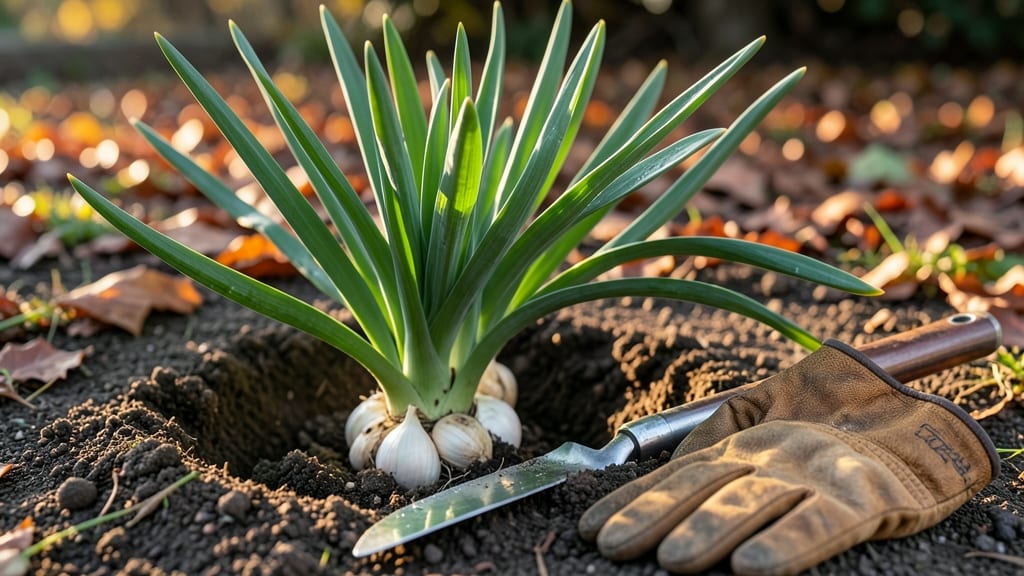
Knowing when to plant garlic in Zone 8b could mean the difference between a thriving crop of plump bulbs and wasted effort—especially for hardneck varieties that rely on winter chilling to form properly.
In Zone 8b, where mild winters and late frosts are the norm, timing your garlic planting just right is critical. We’re talking about a narrow window between October and November—when soil temps drop to that sweet spot of 40-50°F and before the ground freezes solid.
Get it wrong, and you might end up with weak growth or no harvest at all.
But here’s the good news: with the right approach, you can grow hardneck garlic that produces both flavorful bulbs and those prized scapes. I’ll walk you through the exact steps—from choosing the right variety to preparing your soil and knowing when to pull those cloves from the ground next summer.
Whether you’re a first-time gardener or looking to refine your technique, this guide will help you avoid common mistakes and maximize your harvest. Let’s get those cloves in the ground at the perfect time!

Zone 8B fall planting deadline for garlic: exact dates and moon phases
In Zone 8B, where winters are mild but still cold enough for hardneck garlic, timing your planting is critical. You have just a 4-6 week window before the ground freezes—typically between mid-October and early November.
This timing ensures garlic gets the 40-50°F soil temperatures needed to develop strong roots before winter dormancy.
Miss this window, and your garlic may not survive the winter or produce quality bulbs. Zone 8B’s last frost date usually falls around December 15, so aim to plant garlic 6 weeks before that.
For example, if your last frost is December 15, plant by November 1 to be safe.
Many gardeners also align planting with the moon phases, particularly the waxing moon for root crops like garlic. The full moon in October often marks a perfect time to plant, as it boosts root development during the bulb-forming stage.
🌱 Zone 8B Garlic Planting Timeline
| Stage | Action | Key Notes |
|---|---|---|
| Soil Prep | Test pH (6.0-7.0), amend with compost | Do this by mid-September |
| Planting Window | Mid-October to early November | Avoid planting after November 15 |
| Winter Chill | 6-8 weeks below 40°F | Critical for hardneck varieties |
| Scape Removal | Late April to May | Encourages bulb growth |
| Harvest Time | June to July (next year) | When lower leaves turn brown |
If you’re unsure about your exact last frost date, check local weather records or use a frost calendar for your specific location in Zone 8B. For example, Los Angeles typically has its last frost around January 15, while Phoenix may not freeze at all—but hardneck garlic still needs cold stratification to form bulbs.
Pro tip: Use a soil thermometer to confirm temperatures are below 50°F before planting. If soil temps are still warm, wait a few days—garlic cloves won’t sprout until conditions are right.
For hardneck varieties, like ‘German Red’ or ‘Silverskin’, the 4-6 week chill period is non-negotiable. Softnecks, like ‘Artichoke’, are more flexible but still benefit from early planting. I’ll cover variety differences in the next section!
Don’t forget to mulch heavily after planting—use straw or leaves to insulate bulbs and retain moisture. This is especially important in Zone 8B’s mild winters, where temperatures can fluctuate unpredictably.
Finally, mark your calendar for April-May when scapes (the curly garlic stalks) emerge. Removing them redirects energy to bulb growth—another key step for a successful harvest!
Hardneck vs softneck garlic in Zone 8B: which variety needs earlier planting?
Zone 8B’s mild winters make garlic planting a balancing act—especially when choosing between hardneck and softneck varieties. Hardnecks like 'Silverskin' or 'Purple Stripe' need 2-3 weeks earlier planting because they rely on cold winters to form bulbs.
Softnecks, such as 'Artichoke' or 'California Early', are more forgiving but still benefit from early starts.
Hardnecks thrive in Zone 8B’s 40-50°F soil for 6-8 weeks before winter dormancy. Softnecks, however, can tolerate slightly warmer soils and may handle late fall plantings better. The trade-off? Hardnecks produce scape shoots (edible stems) in spring, while softnecks don’t.
For Zone 8B, aim to plant hardnecks by mid-October and softnecks by late October to early November. This timing ensures hardnecks get enough cold exposure, while softnecks avoid winter stress. Both varieties need well-draining soil and full sun, but hardnecks are more sensitive to timing.
Hardneck vs Softneck Garlic in Zone 8B
| Feature | Hardneck | Softneck |
|---|---|---|
| Planting Window | Mid-October | Late Oct-Early Nov |
| Cold Requirement | 6-8 weeks below 40°F | 4-6 weeks below 50°F |
| Scape Production | Yes (edible) | No |
| Bulb Storage | Short-term (3-4 months) | Long-term (6-12 months) |
| Best For | Fresh use, scapes | Storage, braiding |
If you’re growing garlic for scape harvests in spring, hardnecks are the clear winner. Their flower stalks emerge in late spring and can be snipped for flavorful greens.
Softnecks, while easier to store, lack this bonus harvest. For Zone 8B’s shorter winters, hardnecks also need earlier planting to avoid bulb development issues.
Pro tip: Plant a mix of both varieties! Use hardnecks for early spring scapes and softnecks for long-term storage. Just remember—hardnecks demand precision in timing, while softnecks offer more flexibility. Zone 8B’s mild climate means you can experiment, but don’t wait past mid-November for either type.
For extra insurance, test your soil’s cold tolerance with a soil thermometer in late fall. If temps stay above 50°F for too long, hardnecks may not form properly. Adjust planting dates accordingly to match your microclimate.