
Plants
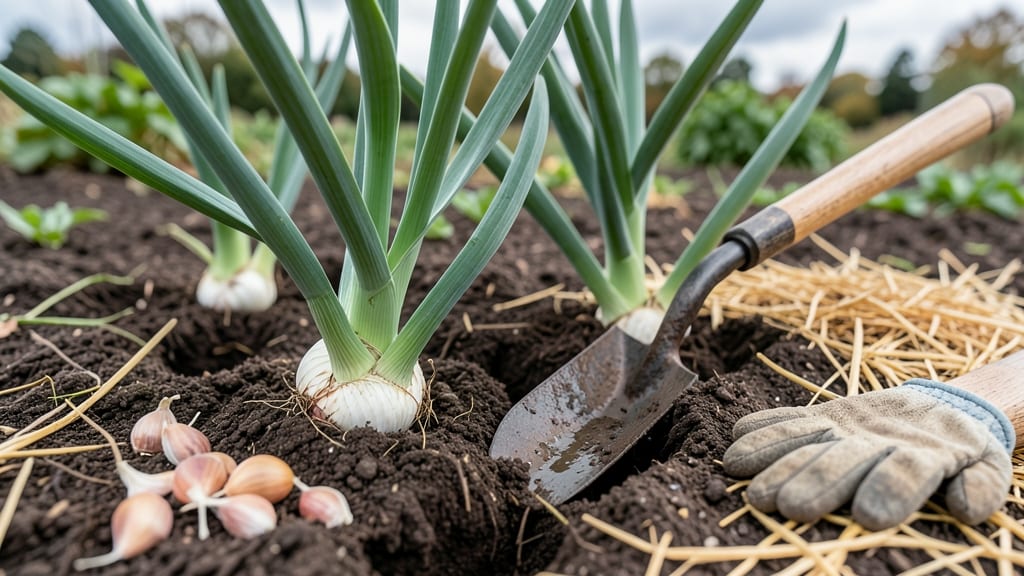
Timing your 🧄 garlic planting in Connecticut isn’t just about the calendar—it’s about beating the first frost before the ground freezes solid. Plant too early, and your cloves might rot; too late, and you’ll miss the 6a zone’s narrow window for success.
The key lies in understanding Connecticut’s microclimates, from the chilly highlands to coastal areas where frost arrives later.
Most gardeners in Connecticut get it right by planting between October 1 and November 15, but that’s not a one-size-fits-all rule. Urban heat islands can push your window later, while high-altitude spots like Torrington demand an earlier start.
The goal? Get those cloves in the ground 4–6 weeks before the soil hits freezing—usually by mid-November for most of the state.
Why does this matter? Because garlic planted at the wrong time won’t just underperform—it might not survive at all. Connecticut’s unpredictable winters mean even a 2-week delay can turn your harvest from plentiful to pathetic.
Let me show you how to read your local frost dates, adjust for your specific corner of the state, and set yourself up for bulbs so big they’ll make your neighbors jealous.
Ready to master the art of garlic timing? I’ll walk you through the exact dates, soil prep secrets, and even backup plans if you miss the fall window. No guesswork—just a foolproof system for Connecticut’s climate.
Connecticut garlic planting timeline: exact dates by frost Zone
Connecticut’s Zone 5-6 climate creates a tight window for planting garlic, where timing directly impacts bulb size and harvest success. Unlike warmer regions, garlic here requires cold stratification—a dormant period under winter conditions—to develop properly. Missing this window can lead to weak growth or no harvest at all.
Most Connecticut gardeners focus on fall planting (October–November), but winter options exist if you miss the deadline. The key is aligning your planting with average frost dates, which vary by region. For example, western CT (Zone 5) freezes earlier than eastern CT (Zone 6), so adjust accordingly.
| Zone (CT Region) | First Frost Date (Avg.) | Planting Window (Fall) | Winter Planting Option (If Missed) | Key Consideration |
|---|---|---|---|---|
| Zone 5 (Litchfield, Hartford, New Haven) | Mid-October | October 1–15 | January 1–15 (with snow cover) | Soil must be workable (40°F+) |
| Zone 6 (New London, Norwich, Stonington) | Late October | October 15–31 | February 1–15 (with mulch) | Avoid planting after November 15 |
📅 Pro Tip: Use Albion or German White varieties—they thrive in CT’s climate.
For Zone 5 gardeners, the October 1–15 window is critical. Planting after mid-October risks bulbs sprouting too early in spring, leading to smaller harvests. If you miss this window, winter planting (January) with snow cover can still work—just ensure soil stays below freezing for at least 60 days.
In Zone 6, you have slightly more flexibility—planting through late October is safe. However, avoid planting after November 15, as bulbs won’t mature properly. If you’re in coastal areas like New London, expect slightly later frost dates, giving you a 1–2 week extension.
One common mistake is relying on calendar dates instead of soil temperature. Use a soil thermometer to confirm soil is 40°F or warmer before planting.
Cold soil causes rot and poor root development. If soil is too cold, wait 1–2 weeks or use black plastic mulch to warm it faster.
Garlic planted in fall will sprout in early spring (March–April) and mature by July–August the following year. This 12–14 month growth cycle is non-negotiable—don’t expect summer-planted garlic to thrive in Connecticut’s climate. The cold winter months are essential for bulb formation.
If you’re new to garlic growing, start with hardneck varieties, which handle Connecticut’s winters better than softneck types. Rockville and Silverskin are reliable choices for beginners. For larger bulbs, try German Extra Hardy, a favorite among CT gardeners for its cold tolerance.
Remember: Timing is everything in Connecticut. Plant too early, and bulbs may sprout prematurely. Plant too late, and they won’t mature. Use this frost-date cheat sheet as your guide, and you’ll be on track for a bountiful harvest next summer. 🧄
How to adjust garlic planting dates for Connecticut’s microclimates
Connecticut’s diverse landscapes mean frost dates vary by region, and your local microclimate can shift planting windows by weeks. Urban areas, high-altitude zones, and coastal regions all behave differently—so don’t assume a one-size-fits-all approach works for your garden.
For example, Hartford’s urban heat island stays warmer longer than rural Torrington, while New London’s coastal breezes can delay frost. Understanding these nuances helps you extend your planting window or avoid risky late-season attempts. Let’s break down how to adjust for your specific location.
🌱
Soil in cities stays 5–10°F warmer than rural areas. Delay planting by 2–3 weeks (aim for October 15–30) to avoid overheating before winter. Monitor soil temps with a thermometer—ideal range is 40–50°F.
Cooler microclimates at 1,000+ feet elevation experience frost 1–2 weeks earlier. Plant 1 week sooner (target September 25–October 5) to ensure bulbs establish before early freezes. Use hardneck varieties like ‘German White’ for better cold tolerance.
Salt spray and delayed frost (often November 1–15) give you a 3-week extension. Plant October 15–November 1, but mulch heavily with straw (6–8 inches) to protect from winter winds. Avoid softneck varieties—they struggle with coastal humidity.
Valleys trap cold air and frost forms earlier than surrounding hills. Plant 2 weeks before your zone’s average date (e.g., September 25–October 5 for Zone 6). Choose early-maturing varieties like ‘Silverskin’ to compensate for the shorter growing season.
Pro tip: Use the National Weather Service’s frost maps for your town to pinpoint local trends. For example, Waterbury’s frost date often aligns with Zone 5b, while Norwich’s leans toward Zone 6a. Adjust your schedule accordingly to maximize bulb size and minimize rot risk.
If you’re still unsure, test your soil temperature with a digital thermometer—garlic cloves need consistent temps above 40°F to root properly. A 5-day forecast predicting below-freezing temps within 3 weeks? It’s time to plant, even if it’s early October.
✂️