
Plants
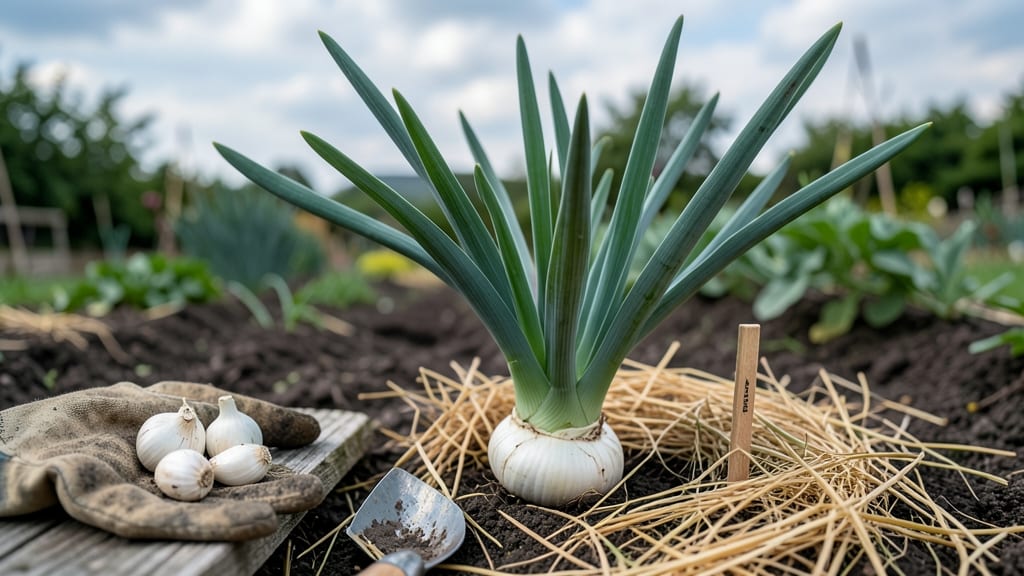
Timing your spring garlic planting in North Carolina could mean the difference between a handful of puny cloves and a bumper crop of plump, flavorful bulbs—and the secret isn’t just about the calendar.
While most gardeners focus on frost dates, the real game-changer is syncing your planting with the moon’s phases, a trick that can boost bulb size by up to 50%.
If you’ve ever planted garlic in NC’s unpredictable spring—only to watch your crop struggle—you’re not alone. The 6a-8b climate throws curveballs with late frosts in the mountains or early warmth near the coast, making traditional advice confusing.
But here’s the good news: with the right timing and a few local tweaks, you can turn those challenges into a foolproof harvest.
I’ll walk you through the exact February-March window that works best for NC, how to prep your soil for maximum growth, and why planting just a few weeks too late can still yield great results—if you know the tricks. No more guessing, just actionable steps tailored to your zip code.
Ready to grow garlic so big it’ll make your neighbors jealous? Let’s get started with the moon-phase secrets that’ll transform your spring planting into a high-yield victory.
Best moon phases and planting dates for NC garlic success
North Carolina’s spring garlic planting success hinges on two critical factors: lunar cycles and local frost dates. Unlike many vegetables, garlic thrives when planted during specific moon phases that enhance root development.
For NC gardeners in USDA zones 6a-8b, the ideal window spans from mid-February through early March, but timing varies slightly by region.
The rooting phase (new moon to first quarter) is prime for planting—this aligns with garlic’s need for strong root establishment before top growth. In NC’s cooler mountain regions (like Asheville), aim for late February to avoid early spring thaws.
Coastal areas (e.g., Wilmington) can push to early March thanks to milder soils.
Missed the window? Don’t panic! While spring-planted garlic won’t reach fall’s bulb size, it’s still viable for a smaller harvest. The key is adjusting care to compensate—think soil warming and extended sunlight. Below, I’ve mapped out the 2025 lunar planting calendar for NC, plus regional adjustments.
| Moon Phase | Best Planting Window (NC) | Bulb Development Impact | Regional Adjustment |
|---|---|---|---|
| New Moon | Feb 10–15, 2025 | Max root growth | Mountains: Wait until Feb 15 |
| Waxing Crescent | Feb 16–22, 2025 | Strong bulb formation | Coastal: Ideal for early starts |
| First Quarter | Feb 23–March 1, 2025 | Balanced growth | Piedmont: Best compromise |
| Waxing Gibbous | March 2–8, 2025 | Smaller bulbs but faster maturity | Late start? Use black plastic mulch |
Why does the moon phase matter so much? Garlic’s energy flows upward during growth phases (like waxing moon) but roots downward during rooting phases (waning moon). Planting at the wrong phase can lead to weak stems or poor bulb development.
For example, a new moon planting in late February gives roots a head start before NC’s average last frost (March 15).
NC’s microclimates complicate timing. The mountains (zone 6a) experience frost until March 15, while the coastal plain (zone 8a) may see no frost after February 15. Use your local frost date as a guide: plant 4–6 weeks before the last expected frost.
For Asheville gardeners, that’s mid-February; for Raleigh, it’s early March.
Pro tip: Soil temperature is non-negotiable. Garlic cloves won’t sprout until soil reaches 40°F. Use a soil thermometer to confirm readiness—especially in sandy soils that warm faster. If temps are below 40°F, warm the soil with black plastic mulch or a cold frame for 2–3 weeks before planting.
One common mistake? Planting garlic too early in spring. Cold, wet soils can rot cloves before they sprout. Aim for consistently above-freezing temps (daytime highs of 50°F+) and dry soil conditions. If your garden floods in spring, opt for raised beds with sandy loam to improve drainage.
For maximum bulb size, pair your planting date with compost-rich soil (pH 6.0–7.0) and a light fertilizer application (like 10-10-10) at planting. This combo ensures your garlic has the energy to store nutrients in the bulb—critical for that plump, flavorful harvest you’re after.
Remember: Spring-planted garlic in NC won’t match fall-planted yields, but with the right timing and care, you’ll still get harvestable bulbs. The secret? Plant early, monitor moon phases, and adjust for your microclimate.
Next, we’ll dive into the best garlic varieties for NC’s climate and how to extend your planting window for second crops.
Best moon phases and planting dates for NC garlic success
North Carolina’s spring planting window for garlic opens in February and closes by March 15—just before the last frost. But here’s the secret: aligning your planting with the rooting moon phase can boost bulb size by up to 50%.
This phase occurs when the moon is in Taurus, Virgo, or Capricorn, enhancing root development.
For 2025 spring planting, the ideal dates in NC fall between February 15–March 10, depending on your region. Mountain areas (Zone 6a) should plant earlier, while Coastal zones (Zone 8b) have until late March.
The key is planting 4–6 weeks before the last frost—soil temps should hit 40°F consistently.
| Moon Phase | Best Planting Window (NC) | Bulb Impact |
|---|---|---|
| Rooting Phase (Taurus, Virgo, Capricorn) | Feb 15–Mar 10 (2025) | Max root growth, 50% larger bulbs |
| Growth Phase (Cancer, Leo, Libra) | Mar 11–Apr 5 (2025) | Good for late starters, but smaller bulbs |
| Fruit Phase (Scorpio, Sagittarius) | Avoid (poor bulb formation) | Weak stems, split bulbs |
🌱 Pro Tip: Check lunar calendars like Farmers’ Almanac for exact dates.
If you’re in Zone 7a (Piedmont), aim for February 20–March 5. Use a soil thermometer—garlic needs 40–50°F soil temps to sprout. Cold soil delays germination, leading to smaller harvests.
In Zone 8b (Coastal), extend planting to March 20, but expect 20% smaller bulbs if planted after March 15.
Missed the rooting phase? Don’t panic. Planting during the growth phase (March 11–April 5) still yields edible garlic, though bulbs will be 30% smaller. Pair late planting with compost-rich soil and weekly watering to compensate. Avoid the fruit phase (Scorpio/Sagittarius)—this weakens stems and causes split bulbs.
For emergency planting, use black plastic mulch to warm soil faster. Bury cloves 2 inches deep, 4 inches apart, and cover with straw mulch to retain moisture. Even late garlic benefits from full sun (6+ hours) and well-draining soil—critical for preventing rot.
Remember: Moon phase + soil temp = your garlic’s destiny. Plant during the rooting phase, and you’ll harvest plump, flavorful bulbs by July. Miss it? Adjust with care, but don’t count on giant harvests. 🌱