
Plants
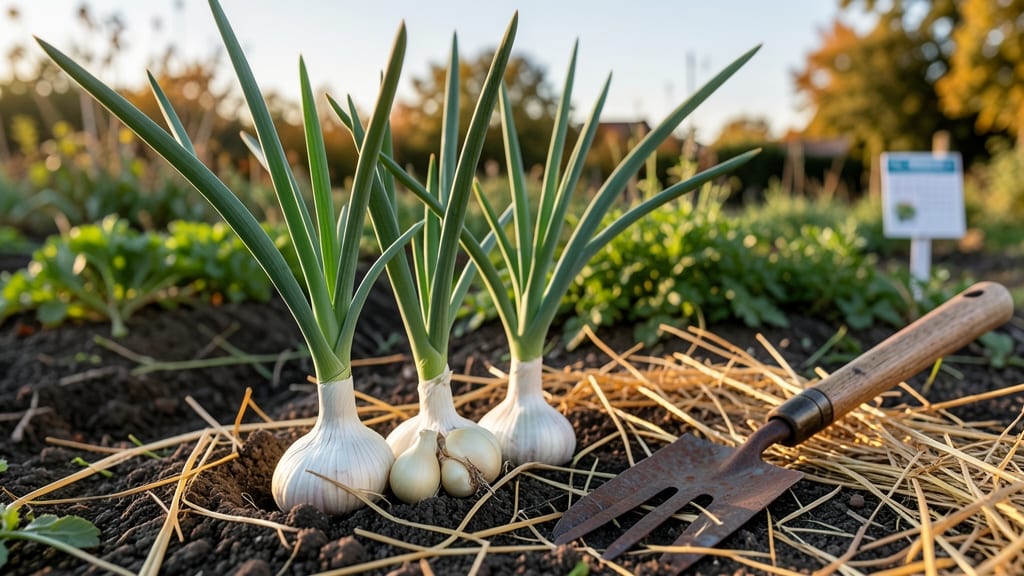
Timing your garlic planting in Seattle is the key to avoiding frost damage and growing plump, flavorful bulbs—because getting it wrong means tiny cloves or no harvest at all. With USDA Zone 8a winters and unpredictable Pacific Northwest weather, knowing when to plant 🧄 isn’t just helpful—it’s essential for success.
Most gardeners in Seattle plant garlic between October and November, but the exact window depends on your microclimate and frost dates. Plant too early, and your cloves might sprout before winter; too late, and they won’t establish roots before the ground freezes.
I’ll break down how to calculate your perfect planting date—plus tips for protecting your crop if an early frost sneaks in.
You’ll also discover which garlic varieties thrive best in Seattle’s cool, wet climate and how to prep your soil for maximum bulb development. Whether you’re a first-time planter or a seasoned gardener, these strategies will help you grow garlic that’s hardier and more productive than ever.
Let’s dive into the exact steps to plant garlic in Seattle—so you can enjoy a bountiful harvest next summer without the guesswork.
Seattle’s ideal garlic planting window: months and frost-free strategies
Seattle’s USDA Zone 8a climate creates a unique challenge for garlic growers—cool, wet winters and unpredictable frost patterns demand precise timing. Unlike warmer climates, hardneck garlic thrives in Seattle’s chilly winters, but planting too early risks frost damage to emerging shoots, while planting too late stunts bulb development.
The ideal window balances these factors perfectly.
For Seattle gardeners, mid-October to early November is the sweet spot. This timing ensures cloves establish roots before winter dormancy but avoids the first hard frost (typically November 15).
Hardneck varieties, like 'German White' or 'Silverskin', perform best because they require cold vernalization—a process where garlic bulbs need winter chill to form properly.
Softneck varieties, though popular in milder climates, struggle in Seattle’s wet winters and often rot. The key is planting 4-6 weeks before the ground freezes.
In Seattle, this usually means October 1-15, but always check your local frost dates—urban areas like Ballard may freeze earlier than rural areas near Snoqualmie.
Timing isn’t just about frost—it’s also about daylength and bulb formation. Garlic bulbs begin forming in late winter when daylight increases. Planting too late delays this process, resulting in smaller yields. Conversely, early planting risks premature sprouting in wet soil, leading to rot.
Here’s how to calculate your perfect planting window:
- Find your average first frost date (Seattle: November 15).
- Subtract 6-8 weeks for root establishment.
- Adjust 1-2 weeks earlier for urban areas with colder microclimates.
- Plant hardneck varieties only—they’re cold-hardy and flavorful.
Seattle’s rainy winters add another layer of complexity. Well-draining soil is critical—garlic hates soggy conditions. Amend your beds with compost and coarse sand to improve drainage. If your soil stays wet for long periods, consider raised beds or slightly elevated planting spots.
One common mistake? Planting store-bought garlic from the grocery store. These cloves are often treated to prevent sprouting and won’t produce reliable bulbs. Instead, source organic, untreated seed garlic from local nurseries like Seattle Tilth or online suppliers specializing in PNW varieties.
A pro tip: Use mulch heavily after planting (straw or leaves work well). This insulates the soil, protects against temperature fluctuations, and suppresses weeds. In Seattle’s damp climate, mulch also prevents cloves from rotting if rains persist.
Finally, remember that harvest timing is just as critical as planting. In Seattle, you’ll harvest in late July to August of the following year—when lower leaves turn brown and papery. But that’s a story for another section!
🌱
| Factor | Seattle-Specific Guidance | Why It Matters |
|---|---|---|
| Planting Window | Mid-October to early November | Balances root growth before frost and bulb formation timing. |
| Frost Dates | First frost: Nov 15; last frost: Oct 15 | Plant 4-6 weeks before first frost for root establishment. |
| Garlic Type | Hardneck varieties only (e.g., 'German White') | Softneck varieties rot in Seattle’s wet winters. |
| Soil Prep | Well-draining, amended with compost | Prevents rot in Seattle’s rainy climate. |
| Mulching | Heavy straw/leaf mulch after planting | Insulates soil, protects from temperature swings. |
| Microclimate Adjustments | Urban areas: plant 1-2 weeks earlier | Urban heat islands freeze faster than rural areas. |
Now that you’ve got the timing down, let’s tackle microclimate adjustments in the next section—because not all of Seattle freezes at the same time! Urban areas like Capitol Hill can be 5°F colder than West Seattle due to wind exposure and concrete heat absorption differences.
🌿
How to adjust planting dates for Seattle’s microclimates and frost risks
Seattle’s climate varies dramatically from urban neighborhoods to rural areas near the Cascades. Urban gardens in zones like Ballard or Fremont may experience earlier frosts due to heat island effects, while rural areas like Carnation or Woodinville might delay frost by 2-3 weeks. Always check your local frost dates—Seattle’s average last frost is mid-October, but urban areas can see frost as early as late September. Adjust your planting window accordingly to avoid premature frost damage to young cloves.⚠️ Frost Warning: Don’t Plant Too Early!
If you plant garlic before mid-October, tender shoots may emerge only to be killed by early frost. Aim to plant 4-6 weeks before the ground freezes—this typically lands in late October for most of Seattle.
Use a soil thermometer to confirm the ground is below 40°F before planting.
To extend your planting window, use protective measures like mulch (straw or leaves) or row covers (lightweight fabric). Mulch insulates the soil, keeping cloves consistently cold (40-50°F) without freezing. Row covers can push back frost by 2-4 weeks, giving you flexibility if you miss the ideal window. Just For container gardening, plant garlic in deep pots (at least 12 inches deep) and move them to a sheltered location (like a garage or under a porch) if frost is forecasted. Containers warm up faster than ground soil, so they’re riskier—plant containers 1-2 weeks later than in-ground beds. Always use well-draining soil to prevent root rot, a common issue in Seattle’s damp winters.🌱 Pro Tip: Test Your Soil First!
Before planting, test your soil’s pH—garlic thrives in slightly acidic soil (6.0-7.0). Seattle’s natural soil is often too acidic (below 6.0), which stunts bulb growth. Amend with lime if needed, but do this 4-6 weeks before planting to avoid burning cloves.
If you’re in a microclimate with delayed frost (like near Puget Sound), you can plant as late as early December. However, bulb formation starts in spring, so late plantings may yield smaller bulbs. For maximum harvest size, stick to the October-November window and focus on soil prep—garlic loves loose, well-draining soil rich in organic matter. Work in compost or aged manure before planting to give cloves a nutrient boost without over-fertilizing. Finally, monitor weather forecasts in the weeks leading up to planting. If a hard freeze is predicted, delay planting until conditions stabilize. Garlic cloves are hardy, but sprouting shoots are not—wait until the soil is cold but not frozen for the best results. With these adjustments, you’ll avoid frost risks and set your garlic up for a successful harvest next summer! 🌿