
Plants
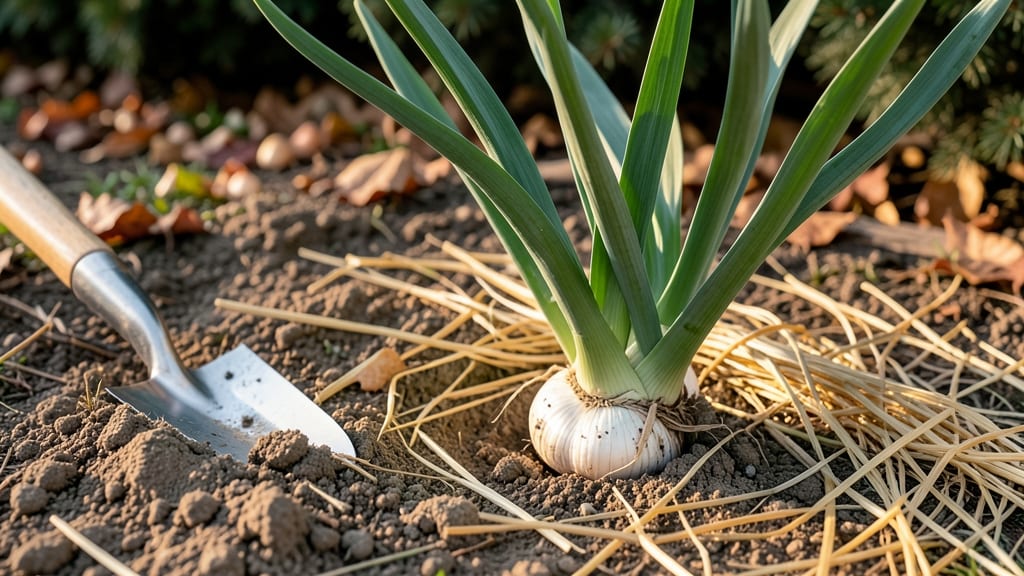
If you're wondering when to plant garlic in Ontario, Canada, timing is everything—especially with hardneck varieties that thrive in our cold climate. Plant too early, and frost might damage your cloves; too late, and you’ll miss the sweet spot for strong bulb development.
The key is planting between October and November, when soil temps dip but haven’t frozen solid.
Ontario’s 5a-6b hardiness zones make fall planting ideal, giving garlic time to root before winter dormancy. Unlike spring-planted garlic, fall garlic develops larger, more flavorful bulbs by next summer. But don’t stress if you miss the window—we’ll cover adjustments for late starters and how to prep your soil for success.
What sets Ontario garlic growers apart is their ability to work with frost. By planting 4-6 weeks before the ground freezes, you ensure strong root establishment before winter.
I’ll walk you through soil prep, clove selection, and regional tweaks to maximize your harvest—because in Canada, a little planning goes a long way.
Ready to grow bold, hardy garlic that tastes like home? Let’s break down the exact steps to time your planting perfectly, from soil temperature checks to frost-resistant varieties. Your future harvest starts now—no guesswork required.
Ontario’s best planting months for hardneck garlic: frost-resistant timeline explained
Ontario’s climate—with its cold winters and short growing seasons—makes timing critical for garlic success. Unlike warmer regions, Ontario gardeners rely on fall planting to establish roots before winter dormancy.
Hardneck varieties, like 'Silverskin' or 'German Red', thrive in these conditions, but planting too early risks frost damage, while late planting may not yield mature bulbs by harvest.
The ideal window spans October to mid-November, aligning with soil temperatures dropping below 10°C (50°F) and before the first hard frost. This 4-6 week window ensures roots form but bulbs remain dormant through winter.
Southern Ontario (zones 6a-6b) can plant slightly later, while northern areas (zone 5a) should aim for earlier dates.
For mild winters, like those in Niagara or London, December planting may work, but bulbs will be smaller. Conversely, early freezes (like in Northern Ontario) demand September planting—though this risks smaller harvests due to less winter hardening.
Always check your local frost-free date (typically mid-December in most regions).
Here’s how Ontario’s climate zones influence timing:
| Zone | Ideal Planting Window | Soil Temp Goal | Notes |
|---|---|---|---|
| 5a (Northern ON) | Late September–early October | Below 10°C (50°F) | Plant early to avoid early freezes. |
| 6a (Central ON) | Mid-October–November 1 | Below 10°C (50°F) | Standard window for most gardeners. |
| 6b (Southern ON) | October 15–November 15 | Below 8°C (46°F) | Later planting possible; bulbs may be smaller. |
Adjust your timing based on soil conditions. Test soil moisture—it should be cool but workable, not soggy. If rain delays planting, cover cloves with straw mulch to prevent drying.
For container gardening, plant in October and move pots to a sheltered spot to protect roots from extreme cold.
Pro tip: Use a moon planting calendar for root crops like garlic. Planting during the waning moon (after the full moon) in Taurus or Virgo signs can enhance root development. Pair this with compost-rich soil (pH 6.0–7.0) for optimal bulb formation.
If you miss the fall window, spring planting is possible but risky. Plant in April as soon as soil thaws, but expect smaller bulbs due to less winter hardening. This method works best for softneck varieties, which are less cold-hardy than hardnecks.
Monitor your garden’s microclimate. Areas near lakes or buildings may stay warmer longer, delaying frost. Use a soil thermometer to confirm temperatures—aim for 4–10°C (39–50°F) at planting depth (2 inches). In unpredictable years, opt for early October planting to hedge against late freezes.
Remember: Garlic planted in fall grows 60% larger than spring-planted varieties in Ontario’s climate. The key is cold stratification, where winter chilling triggers bulb development. With the right timing, you’ll harvest plump, flavorful bulbs by July or August—just in time for fresh summer recipes! 🧄
Ontario’s best planting months for hardneck garlic: frost-resistant timeline explained
Ontario’s climate—with its early frosts and short growing seasons—demands precise timing for garlic planting. Hardneck varieties, like ‘Music’ or ‘German White’, thrive here because they need cold winters to form bulbs.
But planting too early risks frost damage, while late planting means smaller yields. The ideal window is 4-6 weeks before the ground freezes, typically mid-October to early November.
In USDA Zones 5a-6b, most of Ontario experiences its first hard frost between mid-October and early November. To maximize bulb development, plant garlic when soil temperatures drop to 10°C (50°F) but before the ground freezes solid.
This cold period triggers bulb formation, ensuring larger harvests the following summer. If you miss the fall window, you can try early spring planting, but yields may be smaller.
| Stage | Action | Notes |
|---|---|---|
| Soil Prep | Test soil pH (6.0-7.0) | Add compost for drainage |
| Planting Window | Mid-October to early November | 4-6 weeks before frost |
| Clove Depth | 2 inches deep | Pointy end up |
| Spacing | 4-6 inches apart | Rows 12 inches apart |
| Mulching | Straw or leaves | 3-4 inches thick |
Adjust your planting schedule based on your specific region in Ontario. Southern areas like London or Windsor may have slightly later frost dates, while northern regions like Sudbury or Thunder Bay freeze earlier. Use a soil thermometer to confirm when temperatures drop to 10°C (50°F).
If you’re unsure, err on the side of planting earlier—garlic can handle light frosts once established, but soggy soil will stunt growth.
For gardeners in mild-winter zones, like parts of Zone 6b, you might extend planting into early December. However, avoid planting after the ground freezes, as garlic won’t sprout until spring.
If you’re late, consider container growing—small pots can be moved to a sheltered spot or even indoors during extreme cold snaps. Just ensure they’re back in full sun once temperatures rise.
Remember, garlic planted in fall will sprout in early spring and mature by July or August of the following year. The longer the garlic grows in Ontario’s cool climate, the larger and more flavorful the bulbs become.
Don’t skip the cold stratification period—it’s what makes hardneck garlic so hardy and delicious. With the right timing, you’ll enjoy a harvest that’s twice as big as spring-planted garlic.
If you’re new to garlic growing, start small with 2-3 varieties to test what thrives in your microclimate. Keep notes on your planting dates and yields—next year’s harvest will thank you! 🌱