
Plants
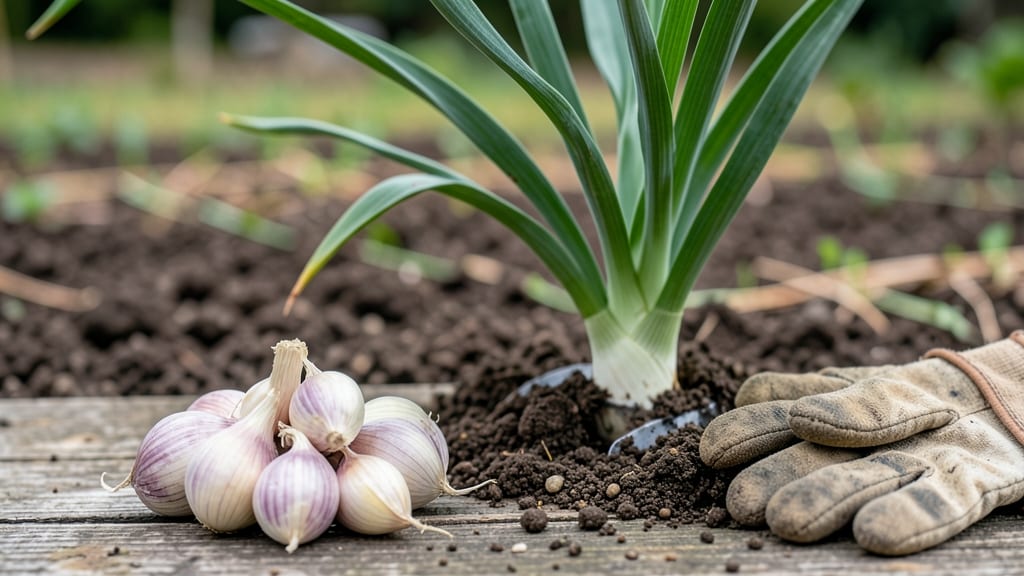
Timing your garlic planting in Virginia (VA) could mean the difference between a bountiful harvest and wasted effort—especially in zones 7a-8a where frost sneaks in earlier than you’d expect.
Miss the window, and your 🧄 might bolt or rot before summer. But get it right, and you’ll enjoy plump bulbs by late June.
Most gardeners in VA swear by fall planting between October and November, when soil temps dip but frost hasn’t set in. This gives roots time to establish before winter, while spring planting in March works for those who missed the fall boat.
The key? Avoid planting when soil’s still too warm—60°F or below is ideal.
Hardneck varieties thrive in VA’s climate, but softnecks can work too if you adjust timing slightly. The real trick is knowing your microclimate—mountain regions freeze faster than Piedmont, so local frost dates matter more than general guidelines. Let’s break down exactly when to plant for your corner of the state.
You’ll also discover how to spot common timing mistakes (like planting too late or ignoring soil prep) and fix them before they ruin your harvest. Ready to grow garlic like a pro? Let’s get started.
Best months to plant garlic in Virginia for maximum yield
Virginia’s USDA zones 7a-8a create a perfect climate for growing garlic, but timing is everything. The best window to plant garlic in Virginia is mid-October to November, when soil temperatures drop below 70°F but before the ground freezes.
This ensures your garlic develops strong roots before winter dormancy. Hardneck varieties (like Rocky Mountain or Silverskin) thrive in Virginia’s climate, while softneck varieties (like Artichoke) are better for milder coastal regions.
If you miss the fall window, you can plant garlic in early March for a smaller harvest. However, fall-planted garlic yields larger, more flavorful bulbs because it undergoes a natural cold period.
Virginia’s first frost date (around November 15) is your deadline—plant too late, and your garlic won’t establish roots before winter.
| Planting Window | Best Variety | Soil Temp | Notes |
|---|---|---|---|
| Mid-October to November | Hardneck (Rocky Mountain, German Red) | 40-60°F | Ideal for largest bulbs; plant 4-6 weeks before frost |
| Early March | Softneck (Artichoke, Silverskin) | 50-60°F | Smaller harvest; avoid if soil is too warm |
| Late September (coastal VA) | Softneck (California Early) | 55-65°F | Milder winters allow later planting |
Virginia’s microclimates play a huge role in garlic planting. In the Piedmont region (e.g., Richmond, Charlottesville), aim for October 15-30 to avoid early freezes.
Coastal areas (like Norfolk) can plant as late as early December due to milder winters, while the Mountains (Roanoke, Blacksburg) should plant by mid-October to prevent frost damage. Use a soil thermometer to confirm temperatures are between 40-60°F—this is critical for root development.
For hardneck varieties, which are ideal for Virginia, the cold period is essential for bulb formation. If you live in a warmer microclimate (like the Tidewater region), consider chitting (sprouting) your garlic cloves indoors for 2-3 weeks before planting.
This gives them a head start and compensates for the slower start in milder soils. Chitting also helps you spot low-quality cloves (small or moldy) before planting.
One common mistake is planting garlic too early in September, when soil temperatures are still warm. This causes garlic to bolt (send up a flower stalk) instead of forming bulbs. To avoid this, wait until soil temps drop below 70°F—use a digital soil thermometer for accuracy.
Another trick is to plant in raised beds, which cool down faster in fall and provide better drainage, reducing the risk of rot in Virginia’s humid climate.
If you’re unsure about your local frost dates, check the Virginia Cooperative Extension’s frost maps or use the USDA Plant Hardiness Zone Map. For most of Virginia, planting garlic by November 1 ensures it establishes roots before winter.
In Zone 7a (like the Shenandoah Valley), you might need to plant by October 15, while Zone 8a (e.g., Hampton Roads) can stretch planting until November 15.
Pro tip: Mark your garlic rows with biodegradable flags or a garden journal to track planting dates. This helps you adjust future plantings based on your specific microclimate. For example, if your garlic bolts in Zone 7a when planted in late October, next year aim for mid-October instead.
Consistency in timing leads to bigger, healthier bulbs every year.
Finally, don’t forget to mulch your garlic beds with straw or leaves after planting. This insulates the soil, protects against temperature fluctuations, and keeps moisture levels steady. In Virginia’s variable winters, mulch can mean the difference between a thriving crop and a frost-damaged failure.
With the right timing, Virginia’s climate rewards gardeners with bold, flavorful garlic that’s perfect for cooking—or bragging rights at the farmers' market. 🌱
How to adjust planting time for Virginia’s unique climate zones
Virginia’s diverse climate—from the Coastal Plain’s humidity to the Mountains’ early frosts—means one planting window doesn’t fit all. Your location dictates whether you’ll plant in late October (Coastal Plain) or early November (Mountains). Let’s break down how to fine-tune your timing for your specific region.
First, check your USDA zone (7a-8a). Gardeners in Zone 7a (e.g., Roanoke) should plant by October 15 to avoid winter kill, while Zone 8a (e.g., Norfolk) can extend until November 1. Use your last frost date as a guide: plant 4-6 weeks before the ground freezes.
For Piedmont gardeners, aim for mid-October planting. The region’s moderate winters allow flexibility, but avoid planting after October 31—garlic needs 60-80 days of cold to form bulbs. Test soil temps with a thermometer: ideal planting temps are 40-50°F.
In the Coastal Plain, where winters are milder, you can plant as late as early November. However, protect your crop with row covers if temperatures dip below 20°F. The humidity here also increases fungal risks, so choose well-draining soil and space cloves 4-6 inches apart.
Mountain regions like Southeast Virginia’s highest elevations demand earlier planting (late September to October 10). The shorter growing season and earlier frosts mean garlic must establish roots before winter. Use hardneck varieties like ‘Music’ or ‘German White’, which thrive in colder climates.
Pro tip: Plant near the new moon in fall to encourage root growth. Avoid planting during a full moon, which can lead to excessive top growth. And always water deeply after planting to help cloves settle into the soil.