
Plants
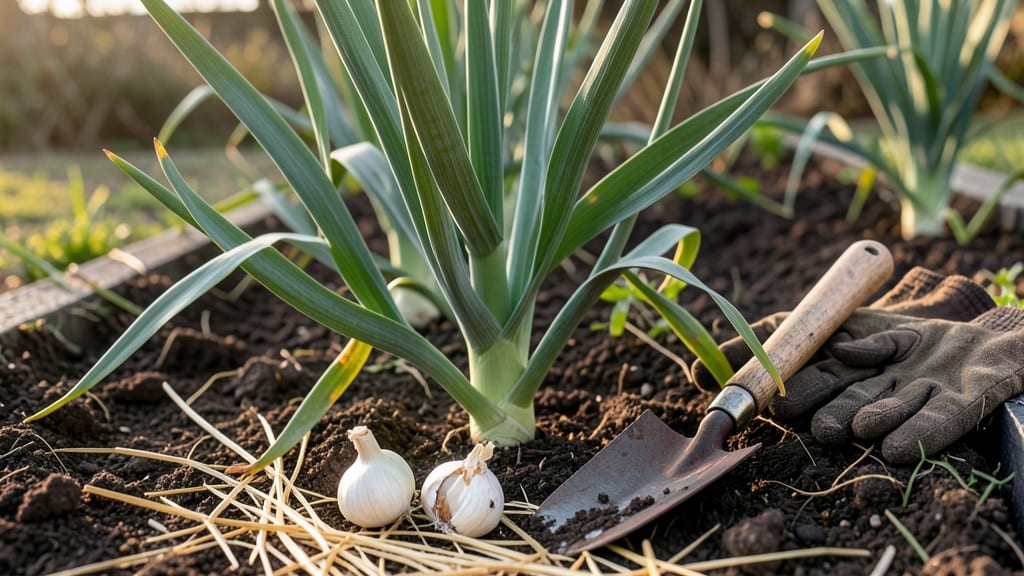
Timing your garlic planting in Vermont isn't just about following a calendar—it's about outsmarting the 5b zone's unpredictable frost patterns. Plant too early, and your 🧄 might bolt before winter; too late, and you risk weak, stunted bulbs.
The key? Understanding when soil temps drop below 40°F—your garlic's sweet spot for overwintering success.
Most Vermont gardeners swear by mid-to-late fall planting, but here's the catch: your exact window depends on whether you're in northern Zone 4 or southern Zone 5b territory. I'll show you how to calculate your personal frost-date math using local averages and soil thermometers—no guesswork required.
Let's dive into the 3-step system I've perfected after years of Vermont garlic trials: when to plant, how deep to bury those cloves, and the mulching tricks that protect your crop through our brutal winters. Spoiler alert: your harvest timing starts with this one critical decision.
Ready to grow garlic that's plump, flavorful, and bolting-free? By the end, you'll know exactly when to plant—plus how to adjust for early snows or late frosts. Let's get those cloves in the ground the right way.
Vermont’s ideal garlic planting windows by frost Zone
Vermont’s cool climate and short growing season demand precision when planting garlic. The key is timing your fall planting so cloves establish roots before winter dormancy but avoid sprouting too early.
In USDA Zones 3-5, which cover Vermont, garlic thrives when planted 4-6 weeks before the ground freezes, typically between mid-October and late November.
However, microclimates in northern Vermont (like Zone 3) may need earlier planting, while southern regions (like Zone 5) can wait until late November.
Garlic planted too early risks premature sprouting and bolting (flowering), which diverts energy from bulb development. Planting too late means cloves won’t root deeply enough to survive winter, resulting in shallow bulbs or complete failure.
The 6-week pre-frost rule ensures garlic has enough time to establish a 2-inch root system before the ground hardens.
Here’s how Vermont’s frost zones break down for garlic planting:
| Zone | Avg. Last Frost | Ideal Planting Window | Soil Temp. Threshold | Notes |
|---|---|---|---|---|
| Zone 3 (Northern VT) | October 15–20 | Mid-September to October 10 | 45–55°F (7–13°C) | Earlier planting needed; use hardneck varieties for cold tolerance. |
| Zone 4 (Central VT) | October 25–November 5 | Late September to October 25 | 40–50°F (4–10°C) | Most of Vermont falls here; softneck varieties work well. |
| Zone 5 (Southern VT) | November 5–15 | Late October to November 10 | 35–45°F (2–7°C) | Later planting possible; mulch heavily to insulate. |
*Adjust dates 1–2 weeks earlier for high-altitude areas (e.g., Stowe, Jay Peak).
For northern Vermont, where winters are harsher, prioritize hardneck varieties like ‘German Red’ or ‘Music’, which handle colder temperatures better. In southern Vermont, where winters are milder, softneck varieties like ‘Silverskin’ or ‘Artichoke’ store longer but need consistent soil moisture.
Pro tip: Use a soil thermometer to confirm soil temps are between 40–50°F (4–10°C) before planting. If temps drop below 35°F (2°C), garlic cloves may rot. In early frost years, plant as soon as soil is workable—even if it’s mid-September—to avoid missing the window entirely.
Microclimates matter! Gardens near Lake Champlain or in valleys may experience later frosts than inland areas. Check Vermont’s USDA frost maps or local Cooperative Extension data for precise adjustments. For example, Burlington’s frost dates differ from Bennington’s by nearly 2 weeks.
Once planted, mulch with straw (4–6 inches) to insulate cloves and prevent heaving during freeze-thaw cycles. This also suppresses weeds and retains moisture during Vermont’s snowy winters. In Zone 3, add an extra layer of leaves or burlap for added protection.
Spring planting is possible in Vermont but risky—garlic planted in March or April often bolts before bulbs mature. If you must try it, use shade cloth to reduce heat stress and plant early-maturing varieties like ‘Creole’.
Remember: The earlier you plant, the larger your bulbs will be. But don’t rush—well-established roots before winter are worth the wait. 🌱
How to calculate your perfect planting date using Vermont’s frost data
Vermont’s short growing season and variable frost dates make garlic timing tricky. The key is planting 6 weeks before the first hard frost—typically between October 1st and November 15th. But how do you pinpoint the exact date for your microclimate?
Start by checking the USDA Plant Hardiness Zone Map for your specific Vermont location—most gardeners fall in Zone 4 or 5.
Next, use local frost data from sources like the Vermont State Climate Office or Old Farmer’s Almanac. For example, Burlington averages its first hard frost around October 20th, while Bennington sees frost by October 10th.
Subtract 6 weeks from your frost date to land on your planting window. For Burlington, that’s mid-to-late September; for Bennington, aim for early-to-mid October.
🌱
Step-by-Step: Your Vermont Garlic Planting Timeline
- Step 1: Check your last frost date (e.g., October 20th for Burlington).
- Step 2: Subtract 6 weeks to find your planting window (e.g., September 1st–15th).
- Step 3: Verify soil temperature is below 50°F but not frozen—use a soil thermometer.
- Step 4: Plant cloves 2 inches deep, 4 inches apart, with the pointy end up.
- Step 5: Apply 3–4 inches of mulch (straw or leaves) to insulate cloves.
For late frost years, delay planting until early November—just ensure cloves establish roots before the ground freezes. Conversely, if frost arrives early, plant hardneck varieties like ‘German White’, which tolerate colder soils better than softneck types.
Always plant after soil temperatures drop below 50°F to prevent premature sprouting, which leads to bolting.
Pro tip: Use organic mulch like straw or leaves to insulate cloves and regulate soil temperature. This extends the planting window by 1–2 weeks in marginal frost years. Monitor your garden with a soil thermometer—cloves need consistent cold to form bulbs, but frozen soil will kill them.
Adjust for microclimates too: South-facing slopes warm up faster, while low-lying areas hold cold longer. If you’re unsure, err on the earlier side—garlic planted in September often outperforms November plantings in Vermont’s climate. The earlier you plant, the larger your bulbs will grow by harvest.
Finally, mark your planting date on a calendar and set a reminder for harvest time—typically mid-July. Vermont’s short summer means garlic grows fast once temperatures rise, so stay vigilant for ready-to-harvest signs like yellowing lower leaves and papery bulb skins.
☀️