
Companion Plants
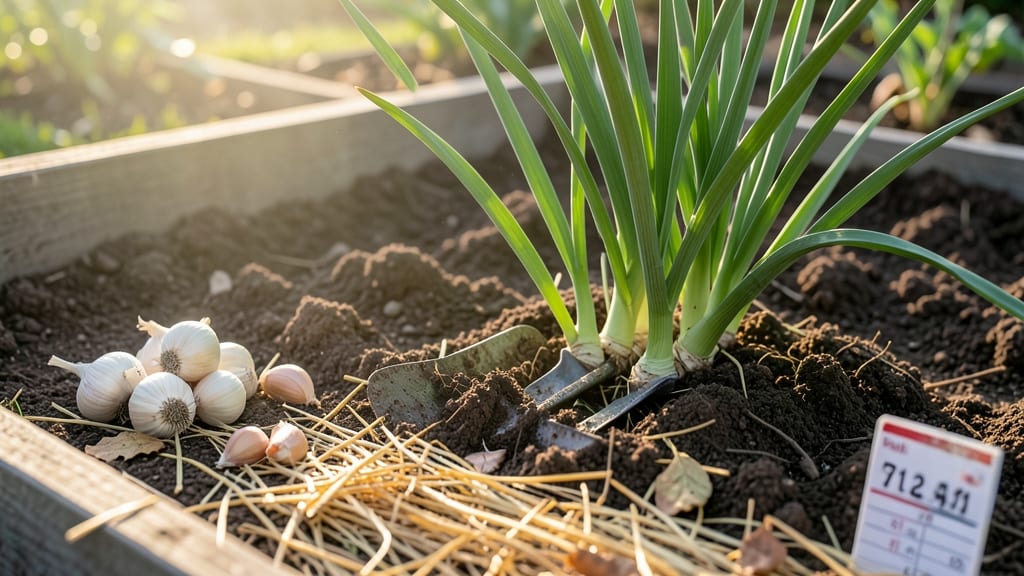
If you’ve ever struggled to grow garlic in Western Pennsylvania, timing is likely the culprit—planting too early or too late can leave you with weak bulbs or no harvest at all.
The key to success here lies in understanding your Zone 6a-7a frost dates and soil conditions, which can make or break your crop before winter even arrives.
For Western PA gardeners, the ideal window is narrow but critical: aim to get your 🧄 garlic cloves in the ground between late October and early November. This timing ensures roots establish before the ground freezes, while still giving the plant enough cold exposure to develop flavorful bulbs.
Miss this window, and you might end up with stunted growth or a harvest that’s less than impressive.
What makes this even trickier is Western PA’s unpredictable weather—late frosts, heavy clay soil, and short growing seasons demand extra attention. But don’t worry: with the right preparation, you can turn these challenges into advantages.
I’ll walk you through exactly how to time your planting for maximum yield, from soil prep to variety selection, so you can enjoy a harvest of plump, flavorful garlic come July or August.
The secret isn’t just about when you plant—it’s about how you prepare for the cold. Whether you’re a seasoned gardener or just starting out, these insights will help you avoid common mistakes and set yourself up for a successful harvest in your unique climate.
Let’s get those cloves in the ground the right way.
Optimal planting dates for garlic in Western PA by hardiness Zone
Western PA’s Zones 6b-7a offer a short but sweet window for planting garlic—typically between mid-October and early November. This timing ensures bulbs establish roots before winter dormancy while avoiding the risk of late fall frosts that can damage young plants.
For Pittsburgh (Zone 6b), aim for planting between October 15 and November 1, while Erie (Zone 6a) gardeners should plant slightly earlier, around October 1-15.
State College’s Zone 6b-7a transition zone allows flexibility until November 10, but planting after November 20 risks poor bulb development due to insufficient cold exposure. Hardneck garlic varieties, like Music or German White, thrive in PA’s climate, while softneck varieties (like Silverskin) are better suited for milder microclimates near large bodies of water.
| Zone & Location | Ideal Planting Window | Last Safe Planting Date | Key Variety Recommendation |
|---|---|---|---|
| Zone 6a (Erie, Altoona) | October 1-15 | November 10 | German White, Rocambole |
| Zone 6b (Pittsburgh, Johnstown) | October 15-November 1 | November 15 | Music, Chesnok Red |
| Zone 7a (State College, DuBois) | October 20-November 10 | November 20 | Silverskin, Artichoke |
Use your local last frost date as a guideline—garlic needs 4-6 weeks to establish roots before the ground freezes. Check the USDA Plant Hardiness Zone Map for your exact location, as microclimates (like valleys or urban heat islands) can shift planting dates by 1-2 weeks.
For example, Pittsburgh’s Oakland neighborhood may experience 2°F warmer winters than nearby suburbs, delaying frost by 5-7 days.
Soil temperature is just as critical as air temperature. Plant when soil 5 inches deep reaches 50-60°F—a soil thermometer is your best friend here. In Western PA, this typically aligns with mid-October, but monitor conditions closely.
If soil stays above 60°F for too long, bulbs may sprout prematurely and rot before winter.
Pro tip: Plant hardneck garlic (the preferred type for PA) 4-6 weeks before the ground freezes. This ensures bulbs get the 30-40 days of cold exposure they need to form scapes and plump cloves.
Use a garlic planting calculator (like the one from Johnny’s Selected Seeds) to input your zip code for a personalized planting date based on historical frost data.
For gardeners in Zone 7a, like those near State College, consider two planting windows: the traditional fall window and a spring window (February-March). Spring-planted garlic produces smaller bulbs but can be a backup if fall planting was missed.
However, 90% of your harvest should come from fall planting for maximum yield and flavor.
Adjust for unpredictable PA winters by using row covers or straw mulch (3-4 inches deep) to insulate plants. This extends the window by 1-2 weeks in areas prone to early freezes, like the Allegheny Mountains.
Always plant 2 inches deep, with the pointy end up, and space cloves 4-6 inches apart for optimal bulb development.
Timing isn’t just about the calendar—it’s about soil conditions. Well-draining, loamy soil with a pH of 6.0-7.0 is ideal. If your soil is clay-heavy (common in Western PA), amend it with compost or sand before planting.
Test your soil in early fall to give yourself time to make adjustments, as garlic is not forgiving about poor drainage.
Remember: Garlic planted in December or January will still grow, but bulbs will be smaller and less flavorful. The key is cold exposure—garlic needs winter to vernalize (a process where cold triggers bulb formation).
If you miss the fall window, consider overwintering potted garlic in a cold frame or unheated garage until spring, then transplant in March.
Finally, keep a planting journal to track your success. Note your exact planting date, variety, and any adjustments you made for your microclimate. Over time
How to time your garlic planting for maximum yield in PA’s climate
Timing your garlic planting isn’t just about avoiding frost—it’s about syncing with Western PA’s unique climate patterns. In Zone 6b-7a, where winters can be unpredictable, I’ve learned that soil temperature and moon phases (optional but helpful) play just as big a role as calendar dates.
The goal? Give your garlic 10-12 weeks of cold dormancy before spring growth begins.
For most of Western PA, this means planting 4-6 weeks before the ground freezes. In Pittsburgh and State College, that’s typically mid-October to early November, while Erie’s cooler microclimate may shift your window slightly earlier.
I always check my local Almanac frost dates as a backup—because nothing ruins a garlic crop like a surprise early frost!
- Soil temp below 40°F: Plant when soil cools to 40-50°F—garlic needs cold to form bulbs.
- Moon phases: Planting during a waxing moon (right side lit) may boost bulb size.
- Snow cover: A light snow layer (2-3 inches) protects cloves without smothering them.
- Microclimates: South-facing beds warm faster—plant 1-2 weeks earlier there.
- Variety choice: Hardneck garlic (best for PA) needs more cold than softneck.
One trick I swear by? Using row covers or straw mulch to extend the growing season. If you plant in late November and get hit with an early freeze, a 2-inch layer of straw can protect cloves until soil temps rise in spring.
Just remove covers in early March to let sunlight trigger growth. And remember: Never plant garlic in spring—it won’t form proper bulbs without winter dormancy!
For gardeners in higher elevations (like around State College), push planting to early October. The shorter growing season means you need to maximize cold exposure. I’ve had success with ‘German White’ or ‘Music’ hardneck varieties—they handle PA’s 100+ frost-free days like champs.
Pro tip: Break apart garlic bulbs into individual cloves right before planting to avoid mold from stored bulbs.
Finally, mark your calendar for early March—that’s when you’ll see those first green garlic shoots poking through the soil. If you’ve timed it right, you’ll have plump bulbs ready by mid-July, just in time for summer cooking.
But if you see weak, spindly growth by spring? That’s your cue to adjust next year’s planting date.
Western PA’s climate is unpredictable but manageable—with these timing tricks, you’ll turn garlic growing from a gamble into a reliable harvest. The key is planting early enough for cold but not so early that cloves rot in wet fall soil. Now grab those cloves and get planting!