
Plants
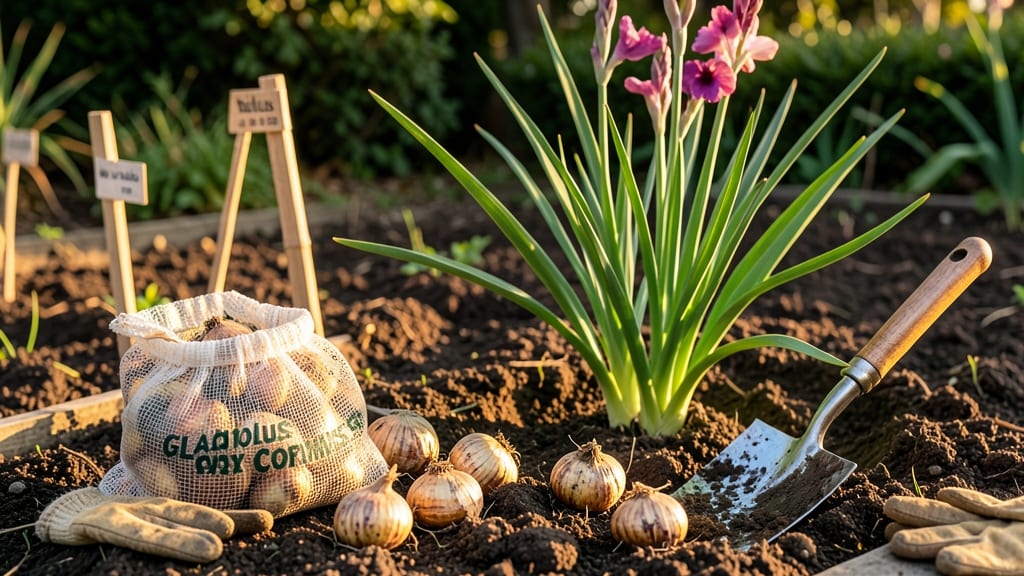
Timing your gladiolus bulbs planting in California isn’t one-size-fits-all—coastal fog belts and desert valleys have wildly different rules. Plant too early, and your 🌸 spikes might wilt in summer heat; too late, and you’ll miss the spring bloom window entirely.
The key? Knowing whether you’re in frost-free Zone 10 or a cooler inland area where winter chill matters.
Most California gardeners swear by February to April for coastal zones, where mild winters let you start early. But inland growers in the Central Valley or Coachella Valley should wait until October to November—after summer’s brutal heat subsides.
Think of it like scheduling a marathon: you wouldn’t start training in July for a fall race, right?
Here’s the game-changer: soil temperature and last-frost dates. Coastal areas (like San Diego) can plant year-round with minimal risk, while inland zones need to time it so corms sprout before 90°F soil temperatures arrive.
I’ll break down the exact triggers—so you can avoid the most common mistakes that turn vibrant blooms into sad, stunted stalks.
Ready to transform your garden into a show-stopping display of sword-like spikes? Let’s dive into the precise planting calendar tailored to your microclimate—because in California, the difference between success and disappointment often comes down to a few weeks on the calendar.
California’s gladiolus planting calendar by USDA Zone (with exact months)
Gladiolus bulbs thrive in California’s warm climate, but timing is everything. Unlike frost-sensitive plants, these corms need consistent soil temperatures above 60°F (15°C) to sprout reliably.
In coastal zones (USDA 9b-10), you can plant as early as February, while inland areas (USDA 9a) should wait until March or April to avoid heat stress. The key is matching your planting window to your local last frost date and summer heat onset.
Most California gardeners fall into USDA Zones 7-11, but even within these zones, microclimates create dramatic differences. For example, San Francisco’s coastal fog delays heat buildup by weeks compared to Bakersfield’s Central Valley.
Below, I’ve broken down the optimal planting months for each zone, including soil temperature triggers and bloom timing adjustments.
🌱 Did You Know? Gladiolus corms planted in fall (October-November) in inland zones can produce winter blooms before summer heat arrives. This "reverse season" trick works best in USDA Zones 9a-10a where frost is rare.
For Zone 7 areas (e.g., high elevations in Sierra Foothills), treat gladiolus like annuals—plant in late April after all frost risk has passed. These regions experience earlier frosts (as early as November 15), so winter survival is unlikely unless you dig up and store corms.
Pro tip: Use a soil thermometer to confirm temperatures before planting. Gladiolus corms need consistent warmth—planting too early in cool soil can cause rot before sprouting. Aim for 60°F+ (15°C) for 7+ consecutive days before planting.
In Zone 10b and 11, the real challenge is heat avoidance. Plant in fall (October-November) to capture winter blooms before temperatures climb above 90°F (32°C). After February, gladiolus struggle in desert zones—shade cloth (30-50%) becomes essential to prevent bud drop.
🌿 Key Takeaway: Coastal gardeners should plant in late winter (Feb-Mar), while inland gardeners excel with fall plantings (Oct-Nov). The goal is to time blooms for mild weather—avoid the peak summer heat that causes buds to fry before opening.
For extended blooming seasons, stagger plantings every 2-3 weeks. For example, in Zone 10a, plant January 15,
How to adjust planting time for coastal vs. desert microclimates
California’s coastal and desert regions couldn’t be more different when it comes to gladiolus planting. In San Diego or Santa Barbara, where ocean breezes keep soil cool year-round, you can plant gladiolus corms as early as January and still avoid summer heat stress.
But in the Central Valley or Coachella Valley, where 100°F+ soil temperatures arrive by May, waiting until October is non-negotiable.
The key difference? Heat tolerance and water availability. Coastal areas benefit from natural humidity, while inland zones need drip irrigation or deep watering to prevent corms from baking in the sun.
I’ve seen gladiolus planted too early in the desert wilt within weeks—their roots simply can’t handle the 95°F+ soil temperatures that arrive by June.
Here’s how to adapt your schedule: if you’re in Zone 9b-10 (coastal), aim for February to April plantings. For Zone 9a (inland), shift to October to November to let corms establish before summer’s fury.
Even in coastal zones, June plantings risk stunted growth—so always check your local last frost date and soil temps.
| Factor | Coastal Zones (9b-10) | Inland Zones (9a) |
|---|---|---|
| Best Planting Window | February–April | October–November |
| Soil Temp Threshold | 60–70°F | 55–65°F |
| Heat Risk | Low (ocean breezes) | High (100°F+ soil) |
| Water Needs | Moderate (humidity helps) | High (drip irrigation) |
| Bloom Season | Spring–Summer | Winter–Spring |
For staggered blooms, try planting every 2–3 weeks in coastal zones. This extends your flowering season from May to August. Inland gardeners can repeat the process in November and January to enjoy blooms through March.
The trick? Mulch heavily in desert areas to retain moisture—without it, your corms will dry out before roots establish.
One common mistake? Assuming all of California is the same. I’ve had readers in Sacramento plant in March only to see their gladiolus flop in July heat. The fix? Test soil temps with a thermometer—aim for 60–70°F at planting depth.
If it’s hotter, wait another month. Your blooms will thank you with taller, healthier spikes.
Pro tip: Coastal gardeners can even plant gladiolus in containers for patio displays—just use well-draining mix and move pots to shade during heatwaves. Inland growers should avoid containers unless you’re willing to water daily in summer. The right approach depends entirely on your microclimate’s quirks.