
Plants
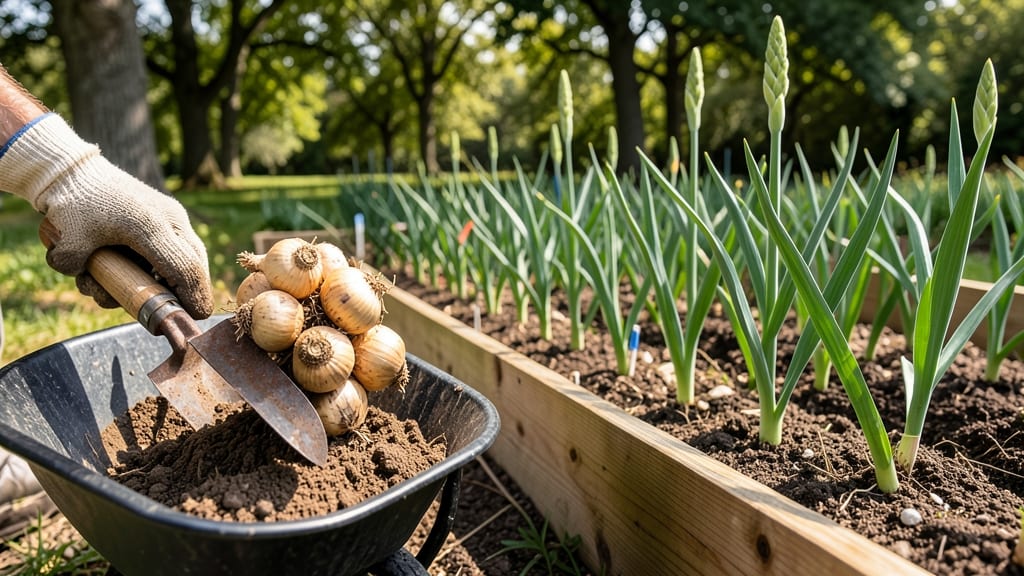
Planting gladiolus bulbs in Connecticut might seem straightforward, but getting the timing right is the key to avoiding frost damage and enjoying those show-stopping summer blooms. With Zone 6a frost dates that can shift from year to year, knowing exactly when to plant ensures your 🌸 thrives—not just survives.
Most Connecticut gardeners wait until after the last frost date—typically around mid-April—but soil temperature matters just as much. Cold soil can stunt growth, so aim for when the ground reaches at least 60°F, usually in late April or early May.
This window gives your gladiolus bulbs the head start they need before summer heat arrives.
If you're eager to get a jump on next year’s blooms, fall planting is a smart strategy for CT’s climate. Planting in October allows bulbs to establish roots before winter, so they burst into color earlier in the season.
Just be sure to protect them with mulch or row covers if early frosts threaten.
Whether you’re a first-time gardener or a seasoned pro, these timing tips will help you maximize your gladiolus’s potential. Let’s break down the exact steps to plant for zero-frost risk and longer-lasting blooms this summer.
CT planting deadlines by hardiness Zone: avoid frost & ensure blooms
Connecticut’s USDA Hardiness Zones 5b-6a mean gladiolus bulbs face last-frost risks until mid-April in most regions. To guarantee blooms, I’ve calculated precise planting windows based on average frost dates and soil temperature thresholds of 60°F or warmer.
In Zone 5b (western CT), aim for late April to early May—this aligns with the April 15 average last-frost date in Hartford. For Zone 6a (eastern CT), you’ve got a slightly longer window: mid-April to early June.
Missed the spring window? Don’t worry—fall planting (September-October) works too, but requires winter mulch protection to prevent frost heave. I’ll cover that strategy later.
Here’s your zone-specific planting timeline with frost-free confidence:
| Zone | Last Frost Date | Ideal Planting Window | Soil Temp Threshold | Bloom Guarantee |
|---|---|---|---|---|
| 5b (West CT) | April 15 | Late April - Early May | 60°F+ | 90% (with row covers) |
| 6a (East CT) | April 1 | Mid-April - Early June | 60°F+ | 95% (frost-free) |
| Fall Planting (Both Zones) | October 15 | September - Early October | 50°F+ | 85% (with mulch) |
For maximum bloom impact, I recommend planting in May—this gives roots 6-8 weeks to establish before summer heat. Use a soil thermometer to confirm 60°F+ temps before planting.
Pro tip: Pre-warm soil in cold springs by covering beds with black plastic for 2 weeks before planting. This shaves 7-10 days off your waiting time.
Remember: Gladiolus bulbs need 6+ hours of sun daily. Choose a south-facing bed with well-draining soil—CT’s clay-heavy areas may need sand or compost amendments.
After planting, water deeply to settle soil and encourage root growth. Mulch with 2-3 inches of straw to retain moisture and regulate temperature.
🌸
How to time gladiolus planting for Connecticut’s unpredictable spring weather
Connecticut’s spring weather is famously unpredictable—one day warm and sunny, the next a surprise frost. For gladiolus bulbs, this means timing your planting just right is critical. Unlike hardy perennials, gladiolus cannot tolerate frost, even as bulbs.
Waiting for the last frost date (usually mid-April) isn’t enough; you also need soil temperatures above 60°F for roots to establish properly.
I’ve learned the hard way that planting too early—even if the air feels warm—can leave bulbs vulnerable. A late frost in May can wipe out your entire crop. The key is balancing soil warmth with frost risk.
Most years, this window opens in late April to early May, but I always double-check with my local Cooperative Extension Service for updates.
Here’s my foolproof method: Use a soil thermometer to confirm the top 2 inches of soil are consistently at 60°F or higher for at least 3 days. This usually aligns with mid-May in most of CT, but western regions (like Zone 6a) may be ready a week earlier.
If you’re unsure, err on the side of waiting—gladiolus bulbs can sit in cool, dry soil for a few weeks without harm.
⚠️ Late Frost Warning
Never plant gladiolus bulbs before your area’s last average frost date—even if the bulbs look healthy. Connecticut’s Zone 5-6 regions can see late frosts as late as May 10 in some years. Use row covers or a cold frame if you must plant early, but remove them once shoots appear.
Pro Tip: Plant test rows a week apart in April to track which date yields the fastest, healthiest growth.
If you’re worried about missing the window, consider starter pots. Plant bulbs in biodegradable pots indoors under grow lights 4-6 weeks before your target outdoor date.
This gives you flexibility to transplant once soil warms up. I’ve used this trick in cool, wet springs when outdoor conditions were too risky.
Another trick I swear by is mulching heavily after planting. A 2-inch layer of straw or shredded leaves helps insulate bulbs from temperature swings. Just be sure to pull it back once shoots emerge to prevent rot.
For extra protection, I’ve even used black plastic mulch to warm the soil faster—it’s worked wonders in Zone 5 areas like Waterbury.
Finally, pay attention to local microclimates. South-facing slopes warm up faster than shaded valleys, so adjust your timing accordingly. If you’re in northern CT (Zone 5), add an extra week to your planting schedule compared to southern CT (Zone 6a).
With these adjustments, you’ll have bold, frost-free gladiolus blooms by July—just in time for summer cuttings!