
Plants
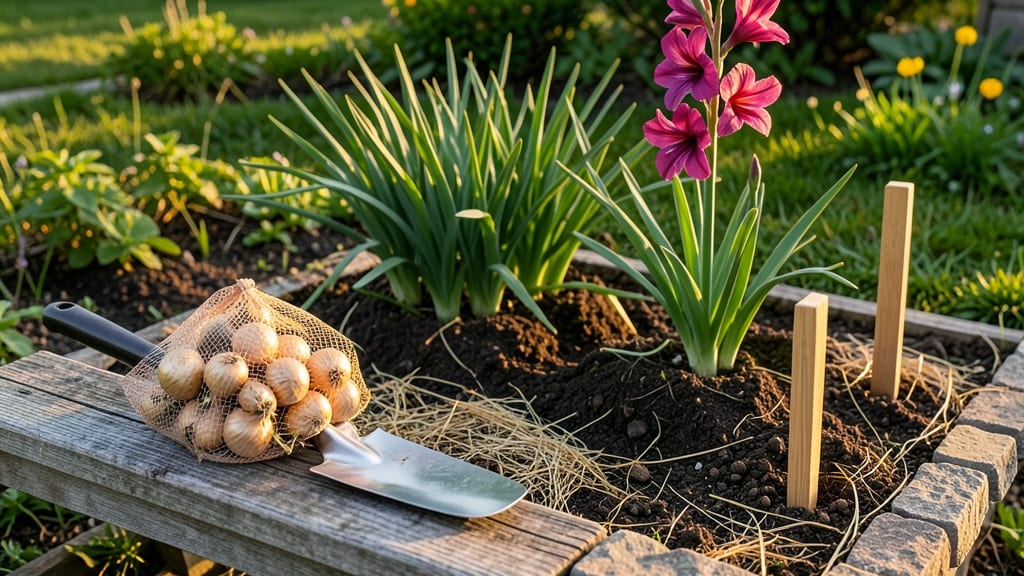
Optimal gladiolus planting dates in Indiana by exact Zone 5-6 timeline
Indiana's Zone 5-6 climate demands precise timing for gladiolus bulbs—plant too early and risk frost damage, too late and miss summer blooms. My exact planting window ensures vibrant July-September flowers by aligning with soil temperatures and frost-free dates.
For Northern Indiana (Zone 5), aim for late April to early May after the average last frost date (April 15). Southern Indiana (Zone 6) gardeners have a slightly longer window—mid-April to early June—thanks to warmer soils.
Soil temperature is critical: gladiolus corms need 60°F+ soil to sprout. Use a soil thermometer to verify—if your soil is still cool, wait 1-2 weeks. Early varieties can tolerate slightly cooler soils, while late bloomers need warmer conditions.
Here’s my Indiana-specific planting timeline with frost dates and soil prep tips:
| Zone & Region | Optimal Planting Window | Soil Temp Requirement | Key Action |
|---|---|---|---|
| Zone 5 (North) | Late April–Early May | 60°F+ | Wait 4-6 weeks after last frost |
| Zone 5 (South) | Early–Mid May | 60°F+ | Test soil with thermometer |
| Zone 6 (All) | Mid-April–Early June | 55°F+ | Plant early varieties first |
I recommend planting early varieties first (like 'Green Star') in late April for Zone 6, followed by mid-season bloomers (e.g., 'White Friendship') in May. This staggered approach extends your bloom time through September.
For container gardening, plant 2-3 weeks earlier—pots warm up faster. Use black plastic mulch to raise soil temps by 5-10°F, especially in Zone 5 where springs are cooler. This trick lets me plant 1-2 weeks sooner without risking frost damage.
Pro tip: Mark your gladiolus rows with biodegradable flags—these tall flowers need 6+ inches of space to avoid crowding. I stake mine preemptively in early June to prevent wind damage during Indiana’s summer storms.
After planting, water deeply once weekly to encourage root growth. Overwatering causes corms to rot, while underwatering stunts blooms. Aim for 1 inch of water per week, adjusting for Indiana’s humid summers.
Remember: Late June plantings may still produce flowers, but expect smaller blooms and shorter stems. For maximum impact, stick to the April-June window—your gladiolus showstopper is worth the wait! 🌸
How to adjust planting time for Indiana's unpredictable spring weather
Indiana’s spring weather can be as unpredictable as a whimsical breeze through your garden—one day warm enough to plant, the next hit with a surprise frost. Gladiolus bulbs need consistent warmth to thrive, so knowing how to adapt your planting schedule is key. Late frosts, soggy soil, or sudden heatwaves can all throw off your timeline, but with the right strategies, you can still enjoy those bold summer blooms you’re dreaming of. The last frost date in Indiana typically falls around April 15, but it’s no guarantee—especially in Zone 5-6 areas like northern Indiana. If you plant too early and a frost sneaks in, your gladiolus corms will rot before they even sprout. On the flip side, waiting too long risks stunted growth or missed blooms by summer’s end. Here’s how to stay ahead of Mother Nature’s curveballs.Pro tip: Keep a planting journal to track your success (or lessons learned) each year—your future self will thank you! 🌸