
Plants
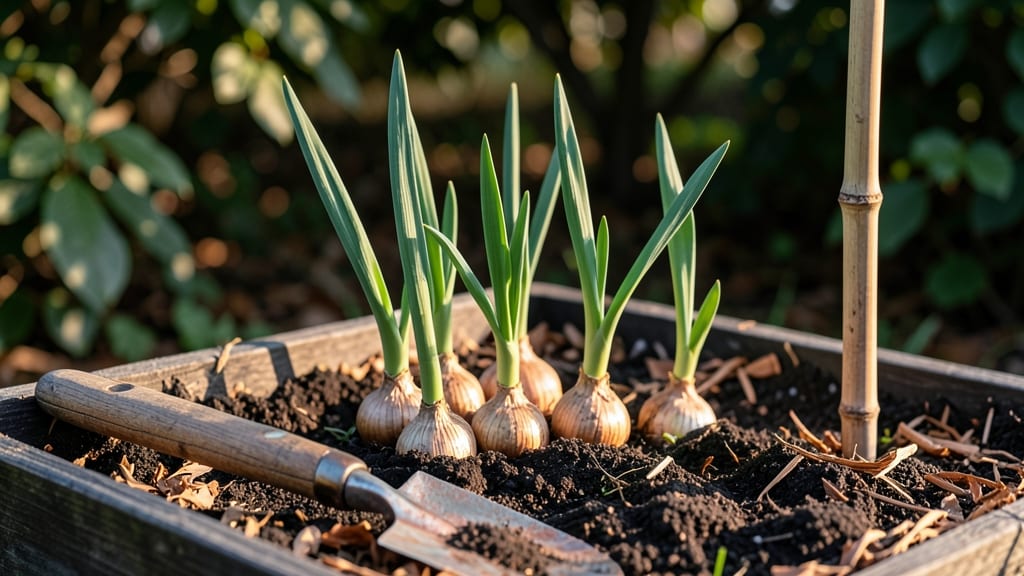
Timing your Gladiolus planting in Maine can mean the difference between vibrant summer blooms and frost-damaged corms. With Zone 5b's unpredictable weather, knowing exactly when to plant these stunning 🌸 flowers is the key to success.
Most gardeners wait until late April or early June, after the last frost date, but Maine's cooler climate demands extra care. The right preparation—like choosing cold-hardy varieties and adjusting planting depth—can extend your blooming season well into September.
In this guide, I'll walk you through the ideal planting window, soil prep tips, and the best frost-resistant varieties that thrive in Maine's short growing season. Whether you're a beginner or a seasoned gardener, these insights will help you grow show-stopping gladiolus year after year.
Ready to transform your garden with bold, towering 🌸 blooms? Let's dive into the strategies that work best for Maine's unique climate and make your gladiolus planting a guaranteed success.
Best planting months for gladiolus in Maine’s Zone 5 climate
Timing is everything when planting gladiolus in Maine, where Zone 5 frost can cut short your blooming season if you’re not careful. Unlike tropical plants, gladiolus corms thrive when soil temperatures reach 60°F (15°C)—a threshold Maine typically hits between late April and early June.
Planting too early risks frost damage, while waiting too long may shorten your bloom time before fall frosts arrive.
Maine’s last average frost date falls around mid-May in most regions, but microclimates near coastlines or higher elevations can vary by 1-2 weeks. To maximize blooms, aim to plant 4-6 weeks before your last frost, ideally in late May.
This gives roots time to establish before summer heat peaks.
For extended blooms, many Maine gardeners also plant a second batch in early July. These late-season corms produce flowers just as summer cools, often lasting into early October before hard frosts strike.
Just ensure they’re planted 6-8 weeks before your first frost (typically mid-October) to allow full root development.
Soil temperature is your best guide—use a soil thermometer to confirm 60°F+ before planting. In cooler years, wait until early June to avoid stunted growth. Remember, gladiolus corms won’t survive winter in Maine’s ground, so treat them as annuals or dig and store them for next year.
🌱
Maine’s unpredictable weather demands flexibility. If your spring is cooler than average, opt for early-blooming varieties like 'White Prosperity', which matures in 90-100 days—perfect for late May plantings. For late batches, 'Picasso' (100-110 days) ensures blooms before frost.
Pro tip: Mark your gladiolus beds with stakes or flags to avoid accidentally disturbing corms when weeding. These plants have deep, fragile roots that can break easily, leading to poor blooms. Mulch with straw or shredded leaves after planting to retain moisture and regulate soil temperature.
🌿
For gardeners in northern Maine (Zone 4), consider starting corms indoors in March under grow lights. Transplant outdoors after the last frost, but be prepared to protect with cloches if nights dip below 50°F (10°C). This head start can add 2-3 weeks to your blooming window.
Finally, track your local frost dates using resources like the Maine State Climate Office or Almanac’s Frost Calculator. Adjust your planting schedule yearly—Maine’s climate shifts, and so should your garden plan. With the right timing, you’ll enjoy gladiolus blooms from July through October, even in chilly Zone 5!
☀️
Best planting months for gladiolus in Maine’s Zone 5 climate
Timing is everything when planting gladiolus in Maine, where Zone 5’s unpredictable frosts can derail even the most eager gardener. The ideal window spans from late April to early June, but your exact start date depends on your last frost date—typically mid-May in most of Maine.
Planting too early risks frost damage, while waiting too long may shorten your bloom season.
For maximum blooms, aim to plant 4-6 weeks before your last frost date. In southern Maine, this could mean early May, while northern regions should wait until late May. Soil temperature is another critical factor—gladiolus corms need soil that’s at least 60°F (15°C) to sprout successfully.
Here’s a quick reference for Maine’s planting timeline:
| Stage | Action | Maine Timing |
|---|---|---|
| Prep Soil | Add compost, ensure drainage | April (early) |
| Plant Corms | 4-6" deep, 6" apart | Late April–early June |
| First Blooms | Expect after 120 days | July–August |
| Late Replant | For fall blooms | Late July–early August |
If you’re eager for extended blooms, consider a late-summer replanting in late July or early August. This second planting will yield flowers just as summer cools down, giving you a second show before frost.
Just be sure to choose shorter varieties (like 'Picasso') to avoid flopping in windy Maine gardens.
Maine’s unpredictable weather means monitoring forecasts is key. Use row covers for early plantings if frost threatens, and always plant in south-facing beds to capture extra warmth. With the right timing, your gladiolus will reward you with bold, dramatic blooms that brighten even the shortest Maine summers.
Pro tip: Mark your planting date on a calendar and set reminders for fertilizing every 4-6 weeks to ensure strong stems and vibrant flowers. A little planning goes a long way in Maine’s climate!