
Plants
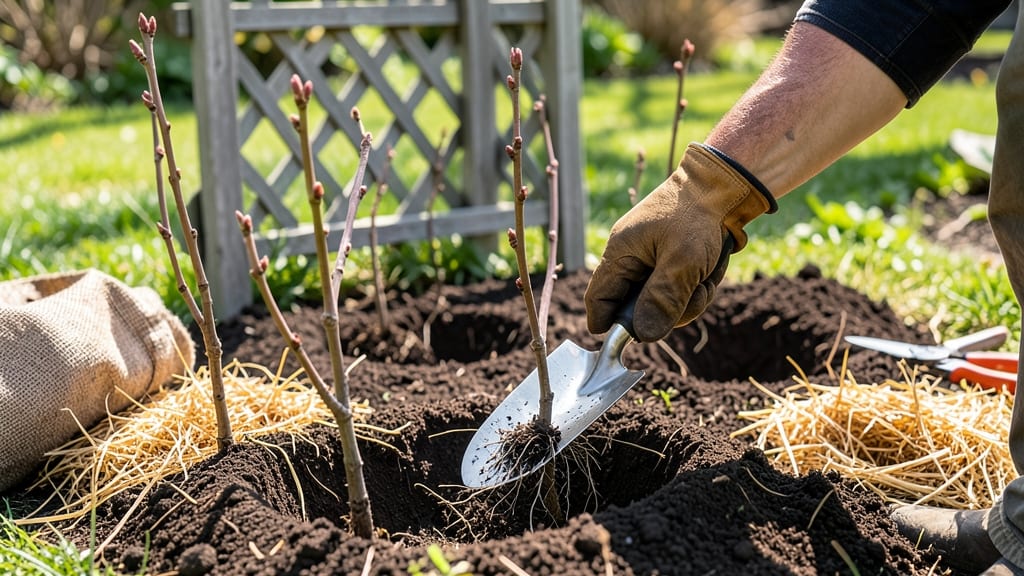
Timing your grapes planting in Indiana right could mean the difference between a thriving vineyard and a sad, struggling 🍇—and it all comes down to those tricky chill hours and frost dates.
Indiana’s 5b-6b zones give you two prime windows: late April through early May after the last frost, or fall in September when the soil stays warm enough for roots to establish.
But here’s the catch: not all grape varieties play nice in Indiana’s short growing season. Cold-hardy types like Concord or Niagara need 500-1,000 chill hours, while warmer-climate varieties might struggle.
I’ll break down exactly which varieties match your zone and how to stretch that 165-day frost-free window to your advantage.
Whether you’re planting bare-root vines in-ground or in containers, the key is preparing your soil early—think compost, drainage, and full sun exposure. I’ll walk you through the step-by-step prep so your vines hit the ground running, whether you’re starting in spring or fall.
Ready to turn your backyard into a grape haven? Let’s dive into the exact planting schedule, soil secrets, and care tips that’ll have you harvesting sweet, plump grapes from August to October—no guesswork required.
Indiana grape planting timeline by chill-hour requirements
Indiana’s USDA zones 5b-6b mean grape growers must match chill-hour needs to local winters.
Most cold-hardy varieties like Concord or Niagara thrive with 500-1,000 chill hours, while warmer-climate grapes like Cabernet Sauvignon need 1,200+ chill hours—rarely met in Indiana’s shorter winters. Timing your planting around dormancy periods ensures vines survive winter and produce fruit.
Grapes enter dormancy when temperatures stay below 40°F (4°C) for 4-6 weeks. In Indiana, this typically happens by late October, making fall planting ideal for bare-root vines.
Spring planting works too, but vines need 6-8 weeks to establish roots before summer heat arrives. Missed timing can lead to stunted growth or winter dieback.
Here’s how to align grape varieties with Indiana’s chill-hour zones and planting windows:
| Variety | Chill-Hour Needs | Best Planting Window | Notes |
|---|---|---|---|
| Concord | 500–800 hours | Fall (Sept–Oct) or Spring (Apr–May) | Cold-hardy; thrives in Indiana |
| Niagara | 600–900 hours | Fall (Sept–Oct) preferred | Disease-resistant; great for beginners |
| Valvin Muscat | 700–1,000 hours | Spring (Apr–May) | Sweet; needs well-drained soil |
| Cabernet Sauvignon | 1,200+ hours | Spring (Apr–May) only | Risky in Indiana; needs microclimate |
| Frontenac Gris | 400–600 hours | Fall (Sept–Oct) or Spring | Disease-resistant; low-maintenance |
Northern Indiana (USDA Zone 5b) gets fewer chill hours, so prioritize early-dormancy varieties like Frontenac Gris or Concord.
Southern Indiana (Zone 6b) can handle Niagara or Valvin Muscat with slightly longer winters. Calculate your chill hours using local weather data—aim for 600+ hours for reliable harvests.
For spring planting, wait until soil temps reach 50°F (10°C) (usually late April–early May in Indiana). Fall planting is safer—vines establish roots before winter, reducing transplant shock. Bare-root vines are easiest to plant; soak roots in water for 1–2 hours before installing to prevent drying.
Indiana’s short frost-free season (165 days) demands fast-growing varieties. Dwarf grapes (like Valvin Muscat) mature faster than standard vines, giving you 2–3 weeks earlier harvests. Trellis training also speeds up fruit ripening by improving airflow and sunlight exposure. Mulch heavily in late fall to protect roots from freeze-thaw cycles.
If you’re in Zone 5b, consider container growing for warmer-climate grapes like Cabernet Franc. Move pots to a garage or cold frame during winter. Rootstocks like Riparia or Rupestris add cold resistance—ask your nursery for Indiana-adapted rootstocks.
Pro tip: Plant grapes on a south-facing slope to maximize sunlight and warmth. In shady yards, use reflective mulch (like white gravel) to redirect light. Test soil pH (ideal: 6.0–6.5
Best months to plant grapes in Indiana: soil temp & weather considerations
Indiana’s variable climate means choosing the right planting window is critical for grape success. While fall planting (September-October) is ideal, spring planting (April-May) works too—if you time it right. The key is avoiding frost risks and ensuring soil temperatures stay above 50°F for root establishment.
Southern Indiana’s warmer microclimates (USDA Zone 6b) allow for slightly earlier spring planting than northern regions (Zone 5b). Always check your local last frost date—typically mid-April—to avoid damaging young vines. For container-grown grapes, you can extend your window by 2-3 weeks.
Fall planting gives vines time to develop roots before winter, but soil must be workable (not frozen). Aim for 6-8 weeks before first frost (usually mid-October) to allow roots to establish. Northern Indiana gardeners should prioritize fall planting due to shorter growing seasons.
📌 Numbered Highlights: Indiana Grape Planting Windows
- Spring Planting: Late April–Early May (after last frost, soil ≥50°F)
- Fall Planting: September–Early October (6-8 weeks before frost)
- Soil Temp Check: Use a soil thermometer—50°F+ for roots, 60°F+ for active growth
- Northern IN: Prioritize fall planting (shorter season)
- Southern IN: Spring planting possible 1-2 weeks earlier
For bare-root vines, plant as soon as possible after purchase—don’t let roots dry out. Soak roots in water for 1-2 hours before planting. If using potted grapes, plant anytime soil isn’t frozen, but fall is still best for root growth before winter.
Watch for unpredictable late frosts in spring. If frost threatens after planting, cover vines with frost cloth or row covers. In fall, apply 4-6 inches of mulch after planting to insulate roots and retain moisture through winter.
Container growing extends your options—plant in May-June if soil is too cold earlier. Just ensure containers have drainage holes and use a well-draining potting mix. Move containers to a sheltered spot in winter if temperatures drop below 10°F.