
Plants
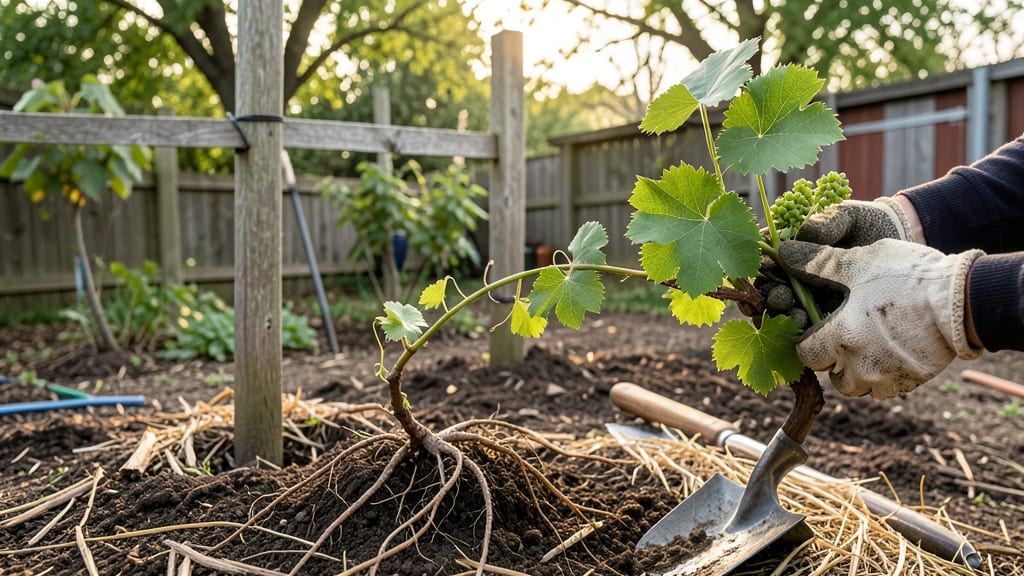
If you’ve ever wondered when to plant grapes in Oklahoma, timing is everything—because getting it wrong could mean frost damage or poor growth for your 🍇 vines. Oklahoma’s 6b-7a zones demand precision, especially with varieties like Norton or Cabernet Franc that thrive in our climate.
Planting too early risks frost, while waiting too long might stunt your vines before summer heat kicks in. The sweet spot? Late winter to early spring (February–April), when soil warms and frost threats fade.
But here’s the catch: muscadines and vinifera grapes have different needs, and microclimates across the state (like the Panhandle vs. eastern Oklahoma) can shift the ideal window.
I’ll break down the exact frost-free timeline for your zone, plus soil prep tips to ensure your grapes take root strong. Whether you’re a first-time grower or a seasoned gardener, this guide keeps your vines healthy from planting to harvest.
Ready to avoid common mistakes and maximize your grape yield? Let’s get your 🍇 schedule locked in for success.
Oklahoma grape planting calendar by hardiness zones (5b-8a)
Oklahoma’s diverse climate—spanning USDA Hardiness Zones 5b to 8a—means your grape planting timeline depends on where you live. In northern Oklahoma (Zones 5b–6a), like Tulsa or Norman, aim for late March to early April to avoid late frosts.
Meanwhile, southern Oklahoma (Zones 7a–8a), such as Oklahoma City or Lawton, can plant as early as mid-February in sheltered microclimates. The key is waiting until soil temperatures reach 50°F (10°C)—cold soil can stunt root growth.
For bare-root vines, plant during their dormant season (late winter to early spring) to minimize transplant shock. Potted grapes, however, can handle late spring planting (May) if roots aren’t root-bound.
Always check your local last frost date—Oklahoma’s ranges from March 15 in the north to February 15 in the south. Planting too early risks frost damage, while waiting too long delays vine establishment.
🌱 Did You Know? Oklahoma’s panhandle (Zone 7a) often enjoys 10–14 days earlier last frost dates than eastern Oklahoma, giving growers a head start on the season.
| Zone | Ideal Planting Window | Soil Temp Requirement | Variety Notes |
|---|---|---|---|
| 5b–6a (Northern OK) | Late March–Early April | 50°F (10°C) minimum | Muscadines (hardy), Norton (cold-tolerant) |
| 6b–7a (Central OK) | Mid-February–Mid-April | 45°F (7°C) minimum | Hybrids (e.g., Cynthiana), Cabernet Franc |
| 7b–8a (Southern OK) | Mid-February–Early March | 50°F (10°C) minimum | Vinifera (e.g., Chardonnay), Sauvignon Blanc |
| All Zones (Late Planting) | May (potted vines only) | 60°F (15°C) minimum | Risk of poor root establishment; use mulch to retain moisture |
📅 Pro Tip: Use a soil thermometer to confirm temps before planting—cold soil delays growth.
In Zone 5b, like parts of northwest Oklahoma, early April is your best bet—waiting until after April 15 reduces the risk of late spring frosts.
For Zone 8a, such as southwestern Oklahoma, you can plant muscadines as early as February, but vinifera grapes need warmer soil, so delay until mid-March. Always choose a south-facing slope to capture heat and extend your growing season.
If you’re planting bare-root vines, soak roots in water for 1–2 hours before planting to rehydrate them. For potted vines, remove the container and loosen roots to prevent root circling.
Both types benefit from a 2-inch layer of compost mixed into the planting hole—this improves drainage and adds organic matter for long-term vine health. Mulch with straw or wood chips after planting to retain moisture and suppress weeds.
Oklahoma’s unpredictable weather means having a backup plan is crucial. If frost threatens after planting, use row covers or frost cloth to protect young vines. In drought-prone areas, like the panhandle, install a drip irrigation system to deliver 1–2 inches of water weekly during dry spells.
This ensures consistent moisture without wasting water through overhead sprinklers, which can spread fungal diseases like powdery mildew.
For best results, align your planting with the moon’s phases—root crops (like grapes) thrive when planted during the waxing moon (just after the new moon). This ancient practice isn’t just folklore; it encourages strong root development during the vine’s early growth stages.
Pair this with regular pruning to shape your vines and improve air circulation, reducing the risk of black rot and downy mildew.
Remember, Oklahoma’s microclimates can vary dramatically even within a few miles. If you’re near a lake or river, like Lake Texoma, you may enjoy warmer nights and can plant 1–2 weeks earlier than inland areas.
Conversely, high elevations, such as those near Oklahoma City’s hills, can experience colder nights, so delay planting until after April 1 to be safe.
Finally, label your vines immediately after planting with the variety name and planting date. This helps track growth progress and ensures you’re harvesting at the
Best grape varieties for Oklahoma and their planting timelines
Oklahoma’s climate—with its hot summers and chilly winters—demands grape varieties that thrive in USDA Zones 6b-8a. The right variety ensures better cold hardiness and heat tolerance, directly impacting your planting timeline.
For example, Norton (Cynthiana), Oklahoma’s state grape, handles our winters like a champ, while Cabernet Franc needs a slightly later start to avoid spring frosts.
Your planting window hinges on whether you’re growing muscadines (native, hardy types) or vinifera hybrids (more delicate but flavorful). Muscadines, like Scuppernong, can handle early February planting when soil temps hit 45°F.
Meanwhile, vinifera varieties, such as Chardonnay, prefer late March to early April to avoid late frosts.
Pro Tip: Check your last frost date (typically March 15 in most of Oklahoma) and plant 2-4 weeks after for safe growth. Use row covers if you’re eager to plant earlier—just remove them before buds swell to prevent overheating.
If you’re growing hybrid varieties like Bluebird or Black Monukka, aim for late February to early March. These types balance disease resistance and flavor, making them ideal for Oklahoma’s humid summers.
For vinifera grapes, delay until after April 15 to avoid late spring frosts, which can devastate tender new growth.
Adjust your timeline based on microclimates. Areas like the Panhandle (Zone 7b-8a) can plant 2 weeks earlier than eastern Oklahoma (Zone 6b-7a). Use a soil thermometer to confirm temps are above 50°F before planting—cold soil slows root establishment.
Remember: Dormant bare-root vines (sold in winter) can go in the ground as early as February, but potted vines need warmer soil (55°F+) and should wait until March or April.
Mulch heavily after planting to protect roots from temperature swings—Oklahoma’s weather can shift from freezing nights to 80°F days in a week.