
Plants
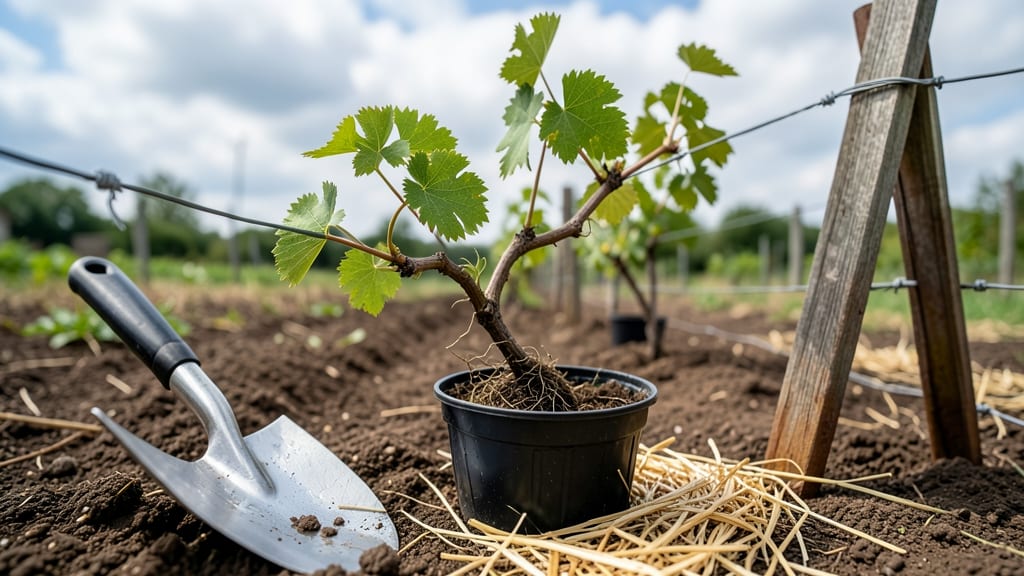
If you're dreaming of planting grapes in Phoenix but dreading the scorching summers, you're not alone—many gardeners assume it's impossible. The truth? With the right timing and heat-resistant varieties, Phoenix's climate can actually work in your favor.
Most gardeners in USDA Zone 9b swear by planting grapes during the cooler months, but why does this work so well? The key is avoiding the brutal summer heat while giving young vines time to establish strong roots before the growing season kicks in.
In this guide, I'll walk you through the exact planting window—November through February—and share the best heat-tolerant varieties that thrive in Phoenix's desert conditions. You'll also discover how to prepare your soil and protect your vines from the intense sun.
Ready to turn your backyard into a grape-growing oasis? Let's get started with the perfect timing and tips to ensure your vines not only survive but flourish in the Arizona heat.
Best planting months for grapes in Phoenix’s extreme heat
Phoenix’s 110°F+ summers make grape planting a high-stakes game of timing. Unlike cooler climates, you can’t just plant in spring—your vines will wilt before roots establish. The sweet spot? November through February, when soil temps drop below 80°F and monsoon humidity helps roots take hold.
This window lets vines establish deep roots before summer’s brutal heat arrives.
Why winter? Bare-root vines (sold dormant) thrive when planted in cool months, reducing transplant shock. Phoenix’s USDA Zone 9b means no frost risk, but heat stress is the real enemy. Planting in late summer (August-September) risks root burn from scorching soil—even with irrigation.
Here’s the critical timeline: Aim for 60-90 days before summer’s peak (June-August). For example, November planting gives roots 5 months to grow before extreme heat hits. December-January is ideal for container-grown vines if you missed the bare-root window.
Microclimates matter in Phoenix. Urban areas (like downtown) stay 5-10°F hotter than rural zones. If you’re in a heat island, opt for early November planting. Rural gardeners can stretch to mid-February safely. Always check soil temperature—it should be below 75°F at planting depth (6-8 inches).
| Month | Soil Temp (°F) | Risk Level | Best For |
|---|---|---|---|
| November | 65-75°F | Low | Bare-root vines (optimal) |
| December | 60-70°F | Very Low | Container-grown vines |
| January | 55-65°F | Low | Established roots before heat |
| February | 60-70°F | Moderate | Last chance (rural areas) |
| March | 70-80°F | High | Avoid (heat stress risk) |
🌱 Pro Tip: Mulch with 3-4 inches of straw to keep soil cool and retain moisture.
Monsoon season (July-September) brings relief but also challenges. While the rain helps established vines, newly planted grapes can suffer from waterlogged roots if soil doesn’t drain well.
Amend your planting hole with 50% compost and 30% perlite to prevent compaction. Drip irrigation (not overhead watering) is a must to avoid fungal diseases like powdery mildew.
If you’re planting in containers, your timing window expands slightly. Pots heat up faster than ground soil, so stick to November-January and use black fabric pots (they absorb heat).
Place containers on elevated stands to improve drainage. Root-bound vines planted in summer will suffer heat stress within 2 weeks.
Phoenix’s altitude variations also play a role. Areas like Scottsdale (1,100 ft) are hotter than Carefree (1,500 ft). Adjust your planting date 1-2 weeks earlier for lower elevations. Always test your soil’s drainage—grapes hate soggy roots.
Dig a hole, fill it with water, and time how long it takes to drain. If it’s more than 4 hours, amend the soil.
One game-changer for Phoenix gardeners: shade cloth. Use 30-50% shade cloth during the first 3 months after planting to protect young vines from intense afternoon sun. Remove it in spring to encourage photosynthesis. Pair this with daily watering (early morning) to keep roots hydrated without wetting foliage.
Remember: Patience is key. Grapes planted in Phoenix’s ideal window (November-February) may not fruit until year 3. But with the right timing, your vines will survive the desert and reward you with sweet, sun-ripened grapes by summer.
The effort is worth it—imagine homegrown wine or fresh table grapes in the heart of the Sonoran Desert! 🍇
Best planting months for grapes in Phoenix’s extreme heat
Phoenix’s 110°F+ summers make grape planting a delicate balance—plant too early, and your vines will wilt under heat stress. Too late, and they won’t establish roots before monsoon season. The sweet spot is November through February, when cooler temps and well-draining soil give young roots a fighting chance.
Why winter? Soil temperatures stay below 70°F, reducing root shock, while monsoon moisture (starting July) won’t arrive to drown tender new growth. Bare-root vines planted in December or January often outperform spring plantings, which face 100°F+ stress within weeks.
Critical timing factors include avoiding extreme heat spikes (March+) and aligning with Phoenix’s microclimates. Urban areas stay 5–10°F hotter than rural zones—adjust planting dates accordingly. Here’s what to prioritize:
| Month | Soil Temp (°F) | Risk Level | Action |
|---|---|---|---|
| November | 60–70°F | Low | Ideal for bare-root vines |
| December | 55–65°F | Very Low | Best for root establishment |
| January | 60–70°F | Low | Second-best window |
| February | 65–75°F | Moderate | Last chance before heat stress |
| March+ | 80°F+ | High | Avoid unless using shade cloth |
For container-grown grapes, extend your window to March—pots dry out faster, but young vines in 5-gallon containers handle slightly warmer soil better. Always acclimate vines gradually to full sun over 2 weeks post-planting to prevent sunburn on leaves.
Pro tip: Test soil moisture before planting—Phoenix’s clay-heavy soils can suffocate roots. Amend with 50% compost and 20% perlite to improve drainage. Mulch with 3 inches of wood chips to retain moisture and regulate soil temps.
Timing isn’t just about months—it’s about avoiding monsoon downpours (July–September) and heatwaves. Plant in cool-season windows, and your vines will reward you with juicy, sun-ripened grapes by summer’s end. 🍇