
Plants
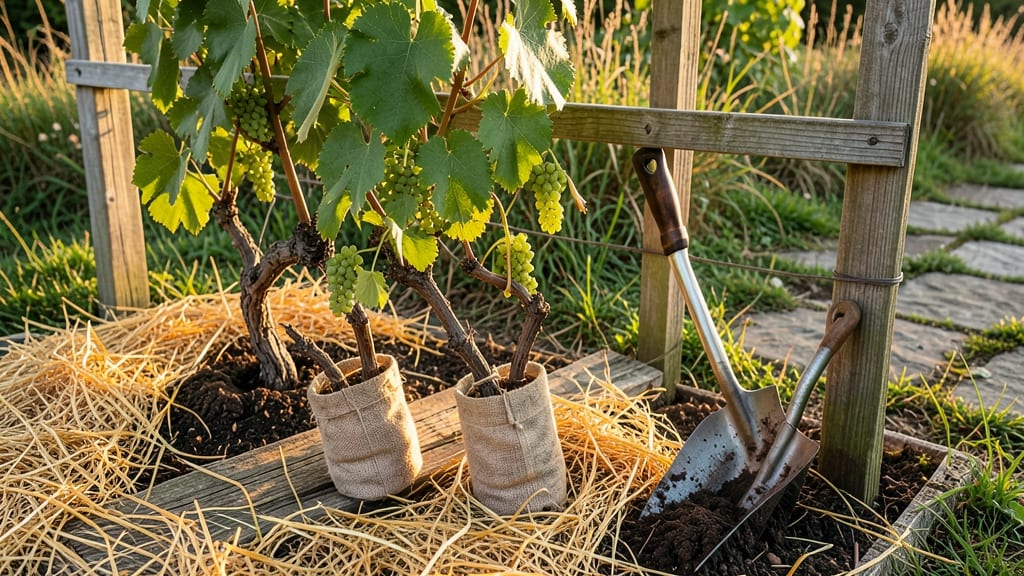
Timing your grape planting in Oregon isn't just about following a calendar—it's about aligning with your local microclimate to give those 🍇 vines the best possible start. Get it wrong, and you risk winter damage or stunted growth, especially when Oregon's frost dates can shift dramatically between Portland and Medford.
Most gardeners in USDA Zones 7b-9a know spring is the prime window, but the exact timing varies. Whether you're in the Willamette Valley or eastern Oregon, planting between late winter and early spring (February through April) gives roots time to establish before summer heat arrives.
I'll walk you through the zone-specific deadlines that make all the difference—from soil temperature thresholds to avoiding Oregon's unpredictable spring rains. You'll also discover why bareroot vines need earlier planting than potted ones, and how to adjust for your specific region's frost risks.
Ready to plant with confidence? Let's break down the exact windows and conditions that'll set your grapevines up for success, so you can enjoy that first harvest in late summer or early fall.
Oregon grape planting zones: best months by USDA hardiness Zone
Oregon’s diverse climate zones mean your grape planting deadline depends heavily on where you live. The state spans USDA Zones 7b through 9a, with Zone 7b in eastern Oregon (like Pendleton) and Zone 9a in southern valleys (like Medford).
Each zone has its own frost risk timeline and ideal soil temperature window for planting.
For Zone 7b (eastern Oregon), aim for early spring planting between March 15 and April 15. This gives roots time to establish before the last frost, typically around May 1.
In Zone 8a (Portland area), you have a slightly longer window—April 1 to May 1—while Zone 9a (Medford) can even plant in early fall (September–October) to avoid summer heat stress.
Soil temperature is your biggest clue. Grapes need soil at least 55°F (13°C) to root successfully. In Oregon, this usually aligns with late March to early April for most regions, but elevated areas (like the Cascade foothills) may need to wait until mid-April.
Here’s how Oregon’s microclimates break down for grape planting:
| USDA Zone | Best Planting Window | Last Frost Date | Soil Temp Threshold | Key Consideration |
|---|---|---|---|---|
| 7b (Eastern OR) | March 15–April 15 | May 1 | 55°F+ | Dry spring; water immediately after planting |
| 8a (Willamette Valley) | April 1–May 1 | April 15 | 55°F+ | Clay soil; amend with compost |
| 9a (Southern OR) | September–October (fall) OR April (spring) | November 15 | 60°F+ | Hot summers; plant in fall to avoid heat stress |
If you’re in Zone 7b, like the Umatilla Basin, don’t wait past April 15—late frosts here can kill young vines. For Zone 9a (e.g., Jackson County), fall planting is ideal because it lets roots establish before summer’s 100°F+ heat.
Just ensure soil stays above 60°F (15°C) for 6+ weeks post-planting.
Pro tip: Check Oregon State University’s frost maps for your exact location. For example, Corvallis averages its last frost on April 10, while Bend can see late frosts until May 15. Planting too early in these areas risks root freeze.
For container grapes, you can push planting to May 15 in most zones, but in-ground vines need that earlier window to avoid summer drought stress. Always mulch heavily (4–6 inches) to retain moisture and regulate soil temperature.
🌱
Signs your Oregon soil is ready for grapes (and when to wait)
Before digging in, check your Oregon soil for three critical signs: temperature, moisture, and drainage. Grapes thrive when soil reaches 55°F+, typically by mid-March in most zones. Use a soil thermometer to confirm—cold, wet soil delays root growth and invites rot.
In the Willamette Valley, clay-heavy soils need amending with compost or sand to prevent waterlogging. Test drainage by digging a 12-inch hole and filling it with water—if it drains in 2 hours, your soil is ready. If not, wait or improve it with organic matter.
Oregon’s spring rains can turn planting soil into mud. Avoid soggy conditions by planting when the ground is firm but workable, not sticky. Coastal areas may need to wait until late April, while eastern Oregon can start earlier due to drier conditions.
⚠️ Warning: Planting Too Early
Cold, wet soil can stress roots and invite fungal diseases. Wait until soil warms to 55°F+ and excess moisture drains within 24 hours. In Zone 7, this may mean delaying until late March.
For volcanic basalt regions (like the Columbia Gorge), soil often drains well but lacks nutrients. Conduct a pH test—grapes prefer 6.0–7.0. If your soil is too acidic, add lime; if alkaline, use sulfur. Amend with well-rotted compost to boost organic matter before planting.
Timing also depends on vine type. Bareroot grapes need planting as soon as soil is workable (March), while potted vines can wait until soil warms fully (April–May). Check root condition—healthy roots should be white or light tan, not shriveled or mushy.
Finally, observe local frost dates. Plant after the last average frost (typically March 15 in Portland, April 15 in Medford). Use a frost-free calculator like the Oregon State University Extension tool to pinpoint your exact window.