
Lawn
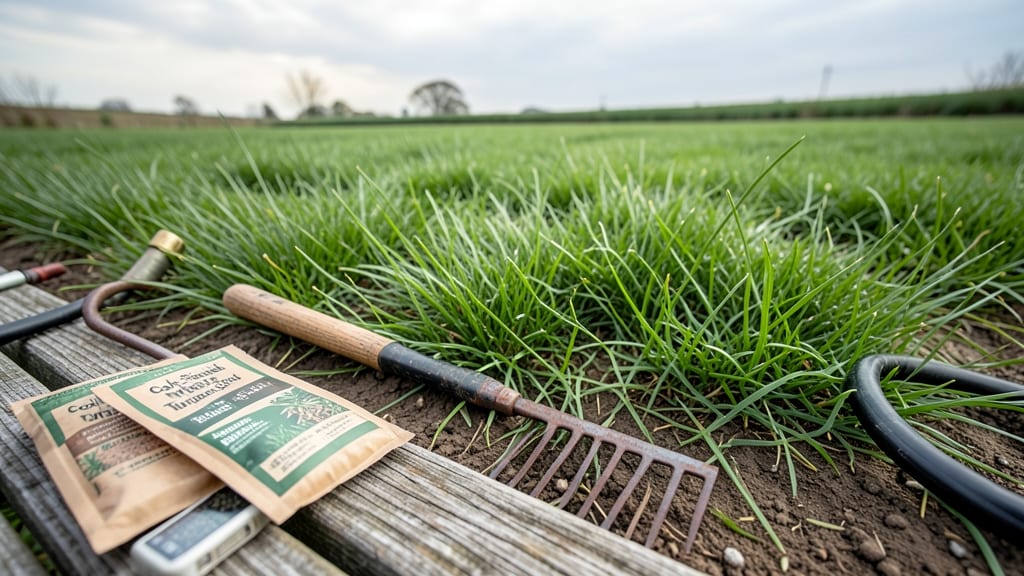
If you've ever stared at your Indiana lawn in early spring wondering when to plant grass in Indiana without risking frost damage, you're not alone. The difference between a lush, green carpet and a patchy disappointment often comes down to timing—and Indiana's unpredictable weather makes it tricky.
Here's the secret: success starts with soil temperature, not just calendar dates. When those top few inches hit 55°F, your grass seeds will finally wake up from dormancy.
But planting too early means frost will nip your seedlings in the bud, while waiting too late gives weeds a head start.
For Indiana gardeners in zones 5b-6b, the ideal windows are early spring (March-April) or early fall (September-October). We'll break down exactly when to plant based on your local frost dates and soil conditions—so you can skip the guesswork and get that perfect lawn.
Whether you're seeding a new yard or overseeding an existing one, these timing tips will help you establish grass that's thicker, greener, and more resilient from day one. Let's get your Indiana lawn on the right track.
Indiana grass planting timeline: soil temperature & frost-free deadlines
Indiana’s USDA zones 5b-6b create a unique challenge for grass planting—cool springs and early frosts demand precision. The ideal window is when soil temperatures consistently reach 55-65°F, signaling it’s safe for seeds to germinate without frost damage.
This typically falls in early spring (March-April) or early fall (September-October), but timing varies by region.
Northern Indiana (near Chicago border) has later last frosts (May 1), while southern Indiana (near Louisville) can plant 2-3 weeks earlier (mid-April). Always check your local frost-free date—planting too early risks killing tender seedlings, while waiting too long lets weeds steal your space.
Aim for 4-6 weeks before first frost in fall or after last frost in spring.
Here’s the critical timeline for Indiana gardeners, broken down by season and soil conditions:
| Season | Planting Window | Soil Temp Requirement | Key Considerations |
|---|---|---|---|
| Spring | Mid-April to early May | 55–65°F (consistently) | Wait until last frost date (avg. April 15). Northern IN may need to wait until May. |
| Fall | Mid-September to early October | 50–60°F (soil) | Plant 6 weeks before first frost (avg. Oct 15). Cooler temps reduce weed competition. |
| Avoid | Late May–July | N/A | Summer heat stresses seedlings. If repairing bare spots, use sod instead. |
For accurate local timing, use a soil thermometer to check depth (2 inches down). If temperatures dip below 50°F at night, cover new seedlings with frost cloth until roots establish. Fall planting is often more successful in Indiana because cooler temps slow weed growth and reduce watering needs.
Pro tip: Test your soil’s pH before planting—Indiana’s clay-heavy soils often need lime (to raise pH 6.0-7.0) for optimal grass growth. A quick test kit (available at garden centers) takes 5 minutes and saves you from poor germination later.
Remember, Kentucky Bluegrass and Tall Fescue (Indiana’s top choices) germinate best in moist, warm soil. Water lightly daily after planting to keep the top inch of soil damp until germination (typically 10-21 days). Overwatering can suffocate seeds, so use a spray nozzle instead of a heavy stream.
If you’re in Zone 6b (southern IN), you might squeeze in a late August planting, but monitor weather forecasts closely. A sudden cold snap can stall germination. For Zone 5b (northern IN), stick to the early September deadline to avoid winter risks.
After planting, mow high (3-4 inches) once grass reaches 3 inches to shade roots and retain moisture. This simple step can double your lawn’s drought resistance during Indiana’s unpredictable summers.
🌱
Best grass types for Indiana’s climate & when to plant them
Indiana’s humid continental climate and USDA zones 5b-6b make choosing the right grass type just as important as timing. The wrong variety can struggle with heat, humidity, or freeze-thaw cycles. Let’s break down the top three Indiana-friendly grasses and their ideal planting windows.
For northern Indiana’s cooler summers, Tall Fescue is my go-to—it thrives in shade to full sun and handles drought better than most.
Southern Indiana gardeners often prefer Kentucky Bluegrass for its rich green color, though it needs more water. Perennial Ryegrass is a fast germinator, perfect for quick coverage but less drought-tolerant.
Here’s how their planting windows align with Indiana’s two best seasons—spring and fall—plus their unique care needs:
| Grass Type | Best Planting Window | Indiana Adaptation | Care Tip |
|---|---|---|---|
| Tall Fescue | Late August–September OR Early April–May |
Drought-resistant; thrives in northern Indiana | Mow at 3–4 inches to avoid heat stress |
| Kentucky Bluegrass | Early September–October OR Mid-April–May |
Loves southern Indiana’s warmth but needs water | Water deeply 2x/week during summer droughts |
| Perennial Ryegrass | Early September OR Early April |
Fast-growing; ideal for shady areas | Mix with Tall Fescue for year-round coverage |
Pro tip: If you’re overseeding in fall, aim for 6–8 weeks before first frost (usually late September). This gives roots time to establish before winter. For spring planting, wait until soil temps hit 55°F—use a soil thermometer to check!
Indiana’s clay-heavy soils can also affect grass success. Amend with compost or sand before planting to improve drainage. And if your lawn gets partial shade, mix Tall Fescue with Fine Fescue for better coverage.
Remember, fall planting often yields better results than spring because cooler temps reduce weed competition and stress on young grass. Start with a soil test to adjust pH—most Indiana lawns need 6.0–7.0 for optimal growth.