
Companion Plants
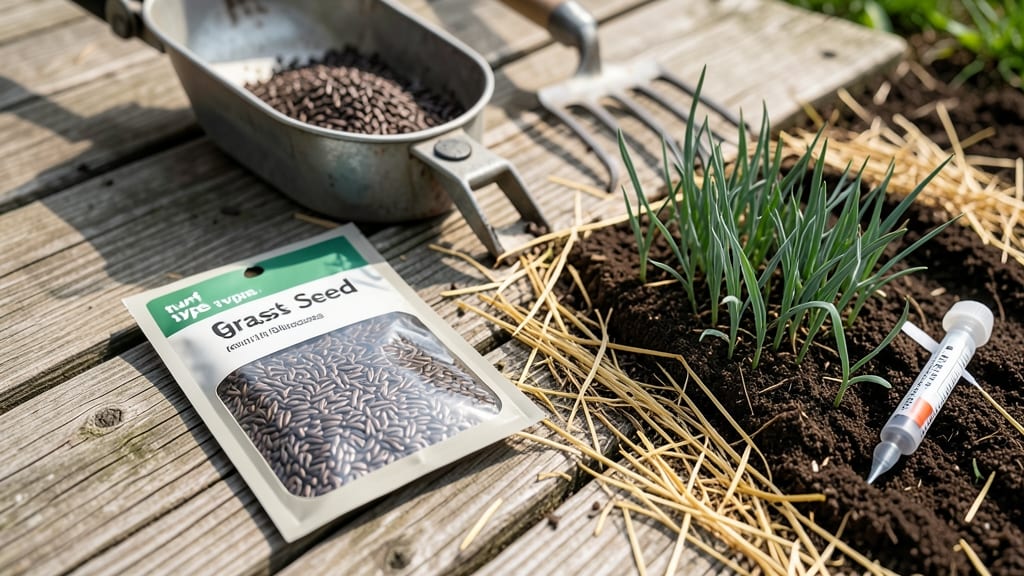
Planting grass seed in Pennsylvania’s spring can feel like a high-stakes game of timing—get it wrong, and you’re staring at a patchy lawn by summer.
The key isn’t just waiting for warmer weather; it’s understanding your USDA zone (5b-7a), soil temperatures, and regional frost risks that can turn your effort into a flop.
I’ve seen firsthand how a few degrees or a late frost can derail even the most careful plans. But here’s the good news: with the right approach, you can avoid common mistakes like planting too early and ensure your 🌱 thrives from the get-go.
Let’s break down the exact window—soil temps, frost-free dates, and all—to give your lawn the best possible start.
Whether you’re in southeastern PA where spring arrives earlier or up near Erie where patience is key, the rules change.
I’ll walk you through the optimal planting window, how to prep your soil, and what to watch for—so you can skip the guesswork and get straight to a lush, green result.
Ready to turn your lawn dreams into reality? Let’s dive into the step-by-step guide tailored just for Pennsylvania gardeners like you.
Optimal soil temperatures and frost-free dates for PA grass seed planting
Pennsylvania’s spring weather can be as unpredictable as a toddler’s mood—one day sunny, the next a surprise frost. To plant grass seed successfully, you need to nail two critical factors: soil temperature and frost-free dates.
Grass seeds typically germinate best when soil temps hit 50-65°F, but planting too early risks frost damage or slow growth. Let’s break down what you need to know for your specific PA hardiness zone.
PA spans USDA zones 5b-7a, meaning frost dates vary wildly. Southern PA (like Philadelphia) usually sees its last frost around March 15, while northern areas (like Erie) can wait until May 1.
Always check local forecasts—your neighbor’s lawn might be thriving while yours struggles if you’re in different zones. Use the USDA Plant Hardiness Zone Map and your local National Weather Service for precise timing.
Soil temperature is more important than air temperature. A soil thermometer (just $10 at garden centers) is your best friend here. Stick it 4 inches deep—that’s where your grass roots will be.
If it’s below 50°F, wait. If it’s above 70°F, you might risk drought stress. Aim for that 50-65°F sweet spot for 7-10 days straight before planting.
Here’s a quick rule of thumb: Plant 4-6 weeks after your average last frost date. This gives your grass a head start before summer heat arrives. For example, if your last frost is April 1, plant by May 1.
But don’t rush—if your soil is still cold or wet, wait. Patience here pays off with a thicker, healthier lawn.
Pro tip: Use a weather forecast app like AccuWeather or Weather Underground to track overnight lows. If temps dip below 32°F after planting, cover your seed with a lightweight frost blanket to protect tender sprouts. A little extra effort now saves you from replanting later.
🌱 PA Grass Planting Timeline by Zone
| Zone | Last Frost Date | Ideal Planting Window | Soil Temp Goal |
|---|---|---|---|
| 5b (Northeast PA) | May 1 | Late May - Early June | 50-65°F |
| 6a (Central PA) | April 15 | Mid-April - Mid-May | 50-65°F |
| 7a (Southeast PA) | March 15 | Early March - Early April | 50-65°F |
*Adjust for microclimates—valleys stay colder longer, while south-facing slopes warm up faster.
Don’t forget to prep your soil before planting. Test your soil pH—ideal for grass is 6.0-7.0. If it’s off, amend it with lime (to raise pH) or sulfur (to lower pH) 4-6 weeks before planting.
Also, loosen the top 2-3 inches of soil with a rake or tiller to improve seed-to-soil contact. Compacted soil = poor germination.
One common mistake? Planting based on air temperature alone. A sunny 70°F day can hide 40°F soil at night. Always check soil temp in the morning (after sunrise but before 10 AM) for the most accurate reading.
If your soil is still chilly, hold off—your grass seed will thank you later with faster, stronger growth.
Finally, keep an eye on your local rainfall forecast. Grass seed needs consistent moisture to germinate, but too much rain can wash it away. If dry conditions are forecasted, water lightly daily (about ¼ inch per day) until you see sprouts.
Use a sprinkler with fine mist to avoid displacing seeds.
Timing your grass seed planting in PA isn’t rocket science, but it does require a little homework. By checking soil temps, frost dates, and local conditions, you’ll set your lawn up for success—no matter where you are in the state. Happy planting! 🌱
Optimal soil temperatures and frost-free dates for PA grass seed planting
Pennsylvania’s spring weather throws curveballs—one day warm enough to plant, the next hit with a surprise frost. The key to success? Timing your grass seed planting when soil temperatures hit 50-65°F and staying 4-6 weeks after the last frost.
In PA’s USDA zones 5b-7a, this window typically opens in late March to early May, but regional differences matter.
Southern PA (zones 7a) often sees frost-free conditions by March 15, while northern zones (5b) may wait until May 1. Always check local frost dates using the USDA Plant Hardiness Zone Map or your local cooperative extension office—they provide hyper-local data that generic calendars miss.
Here’s the golden rule: Grass seed needs consistent warmth to germinate. A soil thermometer (just $10 at garden centers) is your best friend—plant only when temps stay above 50°F for 5+ days. Cold soil slows germination, leaving seeds vulnerable to rot or fungal diseases.
| PA Region | Avg. Last Frost | Ideal Planting Window | Soil Temp Requirement |
|---|---|---|---|
| Southern PA (Zones 7a) | March 15 | Late March–April | 50–65°F (10–18°C) |
| Central PA (Zones 6a-6b) | April 1 | Early April–Mid-May | 55–65°F (13–18°C) |
| Northern PA (Zones 5b-6a) | May 1 | Mid-May–Early June | 60–65°F (16–18°C) |
*Verify with local weather forecasts—PA’s microclimates can shift dates by weeks!
Don’t rely on air temperature alone—soil warms slower than the air. A 55°F day might still have 45°F soil, which stalls germination. For extra insurance, use a black plastic mulch for 1–2 weeks before planting to warm the soil faster. Just remove it once seeds are down!
Pro tip: If you’re overseeding an existing lawn, aim for early spring (March–April) to catch weeds before they take over. For new lawns, late spring (May) works too—just ensure no frost warnings for 2 weeks post-planting.
Remember: Rushing leads to failure. Waiting an extra week for perfect conditions beats watching your seed money wash away in a downpour or freeze under a late frost. Patience pays off with a thicker, greener lawn by summer. 🌱