
Companion Plants
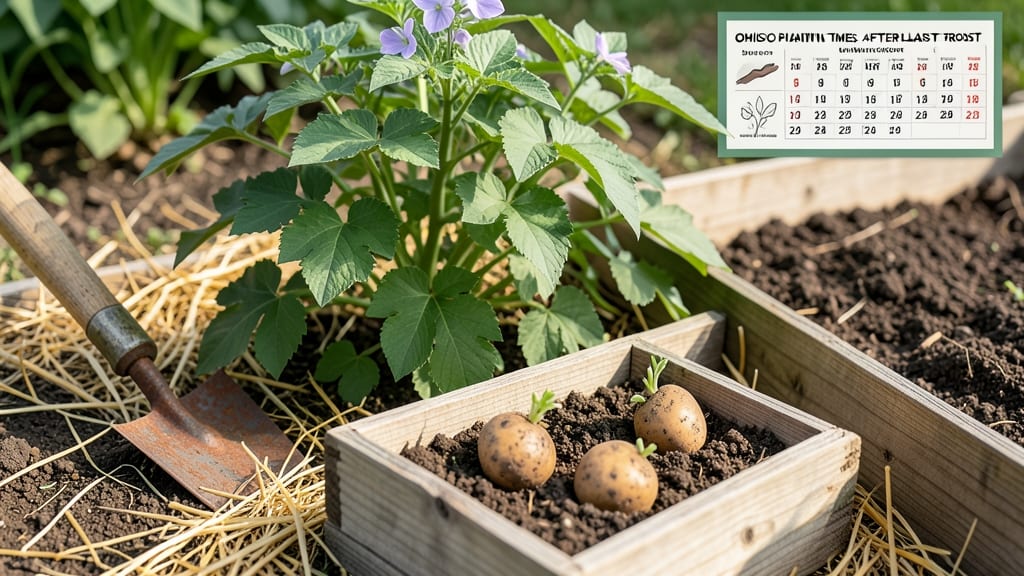
Planting potatoes in Ohio at the wrong time can mean the difference between a bountiful harvest and wasted effort—especially when frost lingers or temperatures swing unpredictably. Whether you're a seasoned gardener or just starting, getting the timing right is the key to avoiding stunted growth or early death of your 🥔 crop.
Ohio's Zone 6a climate gives you a narrow window—typically between late February and mid-April—for planting early varieties, but late frosts can throw off even the best-laid plans.
The secret isn't just waiting for the calendar date; it's understanding soil temperatures, frost averages, and how your specific region (north vs. south Ohio) behaves.
In this guide, I’ll break down the exact weeks before your last frost to plant for maximum yield, plus how to adjust if Mother Nature has other plans.
You’ll discover which varieties thrive in Ohio’s short season and when to expect harvest—so you can avoid common pitfalls and grow potatoes like a pro.
Ready to turn your garden into a potato powerhouse? Let’s get started with the precise planting schedule that works for Ohio’s unpredictable spring.
Ohio potato planting calendar: exact weeks before last frost by region
Ohio’s last frost dates vary dramatically by region—from March 20 in southern counties like Hamilton to April 20 in the northern USDA Zone 5 areas like Ashtabula. To avoid frost damage, plant your seed potatoes 4-6 weeks before your local last frost date.
This timing ensures tubers establish roots while still benefiting from Ohio’s warming spring soil.
For most Ohio gardeners, this means starting in mid-March for southern areas and waiting until early April in the north. Soil temperature is critical—potatoes need 45°F (7°C) minimum for germination, but 50-60°F (10-15°C) is ideal. Use a soil thermometer to confirm readiness before planting.
Here’s your Ohio potato planting timeline broken down by region, with frost dates and ideal soil temperatures:
| Region | Last Frost Date | Planting Window | Soil Temp for Germination | Notes |
|---|---|---|---|---|
| South Ohio (Zones 6-7) | March 20 - April 5 | March 1 - March 25 | 45-50°F (7-10°C) | Earliest planting zone; use early varieties like Red LaSoda. |
| Central Ohio (Zones 5b-6a) | April 1 - April 15 | March 15 - April 1 | 50-55°F (10-13°C) | Best for Yukon Gold and Kennebec varieties. |
| North Ohio (Zones 5a-5b) | April 15 - May 1 | April 1 - April 15 | 55-60°F (13-15°C) | Use cold-hardy varieties like Red Pontiac. |
Pro tip: If you’re unsure about frost dates, check the Old Farmer’s Almanac or your local Cooperative Extension Service for updated forecasts. For example, Columbus (Zone 6a) averages a last frost on April 10, so aim to plant by March 15.
Ohio’s short growing season (typically 165 frost-free days) means timing is everything. Plant too late, and your potatoes won’t mature before the first fall frost. Early varieties like Red Norland (90 days to harvest) are ideal for northern Ohio, while Russet Burbank (120 days) works better in southern regions.
For maximum yield, space your plantings 2-3 weeks apart to stagger harvests. This ensures a continuous supply of fresh potatoes from July through September, regardless of Ohio’s unpredictable spring weather.
Always plant seed potatoes (not grocery store potatoes) in well-draining soil mixed with compost. Cut larger seed potatoes into 2-inch chunks with at least 2-3 eyes per piece, and let them cure in sunlight for 24 hours before planting to prevent rot.
If you’re in a high-altitude area (e.g., near Hocking Hills), expect frost dates to shift 1-2 weeks later than lowland regions. Adjust your planting window accordingly to avoid frost damage to emerging sprouts.
🌱
How to adjust potato planting time for Ohio’s unpredictable spring weather
Ohio’s spring weather is famously unpredictable—one day it’s 60°F, the next a surprise frost. If you’ve ever planted potatoes only to see them nipped by late frost, you’re not alone.
The key is flexibility: knowing how to adjust planting dates, protect young plants, and choose the right varieties for Ohio’s USDA zones 5-7.
Start by monitoring your local frost dates. While the average last frost in Ohio is April 15, northern counties (like Toledo) can see frost as late as May 1, while southern areas (like Cincinnati) often warm up earlier.
Planting 4-6 weeks before your expected last frost gives seedlings time to establish roots before risking frost damage.
Here’s how to adapt your strategy when spring drags its feet:
Opt for early-maturing varieties like Yukon Gold or Red Pontiac, which can tolerate cooler soils and 40°F temperatures. These varieties sprout faster in 45-50°F soil, giving them a head start.
Spread straw or black plastic mulch over planted rows to warm soil faster and protect sprouts. Black plastic can raise soil temps by 5-10°F, helping potatoes germinate even in cool springs.
Divide seed potatoes into two planting batches: one 4 weeks before your last frost date and another 2 weeks after. This extends your harvest window and reduces risk from late frosts.
Use floating row covers or lightweight fabric to shield young plants from unexpected frosts. Remove covers when temps rise above 50°F to prevent overheating.
Wait until soil reaches 45°F (use a soil thermometer) before planting. Cold soil delays germination, leaving potatoes vulnerable to rot or frost.
If frost threatens after planting, cover rows with straw or old blankets. Remove covers during the day to allow sunlight and replace them at night.
Ohio’s variable weather can also bring excess rain or drought. Waterlogged soil suffocates roots, while dry spells stunt growth. Aim for 1 inch of water per week, and always water in the morning to reduce fungal risks like blight.
By combining cold-tolerant varieties, mulching, and flexible planting dates, you’ll turn Ohio’s unpredictable spring into an advantage. Even if Mother Nature throws a curveball, your potatoes will still thrive—just a little later than expected!