
Plants
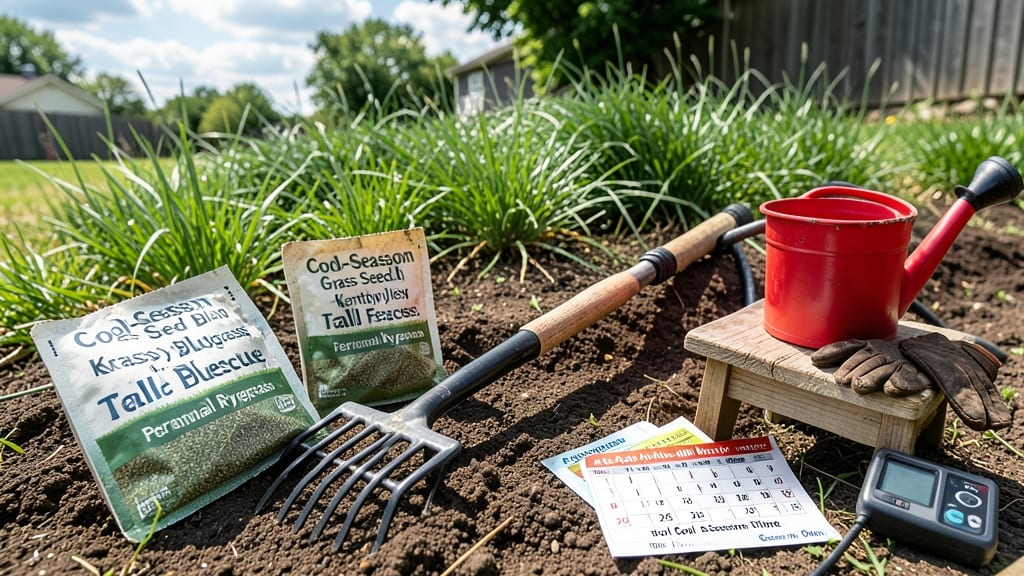
Planting your 🌱 grass at the right time in Ohio spring isn't just about luck—it's about avoiding those frustrating patches and frost damage that can set your lawn back months. With Ohio's unpredictable weather, knowing when to plant can mean the difference between a vibrant lawn and endless repairs.
The key is timing it perfectly between soil temperature and frost-free dates, which vary dramatically across the state. Whether you're in Columbus, Cleveland, or Cincinnati, understanding your local microclimate ensures your grass gets the best possible start.
Let me show you exactly when to plant for maximum success in your specific Ohio region.
You'll discover how to read soil warmth signs, adjust for early or late springs, and avoid common mistakes that waste time and money. By the end, you'll have a clear, actionable timeline tailored to Ohio's 6a zone and beyond.
Ready to transform your lawn? Let's dive into the science and strategies that will give you a head start on that lush, green carpet you've been dreaming of.
Ohio spring grass planting timeline: frost-free dates by region
Ohio’s spring weather varies dramatically from the southern regions like Cincinnati to the northern areas near Cleveland. Getting your grass seed in the ground at the right time ensures strong germination and avoids frost damage.
The key is planting 4-6 weeks before your area’s average last frost date, which shifts across Ohio’s USDA zones 5-7.
For most of Ohio, the ideal window opens in mid-to-late March in southern zones and stretches into late April in northern areas. However, a late frost can push this back by weeks. Always check your local frost-free date—not just the calendar—to time your planting perfectly.
Here’s how Ohio’s major cities compare, based on 30-year averages from the National Weather Service:
If you’re in a microclimate—like a low-lying area or near a lake—your frost dates may differ by 1-2 weeks. Use a local weather app or the Old Farmer’s Almanac to track real-time conditions. For example, Toledo’s Maumee Bay area often warms up faster than inland spots.
For cool-season grasses (like tall fescue or Kentucky bluegrass), aim to plant when soil temps hit 50°F (10°C). Warm-season grasses (like Bermuda or Zoysia) need to wait until soil is 65°F+ (18°C), typically late spring. Always check your seed packet for specifics!
Pro tip: If you’re unsure, opt for early April planting in most of Ohio. This gives seeds time to establish roots before summer heat arrives. Just be ready to cover new grass with frost blankets if a late freeze hits.
Remember, soil temperature matters more than air temperature. A soil thermometer ($10 at garden centers) is your best friend for nailing the perfect planting window. I’ve seen seeds fail to germinate even in 60°F air if the soil was still 45°F.
Once you’ve planted, consistent watering (1 inch per week) is critical for the first 30 days to help roots establish. Skip this, and your grass may struggle to compete with weeds or drought later in the season.
Ideal soil temperature for grass seed germination in Ohio
Ohio’s spring weather can swing from chilly mornings to warm afternoons—making soil temperature the real deciding factor for grass seed success. Cool-season grasses like tall fescue and Kentucky bluegrass need soil temps of 50–60°F to germinate, while warm-season varieties such as Bermuda grass wait for 70°F+.
Testing your soil’s warmth with a soil thermometer (available for $10–$20) is the surest way to avoid wasted seeds.
A 30-minute check in the early morning reveals whether your lawn is ready. Most Ohio regions hit 55°F by mid-April, but northern areas like Cleveland may need to wait until late April.
Southern Ohio (e.g., Cincinnati) often reaches ideal temps by early April. Pro tip: If your soil is below 50°F, delay planting—even if frost risk seems low.
Adjusting for Ohio’s microclimates is key. Urban heat islands (like Columbus) can warm up faster than rural areas, while shaded spots may stay cooler. Use a shade cloth or row covers to protect young seedlings if nighttime temps dip below 45°F. For warm-season grasses, wait until late May or early June when soil consistently stays above 70°F for 7+ days.
Soil thermometers aren’t just for pros—even beginner gardeners can use them. Stick the probe 2 inches deep (where seeds will be) and check at the same time daily. If temps fluctuate wildly (e.g., 60°F in the day, 40°F at night), hold off until conditions stabilize. Remember: Germination slows below 50°F, and seeds may rot if planted too early.
Alternative methods include pressing your hand into the soil—if it feels warm but not hot, it’s likely in the 50–60°F range. For warm-season grasses, wait until you can comfortably leave your hand in the soil for 5+ seconds. Ohio’s USDA Zone 5–6 means early springs are common, so flexibility is your best tool.
Post-planting care hinges on maintaining that ideal soil temp. Water deeply 2–3 times daily (about ¼ inch each time) to keep the topsoil warm and moist. Avoid overhead sprinklers, which can wash away seeds. Mulch lightly with straw (not wood chips) to insulate the soil and retain warmth.
Signs your soil is ready include:
- Sprouts emerging in 7–14 days (for cool-season grasses).
- No frost predicted for 5+ days after planting.
- Soil smells earthy, not damp or frozen.
If you miss the spring window, don’t panic—fall planting (September–October) is just as effective for cool-season grasses. But for warm-season types, summer’s heat is your only shot.
🌱