
Plants
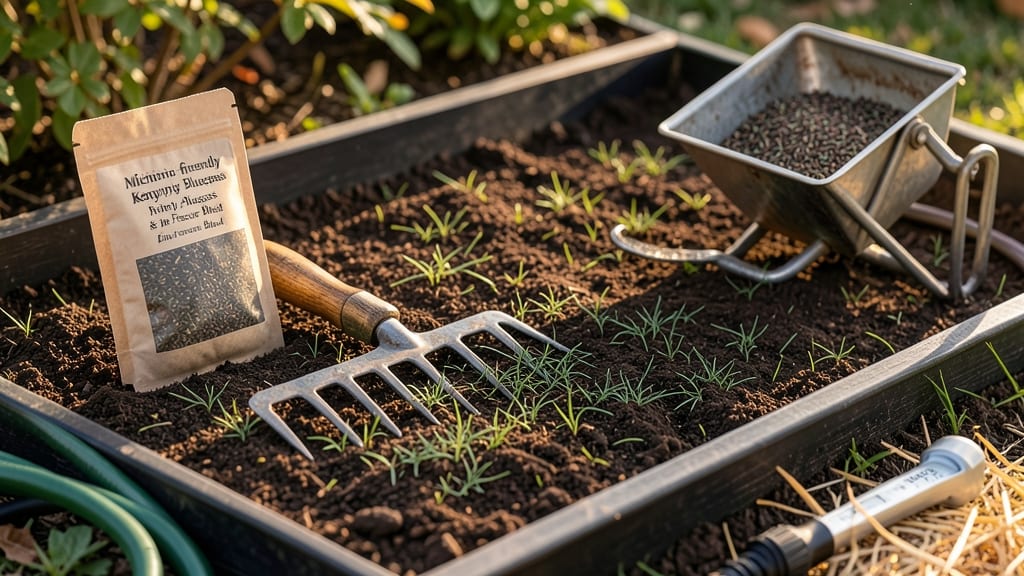
Planting grass seed in Michigan’s spring is all about timing—get it right, and you’ll enjoy a vibrant lawn by summer; get it wrong, and you might be battling frost or patchy growth all season.
The key to success lies in understanding your local frost-free dates and soil temperatures, which can shift dramatically from northern Michigan’s 5a zone to southern Michigan’s 6b.
For most of Michigan, the ideal window opens around mid-April to early May, once soil temperatures consistently reach 50-55°F—the perfect range for cool-season grasses like Kentucky Bluegrass or Tall Fescue to germinate.
But don’t rush: planting too early risks frost damage, while waiting too long might mean weeds take over before your grass gets a foothold.
In this guide, I’ll break down exactly when to plant based on your region, how to prep your soil for maximum germination, and the 3 critical steps to keep your new grass thriving through Michigan’s unpredictable spring weather.
Whether you’re seeding a new lawn or overseeding an existing one, these tips will help you avoid common mistakes and set your grass up for long-term success.
Ready to transform your yard? Let’s dive into the precise timing, tools, and techniques that’ll give you the lush, green lawn you’ve been dreaming of—without the guesswork.
Michigan’s ideal soil temperature & frost-free timeline for planting grass seed
Michigan’s spring weather is famously unpredictable, but cool-season grasses like Kentucky Bluegrass and Fine Fescue thrive when planted at the right time. The key is waiting until the soil temperature consistently stays between 50-55°F—this ensures strong germination before summer heat arrives.
In most of Michigan, this typically happens 4-6 weeks before the last frost date, which varies dramatically between the Upper Peninsula and Southern Michigan.
For Northern Michigan (USDA Zones 4-5), like Traverse City or Marquette, the frost-free window often opens in mid-to-late May. Meanwhile, Southern Michigan (Zones 6-7), including Detroit or Ann Arbor, can start planting as early as late March to early April.
Central Michigan (Zone 5-6) falls somewhere in between, usually targeting early April for optimal results.
To pinpoint your exact planting window, check the USDA Plant Hardiness Zone Map and cross-reference it with your local frost-free dates. For example, Tall Fescue, a warm-season grass, can tolerate slightly warmer soil, while Perennial Ryegrass germinates faster in cooler conditions.
Always aim to plant at least 6 weeks before summer’s peak heat to avoid stressing young seedlings.
🌱
Michigan Grass Seed Planting Timeline
| Region | USDA Zone | Ideal Planting Window | Soil Temp Threshold | Last Frost Date |
|---|---|---|---|---|
| Northern Michigan | 4-5 | Mid-to-late May | 50-55°F | Mid-May to early June |
| Central Michigan | 5-6 | Early April | 50-55°F | Mid-April to early May |
| Southern Michigan | 6-7 | Late March to early April | 50-55°F | Early April to mid-April |
*Adjust for early/late frosts using local almanac data.
If you’re unsure about your exact frost-free date, use a soil thermometer to monitor temperatures. Plant when the soil stays above 50°F for 5-7 consecutive days. This ensures the seed won’t be shocked by late frosts, which can kill young sprouts before they establish roots.
For overseeding damaged lawns, early spring is ideal—just be ready to protect new seedlings with lightweight frost cloth if temperatures dip below freezing.
Another critical factor is moisture retention. Michigan’s spring often brings variable rainfall, so prepare your soil by adding compost or peat moss to improve water retention. This is especially important in sandy soils, like those found in Western Michigan, where moisture drains too quickly.
Aim to keep the top 1-2 inches of soil consistently moist until germination, which typically takes 14-21 days for cool-season grasses.
For shade-tolerant grasses, like Fine Fescue, you can plant slightly earlier in Southern Michigan (as early as February in mild winters), but avoid planting in Northern Michigan before April due to frost risk.
Always choose a high-quality seed blend suited to your region’s climate—this makes a huge difference in germination rates and long-term lawn health.
🌿
Pro tip: If you’re planting in early spring, consider using a starter fertilizer with high phosphorus (P) to encourage root development. Avoid weed-and-feed products during germination, as they can harm young grass.
Instead, apply a light nitrogen (N) feed once the grass reaches 3-4 inches tall to promote lush growth without burning tender seedlings.
Finally, don’t forget to test your soil pH before planting. Most cool-season grasses prefer a pH of 6.0-7.0. If your soil is too acidic or alkaline, amend it with lime (to raise pH) or sulfur (to lower pH) at least 4-6 weeks before seeding.
This gives the soil time to adjust and creates the perfect environment for your new grass to thrive.
☀️
Michigan’s ideal soil temperature & frost-free timeline for planting grass seed
Michigan’s spring weather can be as unpredictable as a Michigan blizzard—one day sunny, the next with a surprise frost. For cool-season grasses like Kentucky Bluegrass or Fine Fescue, the key is planting when soil temperatures consistently reach 50-55°F and the risk of frost has passed.
This typically falls between mid-April and early May, but exact timing depends on your region.
Northern Michigan (USDA Zones 4-5) often waits until late April to early May, while Southern Michigan (Zones 6-7) can start as early as mid-April. The USDA Plant Hardiness Zone Map is your best friend here—check your zone to fine-tune your timing.
For example, Tall Fescue is more adaptable to cooler soils, so it might germinate a few weeks earlier than Kentucky Bluegrass.
🌱 Michigan Grass Seed Planting Timeline by Region
| Region | USDA Zone | Ideal Planting Window | Soil Temp Threshold | Last Frost Date |
|---|---|---|---|---|
| Northern Michigan | 4a-5b | Late April - Early May | 50-55°F | Mid-May |
| Central Michigan | 5b-6a | Mid-April - Late April | 50-55°F | Early May |
| Southern Michigan | 6a-6b | Early April - Mid-April | 50-55°F | Late April |
⏰ Pro Tip: Use a soil thermometer to confirm temps before planting—cold soils delay germination.
To refine your timing, monitor the 10-day forecast for stable temperatures above 40°F at night. If frost is predicted within 7-10 days of planting, delay until conditions improve. For overseeding existing lawns, aim for early spring (March-April) to fill thin patches before summer heat sets in.
Don’t overlook soil preparation—test your soil’s pH (ideal range: 6.0-7.0) and amend with compost or lime if needed. Cool-season grasses thrive in well-draining soil, so avoid planting after heavy rains that could compact the ground.
Once you’ve nailed the timing, focus on seed selection. Tall Fescue tolerates heat and drought, while Fine Fescue handles shade better. Mixing varieties can create a resilient lawn that adapts to Michigan’s variable climate.
Remember: Early spring planting gives grass a head start, but rushing too soon risks frost damage. Patience pays off—wait for consistent warmth and you’ll see germination in 7-21 days, depending on the variety and weather.