
Plants
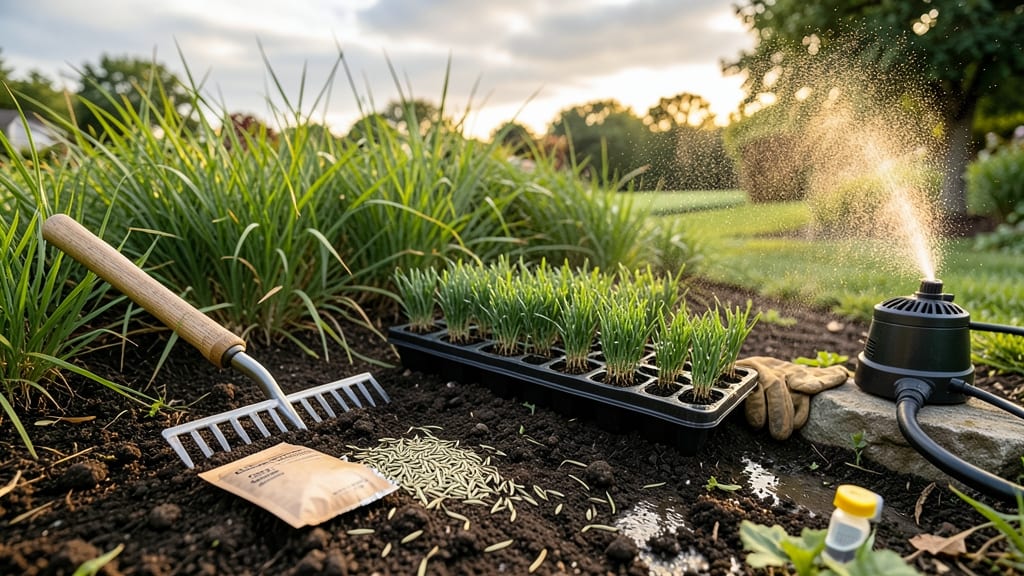
Planting your 🌱 turfgrass in Tennessee at the wrong time—when to plant grass in TN—can turn your dream green lawn into a patchy, high-maintenance headache, especially when you consider how drastically the climate shifts from the Smokies to Nashville.
The key isn’t just picking a month from the calendar; it’s understanding your microclimate zone and the type of grass you’re planting.
Cool-season grasses like fescue thrive when soil temperatures dip below 65°F, making late winter to early spring the perfect window for northern Tennessee. Meanwhile, warm-season varieties like Bermuda or Zoysia need the heat of late summer—think August or September—to establish roots before winter sets in.
But here’s the catch: even within Tennessee, planting times vary by USDA Zone 6a-8a. Chattanooga’s warmer microclimate might let you seed a month earlier than Knoxville, where frost lingers longer.
I’ll break down the best months for your specific area and how to prep your soil for success—so you avoid the common mistakes that leave lawns struggling.
Ready to transform your yard into a lush, low-stress landscape? Let’s dive into the exact timing, tools, and tricks that work for Tennessee’s diverse climate—no guesswork required.
Best months to plant grass in Tennessee by microclimate zone
Tennessee’s three distinct regions—East, Middle, and West—each demand different planting strategies for grass. The humid East (like Knoxville) thrives with early spring plantings, while the drier West (like Memphis) favors late summer.
Even within these zones, elevation changes the game: high-altitude areas (like the Smokies) need adjustments of 2-4 weeks earlier than valleys.
Your grass type matters too: cool-season grasses (like tall fescue) love spring or fall plantings, while warm-season grasses (like Bermuda) demand late summer heat. Ignoring these rules can mean seed washing out in spring rains or wilting in summer droughts.
Soil temperature is your true north. Aim for 55-65°F—cold soil stalls germination, while heat stresses seedlings. Use a soil thermometer ($10 at garden centers) to check before planting. In East TN, this window opens in early April; in West TN, it’s mid-August.
Here’s how to align your planting with Tennessee’s zones, grass types, and soil conditions for a lush lawn:
Notice how West Tennessee’s late summer window avoids the brutal July heat, while East Tennessee’s spring timing dodges late-spring frosts. Even within Nashville’s USDA 7a zone, your yard’s microclimate (shady vs. sunny) can shift ideal timing by 1-2 weeks.
Test your soil’s moisture retention—sandy soils dry faster and need earlier plantings.
For cool-season grasses, I always plant in early spring (March-April) because the soil warms gradually, giving seeds time to establish before summer stress. In contrast, warm-season grasses like Bermuda need the dog days of August to germinate quickly before fall cools down.
Pro tip: If you’re in Middle TN, you can actually plant both—cool-season in spring and warm-season in fall—for year-round green.
Don’t overlook overseeding in fall (September-October) for existing lawns. This is when 60% of Tennessee lawns get their thickest growth, thanks to cooler temps and consistent rainfall. Use a slit seeder to avoid disturbing established grass too much.
One common mistake? Planting warm-season grass in May. By then, the soil is too hot, and seedlings bolt (spike up too fast) or bake in the sun. Always check the 7-day forecast—you want no rain for 3-5 days post-planting to avoid seed washout.
In West TN, I’ve seen seedling failure rates drop by 40% just by shifting from May to August.
Use this zone guide as your starting point, but adjust for your yard’s specific conditions. A south-facing slope in Chattanooga might need planting 2 weeks earlier than a shaded valley. Pay attention to your lawn’s traffic patterns too—high-use areas need more established roots before heavy foot traffic.
Best months to plant grass in Tennessee by microclimate zone
Tennessee’s three distinct regions—East, Middle, and West—each demand different planting strategies for grass. Cool-season grasses like tall fescue thrive in early spring (March-April), while warm-season grasses such as Bermuda or Zoysia prefer late summer (August-September).
Your local USDA zone (6a-8a) and soil temperature (ideal: 55-65°F) dictate the perfect window.
In East Tennessee (USDA 6a-7a), late March to early April is prime for cool-season grasses, while West Tennessee (7b-8a) can extend planting until mid-April due to milder winters. Middle Tennessee (6b-7a) splits the difference—plant cool-season grasses in April and warm-season varieties in late August to avoid summer heat stress.
🌱 Soil temperature matters more than calendar dates. Use a soil thermometer to confirm 55°F+ for cool-season or 65°F+ for warm-season grasses. In high-altitude areas (e.g., Great Smoky Mountains), wait until after the last frost (mid-April) to avoid seed washout.
🌱 Tennessee Grass Planting Guide by Zone
| Zone | Grass Type | Best Planting Months | Soil Temp Threshold | Key Consideration |
|---|---|---|---|---|
| East TN (6a-7a) | Tall Fescue, Kentucky Bluegrass | March 20 - April 15 | 55-60°F | Wait for last frost (mid-April) |
| Middle TN (6b-7a) | Bermuda, Centipede | August 1 - September 15 | 65-70°F | Avoid September planting in drought-prone areas |
| West TN (7b-8a) | Zoysia, St. Augustine | July 15 - August 31 | 70-75°F | Irrigate daily for 2 weeks post-planting |
For warm-season grasses, August is ideal in Middle and West Tennessee because daytime temps stay consistently above 80°F, reducing stress. In East Tennessee, delay until late August to avoid late-summer droughts. September plantings work but require extra irrigation to establish roots before winter.
Pro tip: Test soil moisture before planting. Stick a screwdriver into the ground—if it goes in easily, soil is too wet; if it resists, water 24 hours before seeding. Morning planting (before 10 AM) minimizes evaporation and seed loss.
🌿 Remember, overseeding (adding seed to existing lawns) follows the same rules. For patchy lawns, focus on spring overseeding in March-April for cool-season grasses. Fall overseeding (September) works for warm-season varieties in southern TN zones.