
Plants
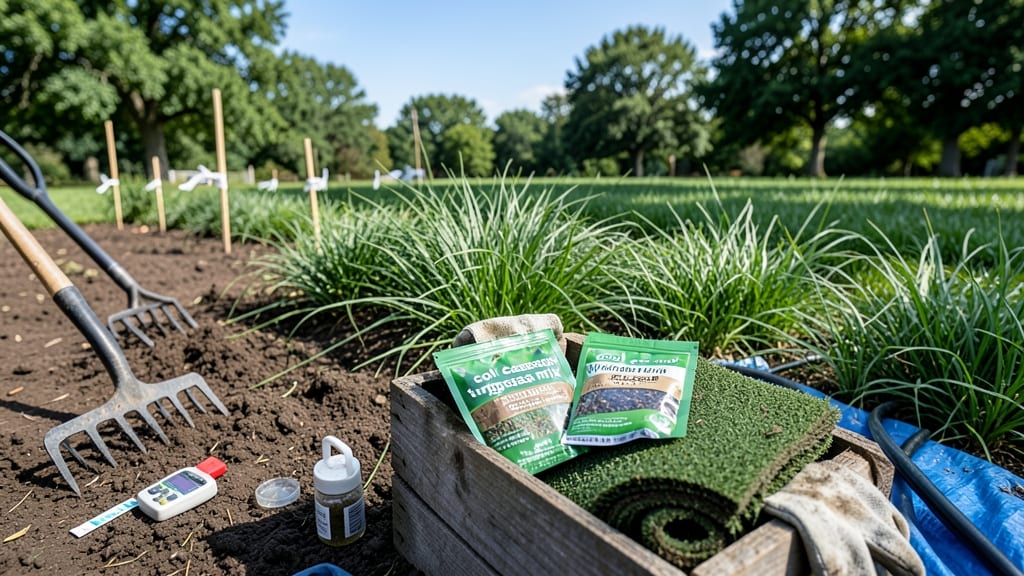
The perfect time to plant grass in Virginia can make or break your lawn’s success—and getting it wrong means battling weeds, slow growth, or even winter kill. Whether you’re seeding a new yard or overseeding an existing one, timing is everything, especially in Virginia’s 6a-8a zones where climate shifts dramatically between coastal, Piedmont, and mountain regions.
Most homeowners swear by early fall (September-October) as the gold standard, but spring (March-April) also works if you act fast. The key? Planting when soil temps hover between 60-70°F—too hot or cold, and your grass struggles to germinate.
I’ll break down the exact windows for each Virginia region, so you can avoid common mistakes like planting too late in spring or ignoring frost dates.
Why does this matter? Because a well-timed planting leads to faster germination, fewer weeds, and a lawn that stays green longer.
We’ll cover soil prep, weather checks, and post-planting care tailored to Virginia’s unique climate—so you can skip the guesswork and get that lush, 🌱green carpet you’ve been dreaming of.
Ready to transform your yard? Let’s dive into the best months to plant, regional tweaks, and the 5 critical mistakes that kill grass projects in Virginia—so you can nail it the first time.
Best months to plant grass in Virginia by region (coastal, Piedmont, mountain)
Virginia’s diverse climate—from the humid coastal plains to the cooler mountains—means the best time to plant grass varies by region. Fall is the gold standard for most areas, but spring works too if you act fast.
Let’s break down the ideal windows for Virginia’s three key zones to ensure your grass takes root before weeds or extreme weather take over.
In Coastal Virginia (USDA Zones 7b-8a), mild winters and hot summers demand precise timing. September 15–October 15 is prime for fall planting, while March 1–April 15 works for spring. The coastal humidity means seeds need to germinate quickly before fungal diseases set in.
For Piedmont (Zones 6b-7a), the window narrows slightly due to hotter summers: September 1–October 10 for fall and March 15–April 10 for spring.
Mountain regions like the Blue Ridge (Zone 6a) have cooler temps, so you can stretch fall planting to October 1–November 1. Spring planting here starts later: April 1–May 1.
The key? Avoid planting when soil temps exceed 85°F or drop below 50°F, as both stress seeds. Use a soil thermometer to check—ideal temps are 60–70°F.
Why fall dominates: Cooler air, warmer soil, and fewer weeds give grass a head start. Fall-planted grass also establishes deeper roots before winter, surviving freezes and droughts better than spring seedlings. In Virginia, fall planting success rates can be 3x higher than spring if timed correctly.
Here’s how Virginia’s frost dates shape your planting window:
For cool-season grasses (like tall fescue and Kentucky bluegrass), which thrive in Virginia, fall planting is critical.
These grasses grow best at 60–75°F soil temps, which align perfectly with September–October. Warm-season grasses (like bermudagrass or zoysia) can handle spring planting but struggle if seeded too late—aim for April–May in the Piedmont and May–June in the mountains.
Pro tip: If you miss the ideal window, don’t panic. August is a secondary month for coastal areas, while late April can work in the mountains. Just be ready to water deeply and protect seedlings from heat stress.
Always check a 7-day forecast before planting—consistent moisture for the first 2–3 weeks is non-negotiable.
Regional quirks matter: Coastal areas may face hurricane delays in late summer, while mountain regions risk early snow. Adjust your timing by 1–2 weeks if your area’s microclimate runs cooler or wetter than average. For example, Norfolk’s humidity demands faster germination, so plant 2 weeks earlier than the Piedmont.
Lastly, avoid planting in summer—Virginia’s heat (especially in Zone 8a) can cause seeds to dry out before germinating. If you’re repairing a lawn in summer, use sod instead of seed. For most homeowners, fall planting is the easiest path to a thick, weed-resistant lawn by next spring. 🌱
How to prepare your soil for fast grass germination in Virginia’s climate
Virginia’s humid summers and freezing winters create unique challenges for grass seed germination. To ensure your new lawn thrives, start with a well-aerated, nutrient-rich soil that holds moisture without becoming waterlogged.
The key is balancing organic matter, pH levels, and proper tilling—especially in regions like the Piedmont’s clay-heavy soils or the coastal areas’ sandy loam. Skipping this step can lead to slow germination, weed competition, or even seed rot.
First, test your soil’s pH level using a home kit or send a sample to your local Virginia Cooperative Extension office. Grass prefers a pH between 6.0 and 7.0. If your soil is too acidic (common in mountain regions), amend it with lime (calcium carbonate).
For alkaline soils (often found in coastal areas), add sulfur or peat moss to lower the pH gradually. This adjustment can take 2-3 months, so plan ahead!