
Plants
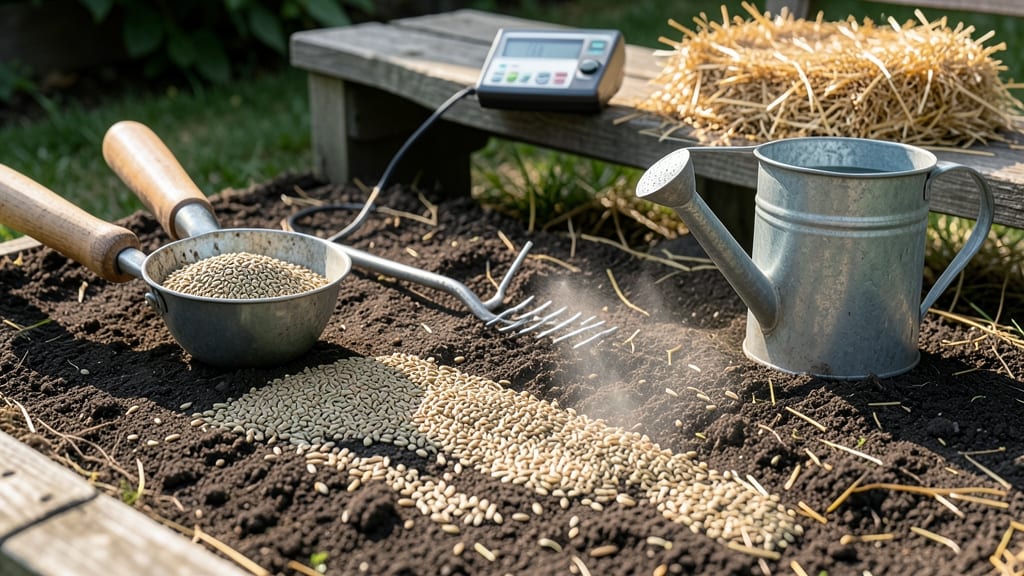
Timing your grass seed planting in Missouri in spring isn't just about avoiding frost—it's about giving your 🌱 lawn the perfect head start for survival through the state's unpredictable weather swings.
Missouri's 5b-6b climate means your northern counties face later frosts than southern areas, creating a 3-4 week window difference that can make or break your lawn's success.
Plant too early, and a late frost will turn your fresh seedlings into crispy snacks. Too late, and summer's heat will stress young roots before they establish.
The ideal window actually starts 4-6 weeks after your last frost date, when soil temperatures consistently hit 55°F+—a sweet spot that varies from early April in southern Missouri to late April in the north.
But here's the kicker: even within that window, your grass type matters. Cool-season varieties like Kentucky Bluegrass need that early spring slot, while warm-season grasses like Bermuda prefer late spring planting.
I'll break down exactly how to calculate your local timing using NOAA frost data and what prep work ensures your seed takes root like a champ.
Skip the guesswork and learn how to plant at the perfect moment—because in Missouri, a well-timed lawn isn't just about looks, it's about survival. Let's get your grass off to the strongest possible start this season.
Missouri’s ideal grass-seeding window: exact weeks after last frost for success
Missouri’s spring weather swings wildly—one day it’s 32°F with frost, the next 75°F and sunny. That volatility makes grass seeding timing a high-stakes decision. Planting too early risks frost damage to tender seedlings, while waiting too long lets summer heat stunt germination.
The key? A 4-6 week window after your average last frost date, adjusted for Missouri’s northern vs. southern microclimates.
For most of Missouri, this means seeding between mid-April and early May in the north (e.g., St. Joseph) and late March to mid-April in the south (e.g., Poplar Bluff). But don’t guess—check your local USDA Plant Hardiness Zone (5b-6b) and NOAA frost records for precision.
I’ll break down the exact weeks after last frost for each grass type and how Missouri’s clay-heavy soils affect timing.
🌱 Did You Know? Missouri’s northern regions (like Columbia) often see frost until April 15, while southern areas (like Springfield) may be frost-free by March 20. A 2-week difference can mean the difference between thick grass and patchy failure.
| Region | Avg. Last Frost | Ideal Seeding Window | Grass Type |
|---|---|---|---|
| Northern MO (e.g., St. Joseph, Kansas City) | April 15 | May 1–15 | Cool-season (Kentucky Bluegrass, Tall Fescue) |
| Central MO (e.g., Columbia, Jefferson City) | April 1 | April 15–May 1 | Cool-season or Warm-season (Bermuda, Zoysia) |
| Southern MO (e.g., Springfield, Poplar Bluff) | March 20 | March 25–April 10 | Warm-season (Bermuda, Zoysia) |
| Missouri River Valley (e.g., St. Louis) | March 31 | April 15–May 1 | Cool-season (Tall Fescue preferred) |
📋 Missouri Grass-Seeding Timeline by Region
Your local extension office (e.g., University of Missouri Extension) can pinpoint your exact last-frost date. For example, St. Louis averages March 31 for last frost, so I seed cool-season grasses by April 15.
Meanwhile, in Joplin, I wait until mid-April to avoid late frosts. Warm-season grasses like Bermuda can handle Missouri’s heat better, so they get a 2-week later window.
Missouri’s clay soils add another layer of complexity. They warm slowly in spring, so even if air temps hit 60°F, your soil might still be 45°F—too cold for cool-season grass seeds to germinate.
Use a soil thermometer to confirm 50°F+ for Kentucky Bluegrass or 65°F+ for warm-season types.
Pro tip: If you’re seeding in shaded areas (e.g., under trees), delay planting by 1-2 weeks. Shade slows soil warming and grass growth, so you’ll need that extra time for root establishment. I’ve seen Tall Fescue thrive in partial shade when planted 2 weeks later than sunny patches.
For overseeding existing lawns, aim for early fall (September) instead of spring. Fall’s cooler temps and higher humidity give seeds a 6-8 week growing window before winter dormancy. But if you’re starting from scratch, spring is your best bet—just time it right.
Remember: Missouri’s weather is unpredictable. Even if your neighbor seeds in early April with success, a late frost could wipe out their lawn. I always have a backup plan: a row cover or lightweight tarp to protect seedlings if unexpected frost hits.
Once you’ve nailed the timing, prep your soil 2-3 weeks ahead. Aerate clay-heavy areas, loosen compacted soil, and add compost to improve
5 Critical factors that determine your planting schedule (beyond frost dates)
Missouri’s spring planting window isn’t just about frost dates—your soil temperature, rainfall patterns, and even humidity levels play huge roles. For cool-season grasses like Kentucky Bluegrass, aim for 50°F soil temps or warmer, while warm-season varieties like Bermuda grass need 65°F+ to germinate properly.
In northern Missouri, this often means waiting until late April, while southern regions can start as early as mid-March.
Another key factor is moisture consistency. Missouri’s spring showers can be unpredictable—planting when weekly rainfall averages 1 inch reduces the need for manual watering.
Check your local NOAA climate data for your specific area, as St. Louis and Kansas City can have 2-week differences in ideal planting windows due to microclimates. Shaded lawns also need adjusted timing; cool-season grasses tolerate shade better but may need 2-3 extra weeks of establishment.
Don’t overlook humidity and wind patterns. High humidity can slow germination, while strong winds dry out seeds too quickly. Southern Missouri’s higher humidity often means faster seedling growth, while western regions may require extra mulching to retain moisture.
Even soil type matters—Missouri’s clay-heavy soils can compact and suffocate seeds if not amended with compost before planting.
Here’s how to adjust your schedule based on these factors:
Cool-season grasses: 50°F+ | Warm-season grasses: 65°F+
Target 1 inch/week (natural or supplemental)
High humidity = faster growth; low humidity = extra mulch
Wind >10 mph? Use windbreaks or plant after rain
Clay soil? Amend with compost before planting
For example, if you’re in St. Louis with clay soil and moderate humidity, aim for late April planting when soil temps hit 55°F and forecast shows consistent rainfall.
In contrast, Kansas City’s drier climate may require supplemental watering and an earlier start in early April to avoid summer drought stress. Always test your soil pH (6.0-7.0 ideal) and adjust with lime or sulfur before seeding.
Pro tip: Use a soil thermometer ($10 at garden centers) to monitor temps daily—this eliminates guesswork. If your area experiences late frosts (common in northern MissouriMay 1 to avoid seedling damage.
Remember, cool-season grasses can handle light frost after germination, but warm-season types will fail if temps drop below 55°F.
Finally, account for shade variations. Lawns with partial shade (4-6 hours of sun) should plant 2-3 weeks earlier than full-sun areas, as cooler microclimates slow growth. Full shade lawns may require shade-tolerant varieties like Fine Fescue, which germinates slower but thrives in low light.
Always water deeply after planting to encourage strong root establishment—this is your best defense against Missouri’s unpredictable spring weather.