
Plants
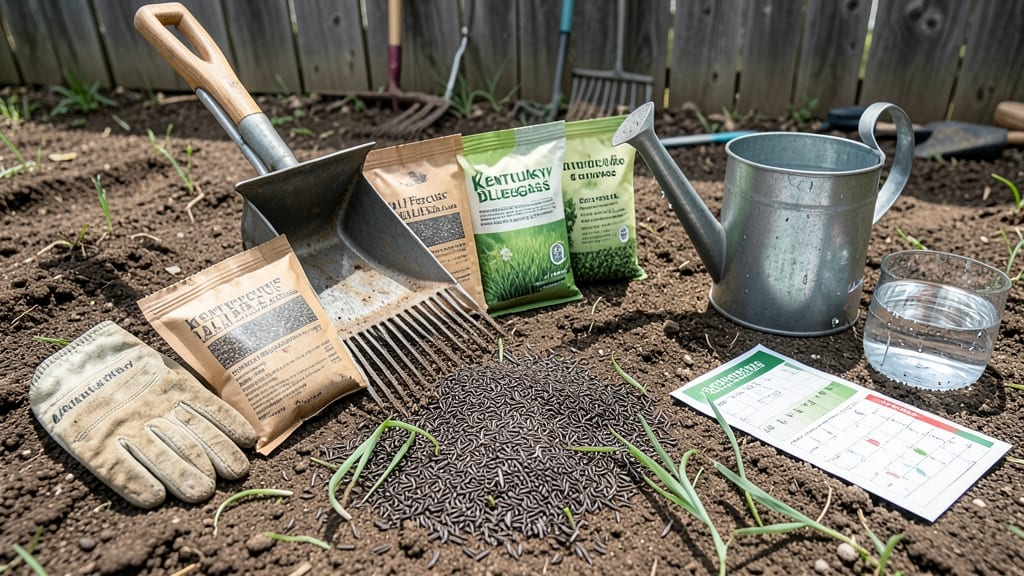
Timing your grass seed planting in Kentucky isn't just about picking a month—it's about beating the heat, avoiding weeds, and giving your lawn the best shot at thriving.
With Kentucky's 6a-7b climate, those humid summers can turn a poorly timed planting into a battleground for weeds instead of a lush green carpet. The difference between a thick lawn and a patchy mess often comes down to planting just a few weeks earlier or later.
Most Kentucky gardeners swear by early spring (March-April) or early fall (August-September) as the sweet spots—but why? Cool soil temperatures and consistent moisture create perfect conditions for seed germination, while avoiding the extreme heat that can bake seeds before they sprout.
If you've ever watched your freshly planted grass struggle under Kentucky's unpredictable weather, you know how critical this timing really is.
I'll walk you through exactly when to plant in your specific part of the state, from Louisville's urban microclimate to Lexington's rolling hills, plus the 3 key steps to prep your soil for maximum success.
Whether you're starting from scratch or overseeding an existing lawn, these insights will help you skip the guesswork and get that dreamy green lawn you've been dreaming of.
Ready to transform your yard? Let's dive into the science behind Kentucky's planting windows and how to make every seed count—no more wasted effort or patchy results.
Best months to plant grass seed in Kentucky by climate zone
Kentucky’s diverse climate—spanning USDA zones 6a-7b—means the best time to plant grass seed depends on whether you’re in Northern Kentucky (cooler) or Southern Kentucky (warmer). For cool-season grasses like tall fescue or Kentucky bluegrass, early spring (March-April) and early fall (August-September) are ideal.
Warm-season grasses like Bermuda or Zoysia thrive when planted in late spring (May-June) once soil temperatures hit 65°F+.
Timing matters because seedlings need consistent moisture and moderate temperatures to germinate. Planting too early risks frost damage, while planting too late can lead to weed competition or poor root establishment before winter. Kentucky’s humid summers also demand quick germination—delayed planting can stress young grass.
Northern Kentucky (e.g., Louisville, Lexington) typically has a shorter growing season, so focus on early spring (March) or late summer (August). Southern Kentucky (e.g., Bowling Green) can extend planting into early May for warm-season grasses due to milder winters.
Here’s a quick reference for optimal planting windows by grass type and region:
| Grass Type | Best Planting Months (Northern KY) | Best Planting Months (Southern KY) | Soil Temp Requirement | Key Tip |
|---|---|---|---|---|
| Cool-Season (Tall Fescue, Bluegrass) | March–April August–September |
March–April August–September |
45°F–65°F | Avoid planting when night temps drop below 50°F. |
| Warm-Season (Bermuda, Zoysia) | Late May–June | April–May | 65°F+ | Wait until soil is warm to prevent rot. |
| Ryegrass (Temporary Cover) | September–October | September–October | 50°F–70°F | Use for winter color; overseed in fall. |
For Northern Kentucky, aim to plant 4–6 weeks before the first frost (typically mid-October) or after the last frost (usually mid-April). In Southern Kentucky, you can push planting into early May for warm-season grasses, but avoid July-August—this period’s intense heat can stress seedlings.
Always check local frost dates (Kentucky State Climate Office is a great resource) and soil temperature with a soil thermometer—cool-season grasses need 45°F+ soil, while warm-season grasses require 65°F+. Planting at the right time ensures faster germination and thicker turf by summer.
If you’re overseeding an existing lawn, late summer (August) is ideal for cool-season grasses because it gives them time to establish before winter. For new lawns, spring planting (March-April) often yields the best results due to longer daylight and warmer soil.
Pro tip: Test your soil pH (ideal range: 6.0–7.0) before planting. Kentucky’s clay-heavy soils often need lime or sulfur to adjust pH—skip this step, and your grass may struggle to absorb nutrients, even with perfect timing.
🌱
Kentucky grass seed planting timeline: step-by-step prep calendar
Kentucky’s variable climate means your grass seed planting timeline must account for soil temperatures, rainfall patterns, and regional frost dates. Whether you’re in Louisville’s urban heat or Lexington’s cooler microclimate, following this month-by-month guide ensures your lawn thrives. Start planning now to avoid common pitfalls like uneven germination or weed competition. For best results, Kentucky gardeners should focus on two key windows: early spring (March-April) and early fall (August-September). These periods offer moderate soil temps (60-75°F), consistent moisture, and fewer weeds. Let’s break down each month’s critical tasks to maximize your grass seed success rate.📅 Kentucky Grass Planting Prep Calendar
- February (Northern KY) / March (Southern KY): Test soil pH (6.0-7.0 ideal) and amend with lime if needed. Rake out debris and loosen topsoil.
- Late March - Early April: Apply starter fertilizer (10-10-10) and aerate compacted soil. Choose cool-season grasses (Tall Fescue, Kentucky Bluegrass) for spring planting.
- Mid-April: Plant grass seed after last frost (typically mid-April in most regions). Water lightly to keep soil moist but not soggy.
- May - June: Reduce watering to 2-3x weekly as grass establishes. Mow when blades reach 3-4 inches (never remove >1/3 of blade height).
- July: Overseed bare patches with warm-season grasses (Bermuda, Zoysia) if needed. Monitor for drought stress—water deeply early morning.
- August: Prepare for fall planting: Test soil again, aerate, and apply fall fertilizer (16-4-8) to boost root growth before dormancy.
- September: Plant cool-season grasses (ideal temps: 60-75°F). Water daily for 2 weeks, then taper to weekly as temps drop.
- October - November: Apply winterizer fertilizer (high potassium) to strengthen roots. Reduce mowing frequency as growth slows.
Pro Tip: Use a soil thermometer to confirm temps—50°F+ for cool-season grasses, 65°F+ for warm-season.
Don’t let weed competition steal your lawn’s potential. Apply a pre-emergent herbicide 2-4 weeks before planting to block crabgrass and other weeds. For organic options, use corn gluten meal—it’s a natural pre-emergent that also feeds soil microbes.
🌱If you’re overseeding an existing lawn, mow the grass shorter than usual (1-1.5 inches) before spreading seed. This creates gaps for new seedlings to establish without shading. Follow up with a light layer of straw mulch to retain moisture and protect seeds from bird foraging.
🪴