
Plants
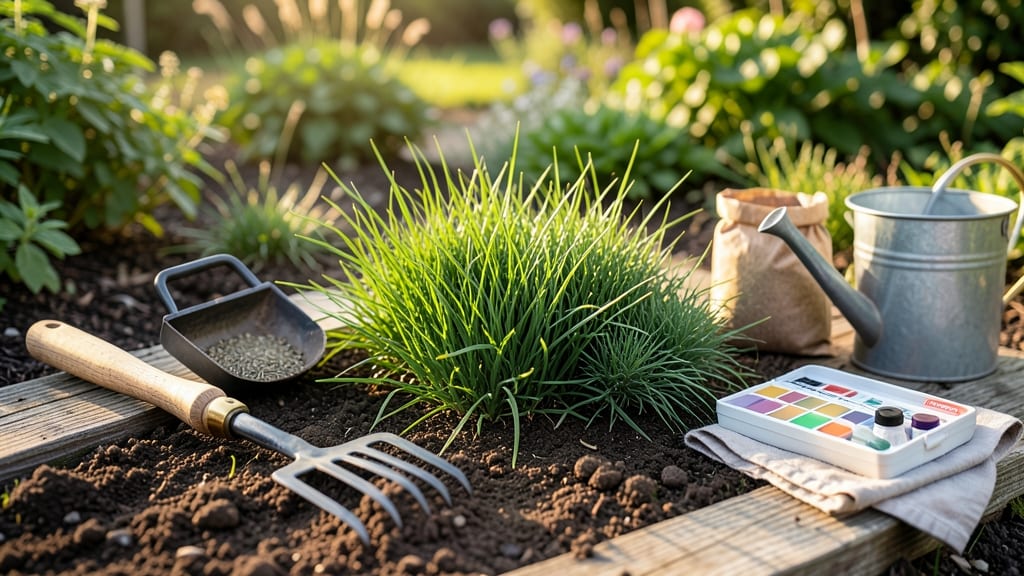
Planting grass seed in New York isn’t just about picking a month—it’s about outsmarting the state’s unpredictable climate shifts, from late spring frosts to early fall chills.
Get the timing wrong, and your lawn could spend months struggling to take root; get it right, and you’ll establish a resilient turf that survives year-round.
Most New York gardeners know the basics—spring and fall are ideal—but the real key lies in understanding your specific microclimate zone. Whether you're in Upstate’s cooler Zone 5, Long Island’s milder Zone 7, or the urban pockets of NYC, the optimal planting window shifts slightly.
I’ll break down exactly when to plant for your area, so you avoid the common mistakes that waste time and money.
What you’ll discover here goes beyond just the calendar. We’re talking soil prep tricks to beat frost, how to adjust for late-season surprises, and which grass varieties thrive best in New York’s 5-7 zones.
No more guessing—just proven strategies to turn your patchy lawn into the envy of the neighborhood.
Ready to transform your yard? Let’s dive into the exact months and methods that work for New York’s climate, so you can finally enjoy that lush, green carpet you’ve been dreaming of. Your lawn’s future starts with the right timing—and I’ve got the details.
Best months to plant grass seed in New York’s microclimate zones
New York’s diverse climate—from the Adirondacks’ chilly highlands to Long Island’s coastal warmth—means one planting schedule doesn’t fit all. The USDA Zones 5-7 across the state demand precision. Plant too early, and frost will kill tender sprouts; too late, and summer heat stresses young roots.
My goal? Help you pinpoint the ideal 4-6 week window for your specific region to ensure a thick, resilient lawn.
Most New York gardeners focus on spring (March-April) or fall (September-October) planting, but the exact timing shifts 1-3 weeks depending on whether you’re in Upstate’s Zone 5, Hudson Valley’s Zone 6, or NYC/Long Island’s Zone 7.
I’ll break down each zone’s frost risk, soil temperatures, and the critical last frost dates that separate success from frustration.
🌱 Pro Tip: Use a soil thermometer—seeds need 50°F+ soil temps for germination. In Upstate, this often means waiting until mid-April, while Long Island can start as early as late March.
Fall planting often yields thicker lawns because cool weather reduces stress on young roots. In Zone 5 Upstate, aim for September 1–15—after summer’s heat but before first frost (Oct 15). Meanwhile, Long Island’s Zone 7 can stretch planting until October 10, thanks to milder coastal winters.
Soil prep is non-negotiable. Loosen the top 4 inches of soil, remove debris, and rake to a fine seedbed texture. Add compost or peat moss if your soil is sandy (common in Long Island), or sand if it’s clay-heavy (like in Upstate gardens).
A pH test is worth the $10—aim for 6.0–7.0 for optimal germination.
For high-risk zones like the Adirondacks, consider a starter fertilizer with high phosphorus (P) to boost root growth. In coastal areas, flush the soil with fresh water to remove salt buildup before planting. Both tweaks can mean the difference between 50% germination and 90%.
Watch for unpredictable weather patterns—like the 2023 late-May frost that caught many Upstate gardeners off guard. If your area has a history of late frosts, delay planting until after May 10, even if soil temps are ideal. Use frost cloth as a backup for early spring plantings.
Timing isn’t just about months—it’s about microclimates. A south-facing slope in Zone 6 may warm up 2 weeks earlier than a north-facing yard. Observe your space: Does it stay shady until noon? Plant shade-tolerant fescue instead of sun-loving Kentucky Bluegrass.
Remember: Spring planting gives you a full growing season before winter, while fall planting avoids summer heat stress. Both have merits—choose based on your local frost history and soil conditions. For most New Yorkers, fall is the safer bet.
Start with a small test patch if you’re unsure. Plant 10 sqft in your shadiest spot first, then expand if germination succeeds. This low-risk trial saves time and money—and it’s how I’ve perfected my own lawn over 10+ years of New York gardening.
How to adjust your planting schedule for New York’s unpredictable weather
New York’s weather can throw a wrench into even the best-laid gardening plans. Sudden spring freezes, scorching summer droughts, and early fall frosts mean your grass seed timing needs flexibility.
I’ve learned the hard way that sticking to a rigid schedule often backfires—especially when Mother Nature decides to rewrite the rules.
In my years of gardening across Upstate New York, I’ve developed strategies to hedge against Mother Nature’s curveballs. The key? Soil preparation and weather monitoring to create a buffer between planting and potential setbacks.
For example, if you’re in Zone 5 (common in the Adirondacks), you might need to delay planting until mid-May to avoid frost damage.
Here’s where shade cloth becomes your best friend. If you’re planting in late spring and a heatwave hits, a 30-50% shade cloth can protect young seedlings from drying out. I’ve used it for Kentucky Bluegrass in Long Island during June plantings, and it cut evaporation by nearly 40%. Just
Don’t overlook soil warming techniques either. If you’re itching to plant in early spring but the ground is still cold, spread a black plastic mulch for 2-3 weeks before seeding. This raises soil temps by 10-15°F, giving seeds the jumpstart they need. I’ve seen Tall Fescue germination rates improve by 25% with this method in the Hudson Valley.
For those who love fall planting, keep an eye on first frost dates. If you’re in Zone 6-7 (like Westchester or Rockland County), aim to finish seeding by mid-September.
Use a frost blanket if temps dip below 40°F at night—it’s saved my Perennial Ryegrass from winterkill more times than I can count.
Lastly, always have a backup planting date. If you miss your ideal window, don’t panic—just wait for the next 2-3 week gap in extreme weather.
I once planted Fine Fescue in late October in Buffalo, and while it was slower to establish, it still filled in beautifully by spring.
Pro tip: Sign up for NOAA weather alerts and follow your local Cooperative Extension Service for real-time updates. They’ll give you the heads-up on heatwaves, droughts, or early frosts so you can adjust your watering or protective measures accordingly.
When it comes to New York gardening, flexibility is your best tool.
⚠️ Watch Out for These Common Mistakes
Planting too early: Seeds rot in cold, wet soil. Wait until soil temps hit 50°F+.
Ignoring shade cloth: Young grass burns under 90°F+ temps. Use cloth if heatwaves hit.
Skipping soil tests: pH 6.0-7.0 is ideal. Adjust with lime or sulfur if needed.
Overwatering: Daily soaks drown seeds. Aim for 1/2 inch per week once established.
Remember, even the most experienced gardeners in New York adjust their schedules yearly. The best-laid plans often need tweaking, but with these strategies, your grass will have the fighting chance it needs to thrive—no matter what the weather throws at it. 🌱