
Plants
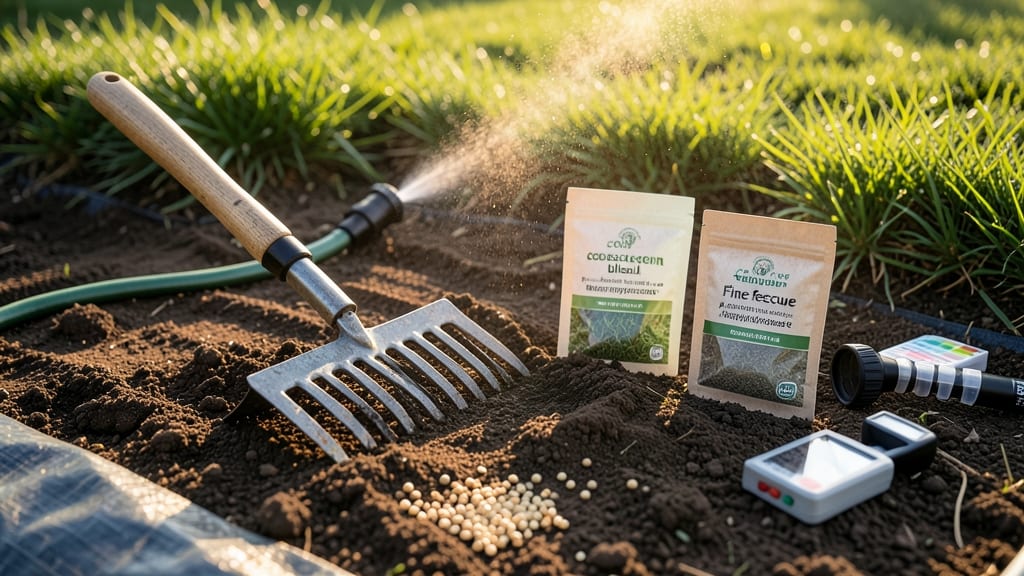
Planting your 🌱 grass seed at the wrong time in the Northeast can turn your dream of a vibrant lawn into a frustrating wait for results.
The secret to success lies in understanding the perfect planting window for your specific hardiness zone—whether you're in Zone 5 or 7, timing matters more than you might think.
Most gardeners know spring and fall are ideal, but did you know planting too early in spring or too late in fall can actually harm your grass?
In the Northeast, where temperatures swing dramatically, getting the timing right ensures your seeds germinate quickly and establish strong roots before winter sets in.
I’ll walk you through the exact months to plant in your zone, how to prep your soil for maximum success, and what to watch for if things go wrong. By the end, you’ll know exactly when to grab that bag of seed and get your lawn growing like a pro.
Ready to transform your bare patches into a lush, green carpet? Let’s dive into the best strategies for Northeast lawns—no guesswork required.
Best planting months for Northeast grass seed by hardiness Zone
Planting grass seed in the Northeast requires precise timing to beat unpredictable weather and ensure strong germination. The USDA Hardiness Zones 3-7 dominate this region, each with its own ideal planting window for cool-season grasses like Kentucky bluegrass and tall fescue.
My rule of thumb? Aim for early spring (March-April) or early fall (September-October) when soil temps hover between 50°F and 70°F. This balance gives seeds the best shot at establishing roots before summer heat or winter frost hits.
For Zone 3-4 gardeners (think Maine, Vermont, upstate NY), spring planting is critical—soil warms slower, and frost lingers longer. In contrast, Zone 5-7 areas (PA, NJ, MD) can often plant in early fall, giving seeds time to root before winter.
But don’t guess! Use your last frost date as a guide—plant 4-6 weeks before frost in fall or after frost in spring. For example, if your last frost is April 15, aim for March 1-15 planting.
Warm-season grasses like Bermuda or Zoysia (rare in the Northeast but possible in Zone 7) need soil temps above 65°F, so wait until late spring or early summer.
Most Northeast lawns, though, rely on cool-season varieties that thrive in 50°F-65°F soil. Pro tip: Check soil temp with a soil thermometer—it’s your secret weapon for perfect timing!
| Zone | Best Planting Window | Soil Temp (°F) | Grass Type | Key Consideration |
|---|---|---|---|---|
| Zone 3-4 | Early Spring (March-April) | 50°F-60°F | Kentucky Bluegrass | Short growing season; avoid late fall planting |
| Zone 5 | Early Fall (Sept) or Spring (April) | 55°F-65°F | Tall Fescue | Balanced window; watch for early frosts |
| Zone 6 | Late Aug-Sept or April-May | 50°F-70°F | Fine Fescue | Longer fall window; drought-resistant |
| Zone 7 | Sept-Oct or March-April | 55°F-68°F | Perennial Ryegrass | Fast germination; ideal for quick cover |
| All Zones | Avoid June-August | N/A | Cool-Season Grasses | Heat stress kills seedlings; wait for cooler temps |
Microclimates in the Northeast add another layer of complexity. Coastal areas (like New England) stay cooler longer, while inland spots (like Pennsylvania) warm up faster. If you’re unsure, err on the side of early spring planting—it gives seeds time to establish before summer’s heat.
But watch for late spring frosts, which can damage young seedlings. A lightweight frost blanket can save the day if frost threatens.
Fall planting has its perks, too. Cooler temps mean less water stress, and seeds focus on root growth instead of leaf production. Just plant 6-8 weeks before frost—this gives roots time to anchor before winter.
For Zone 6-7, aim for September; in Zone 3-4, stick to August to avoid early frosts. And remember: Water deeply after planting to encourage germination.
One common mistake? Planting too early in spring when soil is still cold or too late in fall when frosts creep in. I’ve seen bare patches where seeds were planted in May—summer heat baked them before they could sprout.
Similarly, October plantings in Zone 4 often fail if frost hits before roots establish. Use a soil thermometer ($10 at garden centers) to confirm temps are in the 50°F-70°F sweet spot.
For warm-season grasses (like Bermuda in Zone 7), wait until late May or June when soil temps hit 65°F+. These grasses thrive in heat but struggle in cooler Northeast springs.
If you’re unsure about your grass type, check the seed packet—it’ll specify cool-season or warm-season needs. Most Northeast lawns use cool-season varieties, so stick to spring/fall timing.
Pro tip: If your last frost date is April 15 (common in Zone
Best planting months for Northeast grass seed by hardiness Zone
Planting grass seed in the Northeast requires precision—timing depends on your USDA hardiness zone (typically 3-7) and the type of grass. Cool-season grasses like Kentucky bluegrass and tall fescue thrive when planted in early spring (March-April) or early fall (September-October), while warm-season grasses like Bermuda prefer late spring.
The key is soil temperature: aim for 50-65°F (10-18°C) for best germination.
In Zone 3-4, where winters are harsh, focus on late summer to early fall planting (August-September) to avoid frost damage. Zones 5-7 can plant in March-April or September-October, but avoid late fall—seeds need time to establish before winter.
Pro tip: Check your last frost date (Zone 5 ~April 15, Zone 7 ~March 20) and plant 4-6 weeks before to give seedlings a head start.
| Zone | Best Planting Window | Soil Temp (°F) | Grass Type | Key Tip |
|---|---|---|---|---|
| 3-4 | Late August–September | 50–60°F | Cool-season | Avoid frost—use frost cloth if needed. |
| 5 | March–April or September | 55–65°F | Cool-season | Spring planting needs consistent moisture. |
| 6-7 | March–May or September–October | 60–70°F | Cool/warm-season | Fall planting allows roots to harden before winter. |
For warm-season grasses like Zoysia or Bermuda, plant in late spring (May-June) once soil temps reach 65°F+ (18°C+). These grasses struggle in cool weather and need warmth to germinate.
If you’re in Zone 7 and planting Bermuda, wait until after Memorial Day to avoid frost risk. Always test your soil’s moisture level—dry soil can delay germination by weeks.
One common mistake is planting too early in spring when soil is still cold or too late in fall when frost looms. For example, seeding in November risks seedlings freezing before establishing roots.
Use a soil thermometer to confirm temps are ideal—50°F (10°C) is the minimum for cool-season grasses. If temps drop below 40°F (4°C), cover seeds with straw mulch for protection.
Microclimates matter! Coastal areas (like New England) may have warmer springs than inland zones, while upstate New York can have later frosts. Adjust your timing by 1-2 weeks based on local conditions.
For example, Long Island might plant 1 week earlier than Pittsburgh. Check your local almanac or USDA frost maps for precise dates.
If you miss the ideal window, don’t panic. You can still plant in late spring (May) or early fall (August), but expect slower growth. Just increase watering and use a starter fertilizer to compensate.
The goal is consistent moisture and protection from weeds—your grass will thank you with a thicker, greener lawn next season.