
Plants
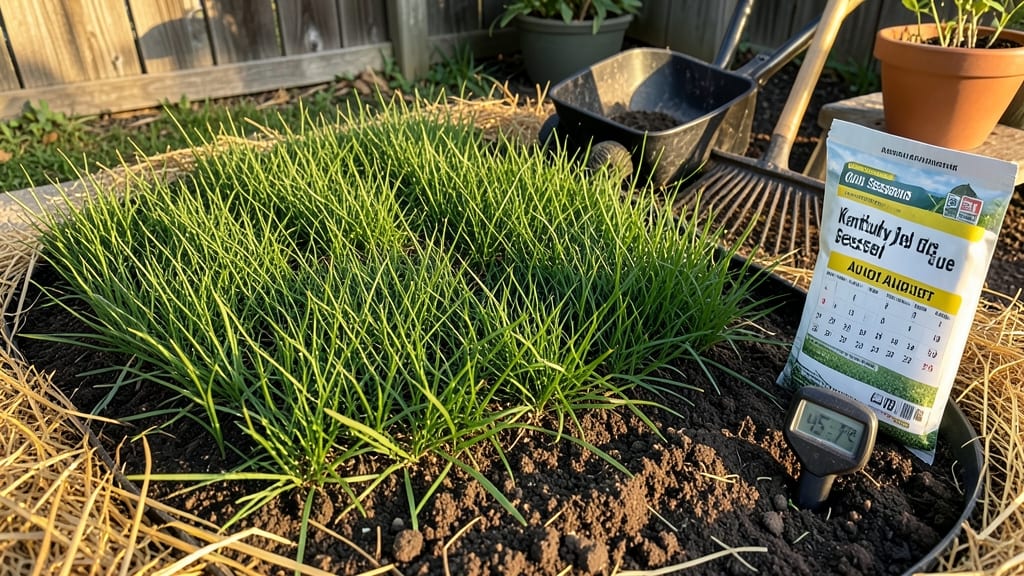
Timing your grass seed planting in Minnesota isn’t just about luck—it’s about understanding the delicate balance between soil temperatures and frost-free deadlines. ❄️ One wrong move, and you could end up with patchy growth or wasted seeds, especially in zones 3-5 where winters linger longer.
If you’ve ever stared at a seed packet wondering, "Is now the right time?", you’re not alone. The key to a vibrant lawn lies in planting when the ground is warm enough—typically between 50°F and 65°F—but before the first hard frost sneaks in again.
For Minnesota, that window opens as early as March in southern regions and stretches into early fall for northern areas.
I’ll break down exactly when to plant based on your specific zone, how to test soil warmth (without fancy tools), and why early spring or late summer planting gives your grass the best shot at thriving. Let’s turn those brown patches into lush, green perfection—without the guesswork.
Whether you’re tackling a new lawn or reviving an old one, getting the timing right is the most important step. Skip the trial-and-error and discover the exact deadlines that work for your corner of the North Star State.
Minnesota grass planting deadlines by hardiness zone (soil temp & frost risk)
Minnesota’s USDA hardiness zones 4a-5b create distinct planting windows for grass seed, where timing can mean the difference between a thick, lush lawn and a patchy, struggling one.
Cool-season grasses like Kentucky bluegrass and tall fescue thrive when planted during optimal soil temperatures of 50-65°F, but frost risks force precise scheduling.
In northern Minnesota (zones 4a-4b), your planting window is shorter and later than southern regions (zones 5a-5b). For example, Duluth’s last frost typically arrives by May 15, while Rochester’s is often past by May 1.
These differences matter because planting too early risks frost damage, while waiting too long can lead to summer heat stress before roots establish.
To simplify, I’ve broken down the key planting deadlines by zone, including soil temperature thresholds and last-call dates for fall planting. These timelines help you avoid the two biggest mistakes: planting when the ground is still too cold or waiting until summer’s heat stalls germination.
| Zone & Location | Last Frost Date | Ideal Soil Temp | Spring Planting Window | Fall Planting Window |
|---|---|---|---|---|
| 4a (Duluth, International Falls) | May 15 | 50-55°F | April 15 - May 15 | August 20 - September 15 |
| 4b (Brainerd, St. Cloud) | May 1 | 50-60°F | April 1 - May 10 | August 15 - September 10 |
| 5a (Minneapolis, Rochester) | April 25 | 55-65°F | March 20 - April 30 | August 1 - September 5 |
| 5b (Winona, Albert Lea) | April 15 | 55-65°F | March 15 - April 20 | July 25 - August 25 |
Notice how the fall planting window shrinks as you move north? In zone 5b, you can still plant into late August, but by zone 4a, the window closes by mid-September to avoid early winter dormancy.
This is critical because grass planted too late in fall may not develop strong root systems before freezing temperatures hit.
For overseeding existing lawns, aim for early fall (late August to mid-September) when soil is still warm but daytime temperatures drop. This gives new seeds time to germinate before winter sets in, while reducing weed competition that flares up in summer.
Think of it as a second chance to thicken your lawn without battling summer heat.
If you’re in a transition zone (like the Twin Cities), pay attention to microclimates. South-facing slopes warm up faster in spring, while low-lying areas may stay cooler.
Test your soil temperature with a soil thermometer (or even a DIY method like pressing your hand into the soil—if it’s too cold for your bare hand, it’s too cold for seeds).
One common mistake is planting too early in spring when soil temperatures hover around 40°F. Seeds may sprout, but they’ll wither quickly if a late frost hits. Instead, wait until soil reaches 50°F for 3-4 consecutive days—this ensures consistent germination.
For fall planting, stop by 6 weeks before your first frost date to allow roots to establish before winter.
Pro tip: Use a straw mulch after planting to insulate seeds from temperature swings. This is especially helpful in northern Minnesota, where nighttime temperatures can drop 20°F faster than in southern regions. A thin layer of straw also retains moisture and shields seeds from drying winds.
Remember, soil temperature is more critical than air temperature. Even if the air feels warm, if the soil is still
How to check soil temperature & prepare for planting in Minnesota
Before you rush to spread grass seed, soil temperature is your secret weapon for success in Minnesota’s unpredictable climate. Cool-season grasses like Kentucky bluegrass and fescue thrive when soil temps hit 50-65°F, but cold, damp soil can delay germination or even kill your seeds.
Testing your soil’s warmth ensures your seeds sprout when conditions are ideal—not when a late frost sneaks in.
You don’t need fancy tools to check soil temperature. A simple soil thermometer (available for under $10) gives instant readings. Stick it 2 inches deep—the depth where most grass seeds will germinate—and wait 30 seconds for an accurate reading.
For a DIY method, press your hand into the soil: if it feels cool but not freezing, it’s likely in the right range for planting.
🌱 Step-by-Step Soil Prep for Minnesota Grass Planting
- Test Soil Temp: Use a thermometer or hand test to confirm 50-65°F at 2" depth.
- Loosen the Soil: Aerate compacted areas with a core aerator or fork to improve seed-to-soil contact.
- Level the Ground: Rake out bumps and fill low spots to create an even seed bed.
- Add Compost: Mix in 1-2 inches of compost for nutrients and better water retention.
- Remove Debris: Clear rocks, weeds, and thatch to prevent competition with new grass.
- Lightly Water: Moisten soil 1-2 days before planting to encourage immediate germination.
If your soil is still too cold (below 50°F), don’t panic—just wait and prepare. Cover the area with a lightweight tarp or straw mulch to warm the soil faster.
In early spring, this can shave off critical days before your planting window opens. For late summer plantings, aim for soil temps between 55-65°F to avoid heat stress on seeds.
Once your soil is ready, plant in the early morning or late afternoon to reduce water loss from evaporation. Spread seeds evenly (follow package rates—typically 4-8 lbs per 1,000 sq ft for cool-season grasses) and lightly rake them into the soil.
A thin layer of straw mulch (¼ inch) helps retain moisture and protects seeds from birds or wind.
After planting, keep the soil consistently moist (not soggy) for the first 2-3 weeks. Use a sprinkler with fine mist to avoid displacing seeds. Minnesota’s variable rainfall means you may need to water daily during dry spells—check the top inch of soil daily. If it’s dry, water lightly.
Pro tip: Mark your calendar for 4-6 weeks post-planting—this is when your new grass will need its first fertilizer application (use a starter fertilizer with phosphorus to encourage root growth).
By then, your lawn should be thick enough to handle foot traffic, but still tender enough to benefit from your careful prep work.