
Plants
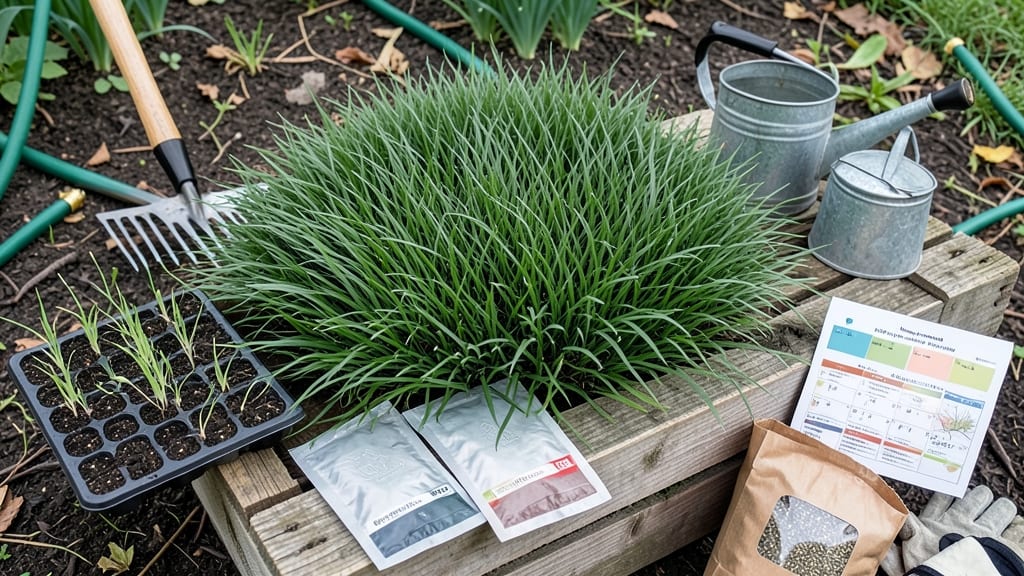
Timing your grass seed planting in Vancouver could mean the difference between a vibrant lawn and months of patchy frustration—especially when unpredictable coastal weather throws a curveball.
The right window isn’t just about the calendar; it’s about soil temperatures, frost dates, and whether you’re planting cool-season grasses that thrive in Vancouver’s mild climate.
Most gardeners here know the basics—spring and fall are the prime seasons—but without local data, you might end up planting too early (risking frost heave) or too late (missing the sweet spot before winter sets in).
I’ll break down the exact week-by-week deadlines for Vancouver’s Zone 8a, including how coastal areas like North Vancouver differ from inland spots like Surrey.
You’ll also discover how to prep your soil for maximum seed contact, which grass types handle Vancouver’s damp winters best, and when to water without drowning your new lawn. Let’s get your 🌱 grass seed off to the right start—no guesswork, just proven results.
Whether you’re seeding a new yard or overseeding an existing one, these insights will help you avoid common pitfalls and enjoy a lush, resilient lawn year after year. Ready to plant with confidence?
Vancouver’s ideal grass seed planting windows by soil temperature (2024 guide)
Vancouver’s cool maritime climate creates unique challenges for grass seed planting. Unlike inland areas, coastal zones stay cooler longer in spring and warmer later in fall.
The key is planting when soil temperatures consistently reach 50°F (10°C) for cool-season grasses like Kentucky bluegrass and fine fescue, which dominate Vancouver lawns.
Most gardeners in Vancouver target two planting windows: early spring (March–April) and fall (September–October). Fall planting is often preferred because cooler temperatures reduce weed competition, and fall rains help establish roots before winter dormancy.
However, timing depends on your specific microclimate—North Shore areas may experience frost weeks earlier than Delta or Richmond.
Soil temperature is your best guide, not air temperature. Use a soil thermometer to confirm consistency at 2–4 inches deep. For warm-season grasses (like Bermuda grass, rare in Vancouver), aim for 60°F (15°C) soil temps, which typically occur in late May–June in inland areas.
Here’s how Vancouver’s microclimates affect planting windows:
| Microclimate | Spring Planting Window | Fall Planting Window | Key Consideration |
|---|---|---|---|
| Coastal (West Side) | Late March–mid-April | Mid-September–early November | Warmer winters; later frost risk |
| North Shore (North Vancouver) | Early April–early May | Early September–mid-October | Cooler, frost-prone; plant earlier |
| Interior (Surrey, Langley) | Mid-March–late April | Late August–late October | Hotter summers; longer growing season |
| Urban Heat Islands (Downtown) | Early March–mid-April | Mid-September–early November | Warmer microclimate; extend windows |
For spring planting, wait until the average nighttime temperature stays above 40°F (4°C) to avoid frost heave, where seedlings push out of the soil and die. Check the Canada Weather Office’s Vancouver frost forecast for real-time updates.
In 2023, the last spring frost in Vancouver occurred on April 22, but this can vary by ±10 days.
Fall planting offers a 6–8 week window before the first frost. Aim to finish by mid-October for coastal areas and early October for inland zones. Seedlings need 4–6 weeks to establish roots before winter dormancy. Use a seed germination calculator to estimate your local timeline based on your grass type.
If you’re planting in elevated areas (like North Vancouver’s Lynn Valley), expect frost 1–2 weeks earlier than sea level. Conversely, Delta or Richmond may stay frost-free until late October. Always monitor soil moisture—Vancouver’s clay-heavy soils can become waterlogged in fall, suffocating new seedlings.
Pro tip: Test your soil’s pH level before planting. Vancouver’s native soils often test acidic (pH 5.5–6.5), which can stunt grass growth. Aim for a neutral pH (6.5–7.0) by amending with lime if needed. This small step can double your germination rate.
Finally, choose the right grass seed blend for your microclimate. Fine fescue mixes thrive in shady, coastal areas, while tall fescue handles drought-prone inland zones. Always select Vancouver-tested seed with high disease resistance to red thread and dollar spot, common in our damp climate.
How to calculate your exact frost-free deadline in Vancouver (with local data)
Vancouver’s frost-free window is critical for timing grass seed planting—getting it wrong means frost heave or stunted growth. The city’s last spring frost typically arrives between April 15–May 1, while the first fall frost hits around October 15–20. However, your exact deadline depends on your neighborhood’s microclimate.
For example, North Shore areas like West Vancouver often see frost 1–2 weeks later than downtown, while Delta or Surrey can experience earlier frosts due to cooler air pooling. Use these local benchmarks to refine your planting schedule and avoid common timing mistakes.
🌱
Vancouver Frost-Free Deadline Calculator
- 1. Check your microclimate: Coastal (milder) or inland (cooler)?
- 2. Adjust spring planting: Add 1–2 weeks if you’re in North Shore; subtract 1 week for Delta.
- 3. Fall planting deadline: Start by September 15 for coastal areas; aim for early September inland.
- 4. Verify soil temp: Use a soil thermometer—wait until it’s 50°F+ for cool-season grasses.
🌡️ Pro Tip: Coastal Vancouver’s soil warms 2–3 weeks later than inland areas like Surrey.
To calculate your precise frost-free window, start by checking Environment Canada’s historical frost data for your specific postal code. For instance, if you’re in Kitsilano, you might safely plant grass seed by late March, while Maple Ridge residents should wait until early April.
For fall planting, aim to finish 6–8 weeks before your area’s first frost. In Vancouver, this means mid-October at the latest for most neighborhoods. Use a frost calendar from your local nursery to double-check—some years, like 2023, saw early October frosts in the Lower Mainland.
If you’re unsure, err on the side of planting later. Cool-season grasses like Kentucky bluegrass or fine fescue can handle light frosts once established, but young seedlings won’t survive overnight temps below 32°F. Always monitor the 7-day forecast before committing to a planting date.
📋