
Plants
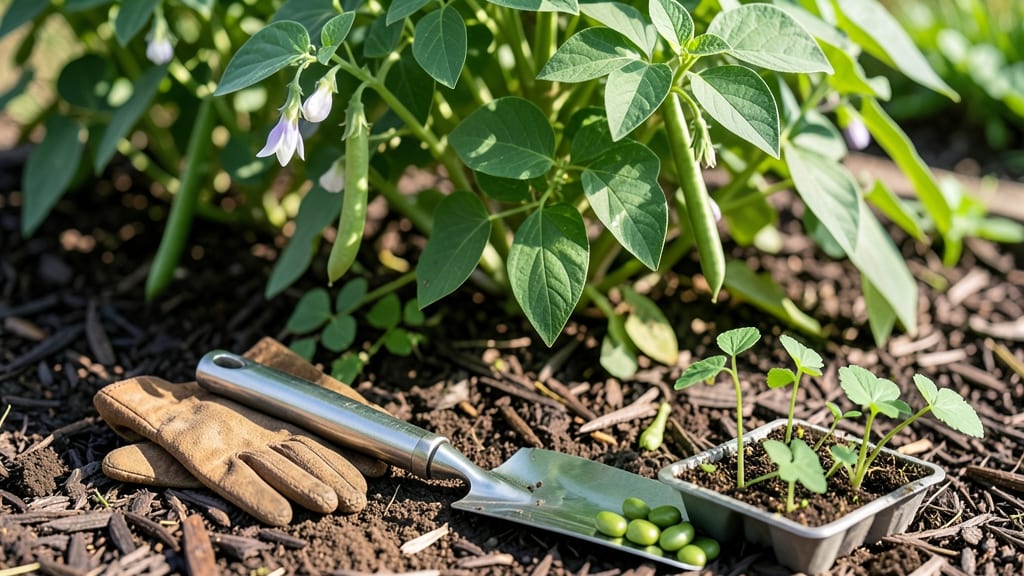
Timing your green bean planting in Colorado can mean the difference between a bumper crop and a wasted seed packet—especially when frost dates shift between the Front Range and Western Slope. Whether you're a first-time gardener or a seasoned grower, knowing the exact frost-free window for Zones 5-8 is the key to success.
Most Colorado gardeners wait until after the last frost—typically April 15 to June 15—to plant their 🌱 green beans, but altitude and microclimates can change everything. A late-spring freeze in the mountains might delay planting by weeks, while lower elevations near Denver could be ready earlier.
The goal? Plant when soil temps hit 55°F consistently, ensuring strong germination and growth.
But here’s the secret: Colorado’s short growing season means you can also try a fall planting (August 1–September 15) for a second harvest before frost. With the right varieties and a little planning, you’ll extend your harvest well into October—just in time for those cozy autumn meals.
In this guide, I’ll break down the exact planting windows for your zone, plus pro tips to beat Colorado’s unpredictable weather. Let’s get those beans in the ground at the perfect time!
Colorado green bean planting dates by hardiness Zone (4-7)
Colorado’s diverse climate means your green bean planting window varies dramatically from the Front Range to the Western Slope. In Zone 4 (high-elevation areas like Steamboat Springs), last frosts linger until May 15, while Zone 7 (Denver metro) typically warms up by April 15.
Understanding these frost-free dates is critical—green beans won’t tolerate frost at any stage.
For most Colorado gardeners, the primary planting window runs from April 15 to June 15, but fall planting (August 1–September 15) extends harvests into October.
Soil temperature must reach at least 60°F for seeds to germinate reliably. Use a soil thermometer to confirm readiness—cold soil delays germination by weeks.
Here’s how to align your planting with Colorado’s microclimates. The Western Slope (Zones 6-7) enjoys earlier springs, while high-altitude valleys (Zones 4-5) face later frost risks. Even within Denver, urban heat islands can push last frosts 1-2 weeks earlier than rural areas.
🌱
| Zone | Last Frost Date | Primary Planting Window | Fall Planting Window | Soil Temp Requirement | Notes |
|---|---|---|---|---|---|
| 4 (e.g., Steamboat) | May 15 | May 20–June 15 | August 15–September 1 | 60°F+ | Use row covers for early starts |
| 5 (e.g., Fort Collins) | April 30 | April 25–June 10 | August 10–September 10 | 60°F+ | Cold-hardy varieties recommended |
| 6 (e.g., Denver) | April 15 | April 15–May 31 | August 1–September 15 | 55°F+ | Urban heat islands may allow earlier planting |
| 7 (e.g., Colorado Springs) | March 20 | March 20–May 15 | July 20–September 1 | 50°F+ | Extended growing season possible |
If you’re in Zone 4 or 5, consider starter plants instead of seeds—they germinate faster in cool soils. For Zone 6-7, you can push the envelope with early March sowings under row covers or in a greenhouse.
Just remember: green beans hate cold feet, so always wait for consistent daytime temps above 60°F.
For fall plantings, aim to harvest before first frost. In Zone 4, that’s typically October 15, while Zone 7 gardeners might eke out harvests until November 1. Use quick-maturing varieties (like Blue Lake) for fall success.
Pro tip: Check Colorado State University’s Frost Free Date Map for your exact location—microclimates can shift planting windows by 10+ days. For example, Grand Junction (Zone 7) often sees 30 days earlier last frosts than Leadville (Zone 4).
🌿
Soil preparation is just as critical as timing. Green beans thrive in well-draining, slightly acidic soil (pH 6.0–7.0). Work in 2–3 inches of compost before planting, and avoid fresh manure—it can cause bacterial diseases. If your soil feels clay-heavy, amend with
How to extend your green bean growing season in Colorado
Colorado’s short growing season doesn’t have to limit your green bean harvest. With the right strategies, you can push your planting windows earlier or later to enjoy fresh beans for months.
The key is understanding how to protect tender plants from late spring frosts and early fall chills while maximizing soil warmth.
For early harvests, focus on soil warming and cold-hardy varieties. Black plastic mulch or row covers can raise soil temperatures by 5-10°F, allowing you to plant 2-3 weeks earlier than usual. Pair this with varieties like 'Blue Lake' or 'Kentucky Wonder,' which tolerate cooler soils better than others.
To extend harvests into fall, use row covers or cold frames. These create microclimates that protect plants until the first hard frost. In Colorado’s Zone 5-7, this can push your harvest window 3-4 weeks later than typical, often into early October.
⚠️ Visual Element: Numbered Highlights ⚠️
- Use black plastic mulch 2-3 weeks before planting to warm soil 5-10°F faster.
- Plant cold-tolerant varieties like 'Tendergreen' or 'Provider' 2 weeks earlier than standard types.
- Install row covers at night to protect seedlings from late frosts (remove during day).
- Try succession planting every 2 weeks from May to July for staggered harvests.
- Use cold frames or low tunnels to extend fall harvests until first hard frost.
Another game-changer is succession planting. Instead of one massive planting, sow seeds every 2 weeks from late April through early July. This ensures a steady supply of fresh beans and maximizes your garden’s productivity. Just be sure to space plantings 3-4 inches apart to avoid overcrowding.
For high-altitude gardens (above 6,000 feet), focus on pole beans like 'Rattlesnake' or 'Blue Lake Bush.' These varieties mature faster and produce more in Colorado’s shorter growing season. Pair them with straw mulch to retain moisture and regulate soil temperatures.
Finally, don’t overlook container gardening for late-season harvests. Move pots to a sunny spot during the day and bring them indoors or under row covers at night. This works especially well for bush beans, which thrive in containers and can be harvested until mid-October in most Colorado zones.