
Plants
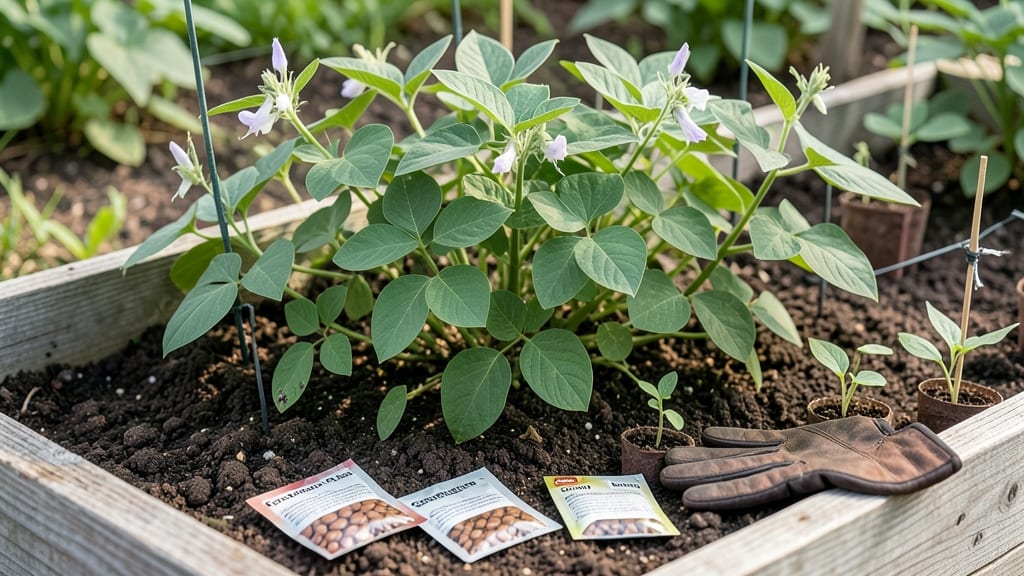
Timing your green bean planting in South Carolina can mean the difference between a thriving harvest and a lost crop. With Zone 7B/8A frost dates that shift from mid-March to November, knowing the perfect window ensures your 🌱 plants flourish—not just survive.
I’ve grown green beans here for years, and the key isn’t just avoiding frost—it’s matching your planting to soil warmth, humidity, and even afternoon shade. Skip the guesswork, and you’ll enjoy crisp, homegrown beans from May through October without the stress.
In this guide, I’ll break down the exact frost-free windows for spring and fall plantings, plus how to stretch your harvest with succession planting. Whether you’re a first-time gardener or a seasoned pro, these tips will help you maximize your yield every season.
Ready to turn your garden into a green bean goldmine? Let’s get started with the dates and tricks that work best for South Carolina’s climate.
South Carolina green bean planting calendar: exact dates for zones 7B/8A
South Carolina's mild winters and hot summers create two prime windows for planting green beans: early spring and late summer. For Zone 7B/8A, aim to plant when soil temperatures consistently reach 60°F—this ensures strong germination and growth. Missing this window means risking frost damage or heat stress.
Your last frost date typically falls around mid-March, but don't rush—wait until 2-3 weeks after to avoid cold snaps. Green beans are warm-season crops, so planting too early can stunt their development. The key is balancing frost risk with soil warmth for optimal results.
Here’s your planting timeline for South Carolina’s two main seasons:
| Season | Planting Window | Soil Temp Requirement | Harvest Window | Notes |
|---|---|---|---|---|
| Spring | Mid-March to early May | 60°F+ (consistent) | May to July | Best for bush varieties; avoid late May heat. |
| Late Summer | Late July to early August | 60°F+ (soil cools in Sept) | September to October | Ideal for pole beans; use shade cloth if needed. |
| Fall (Limited) | Late August (high risk) | 60°F+ (rare by Sept) | September (small harvest) | Only attempt in cooler microclimates; frost likely by Oct. |
For bush beans, focus on the spring window—they mature quickly (50-60 days) and thrive in cooler temperatures. Pole beans, however, excel in the late summer heat and can produce longer if given support. Both varieties benefit from succession planting every 2 weeks for continuous harvests.
South Carolina’s humidity and heat demand extra care during summer planting. Use row covers or shade cloth (30-50%) to protect seedlings from intense afternoon sun. Mulch with straw to retain moisture and prevent soil-borne diseases like bacterial blight, common in SC’s climate.
Pro tip: Test your soil temperature with a thermometer before planting—green beans won’t germinate well below 60°F. If your soil is still cold, opt for fast-maturing varieties like 'Blue Lake' or 'Contender' to beat the heat.
Missed the spring window? Don’t despair—late July is your second chance. Plant heat-tolerant varieties like 'Masai' or 'Rattlesnake' and stake them immediately to handle summer storms. Just be ready to harvest aggressively before the first frost hits in mid-November.
Remember: Green beans are not frost-hardy, so always check your local USDA frost date maps (SC State Climate Office) for precise timing. Planting at the right time means the difference between a bountiful harvest and a failed crop.
🌱
How to extend your green bean harvest: succession planting tips for SC gardens
Green beans thrive in South Carolina’s long growing season, but a single planting won’t keep you in fresh pods all summer. The key to a continuous harvest lies in succession planting—staggering plantings every 2-3 weeks to ensure beans mature at different times.
This method works especially well for bush beans, which produce all at once, but pole varieties can also benefit from spaced-out sowings.
For maximum success, focus on late-spring and early-summer plantings when soil temperatures stay above 60°F. Avoid planting too close to summer’s peak heat (July-August), as beans may bolt or struggle to set pods.
Instead, aim for May and early June for your second planting, followed by a final round in late June to catch the cooler fall air.
🌱
- 🌱 Start early: Plant your first batch 2-3 weeks after the last frost date (mid-March to early April). Use heat-tolerant varieties like 'Blue Lake' or 'Contender' for summer plantings.
- 🌡️ Monitor soil temps: Green beans need soil at 60°F+ to germinate. Use a soil thermometer to avoid cold-soil delays in spring or fall.
- 🌿 Stagger plantings: Sow seeds every 2-3 weeks until mid-July. This ensures a steady supply of fresh beans from May through October.
- ☀️ Provide shade in summer: Use row covers or shade cloth (30-50%) for July plantings to protect beans from intense midday sun and heat stress.
- 💧 Water deeply: Keep soil consistently moist (1-2 inches per week) during dry spells. Drought stress reduces pod production and quality.
One common mistake gardeners make is planting too late in the season. If you wait until August, your beans may not mature before the first frost (mid-November in SC). Instead, opt for fast-maturing varieties (50-55 days to harvest) like 'Blue Lake Bush' or 'Rattlesnake' for late-summer plantings.
These varieties can still produce a small harvest before cooler weather sets in.
For pole beans, succession planting works differently. Since they produce continuously, focus on one or two main plantings in spring and early summer. However, you can still extend the harvest by replacing old or struggling plants with new seeds every 4-6 weeks.
This keeps your trellis productive and maximizes space in your garden.
🌿
Don’t forget to rotate planting locations each year to prevent soil-borne diseases like bean mosaic virus or root rot. Green beans are heavy feeders, so enrich the soil with compost or a balanced fertilizer (5-10-10) before each new planting.
Pair them with companion plants like marigolds (to repel pests) or cucumbers (to improve flavor) for even better results.