
Plants
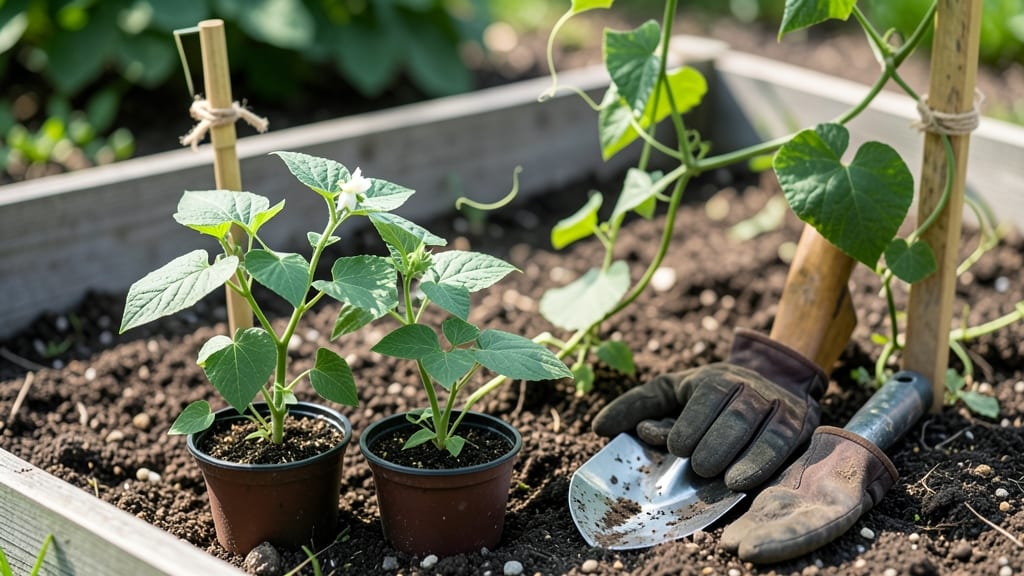
Optimal green bean planting times in Connecticut based on soil temperature
Green beans thrive when planted at the right time—too early and frost zaps tender seedlings; too late and you miss peak harvests. In Connecticut’s USDA Zone 6a/6b, timing hinges on soil temperature (aim for 50°F+) and last frost dates, which vary by region.
Coastal areas like New London typically warm earlier than inland Hartford, so adjust accordingly.
For reliable success, focus on three planting windows: early spring (after last frost), mid-season (for succession), and late summer (for fall harvests). The last spring frost in CT usually lands between April 15-30, but always confirm with your local Cooperative Extension Service for precision.
Here’s how to align planting with CT’s climate—plus a soil temperature cheat sheet to avoid common mistakes like overcrowding or underprepared soil.
| Planting Window | Soil Temp Requirement | Frost Risk | CT Region Fit | Notes |
|---|---|---|---|---|
| Early Spring (April 15–May 1) | 50–55°F | High (coastal: low) | Coastal CT (e.g., Groton) | Use row covers for frost protection. |
| Mid-Spring (May 1–15) | 60°F+ | Low | All CT regions | Ideal for bush beans; best germination. |
| Late Summer (July 15–August 15) | 60°F+ | None (fall frost risk) | Inland CT (e.g., Litchfield) | Succession plant for fall harvest. |
🌱 Pro Tip: Pole beans tolerate cooler soil better than bush varieties.
Inland CT gardens (like those in Farmington) often experience 2–3 weeks later soil warming than coastal areas. To account for this, test soil temperature daily using a soil thermometer—bury it 2 inches deep in your garden bed.
Green beans won’t germinate well below 50°F, so patience pays off.
For a second harvest, try a late summer planting (mid-July) of heat-tolerant varieties like ‘Blue Lake’. These beans mature faster in CT’s shorter growing season, giving you pods until early October before the first frost hits. Just be sure to space seeds 4–6 inches apart to avoid shading.
One common mistake? Planting green beans too close to spring and risking frost damage. Instead, wait until the soil stays consistently above 60°F for 5–7 days.
This ensures strong, vigorous growth from the start. Use black plastic mulch to warm soil faster if needed—it can add 2–4°F to soil temperature.
If you’re in western CT (USDA Zone 6b), you might push planting to mid-May safely. But eastern CT (Zone 6a) gardeners should aim for late April to early May. Always check Almanac frost predictions for your specific town—even a 28°F night can devastate young plants.
For pole beans, which take longer to mature, start seeds indoors 2–3 weeks before your target outdoor date. This gives them a head start in CT’s cool springs. Bush beans, on the other hand, germinate quickly and can be sown directly once soil is ready—no fuss needed.
Remember: Green beans hate soggy soil. Amend beds with compost to improve drainage, and avoid planting where tomatoes or other legumes grew last year to prevent disease buildup. With these timing tricks, you’ll enjoy a bountiful harvest from July through September.
How to test soil temperature and prepare beds for green bean success
Testing your soil temperature is the secret weapon against Connecticut’s unpredictable spring frosts. Green beans thrive when soil reaches a steady 60°F—any cooler, and germination slows to a crawl.
I use a simple soil thermometer (just $10 at garden centers) to check temps in the morning and evening for 3 days running. Coastal areas like New London warm faster than inland spots like Hartford, so adjust your timeline accordingly.
Once you confirm 60°F soil temps, it’s time to prep your beds. Green beans need well-draining soil with a pH between 6.0 and 7.0. I mix in 2-3 inches of compost and a balanced fertilizer (10-10-10) to give them a nutrient boost.
Avoid fresh manure—it can burn tender seedlings and attract pests like bean beetles.
⚠️ Warning: Cold Soil = Failed Germination
Planting too early in chilly CT soil (below 50°F) causes seeds to rot or sprout unevenly. Wait for consistent 60°F+ temps for 5+ days before sowing. Coastal CT gardeners can plant 2-3 weeks earlier than inland areas.
For spacing, I plant bush beans 4-6 inches apart in rows 18-24 inches apart, while pole beans get 6 inches apart along a trellis. Use a stake or wire trellis to save space and improve air circulation, which reduces fungal diseases like rust.
I also add a thin layer of mulch (straw or shredded leaves) to retain moisture and suppress weeds.
If your soil feels compacted or clay-heavy, mix in sand or perlite to improve drainage. Green beans hate soggy roots! I test drainage by digging a 6-inch hole, filling it with water, and checking if it drains within 2 hours.
If not, amend the soil before planting. Raised beds are a great option for CT gardeners with heavy soil, as they warm up faster in spring.
Pro tip: Plant a test row a week before your target date to gauge germination speed. If seeds sprout within 7-10 days, you’re golden! If not, wait another week. This simple step saves me from wasted seed packets and disappointing harvests every year.
Finally, mark your planting date on a garden journal or calendar. Connecticut’s last frost date varies by region—aim for mid-May in most areas, but coastal zones can start as early as late April. With these prep steps, your green beans will sprout reliably and thrive all summer.